 NexoraGPU
NexoraGPU
NexoraGPU
Explore our premium selection of dynamic storage servers and computing clusters engineered for mission-critical datacenters.
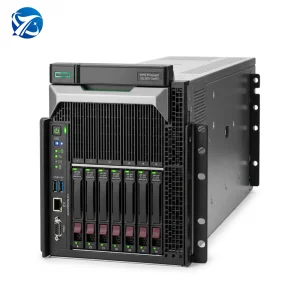
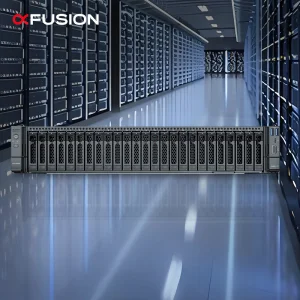
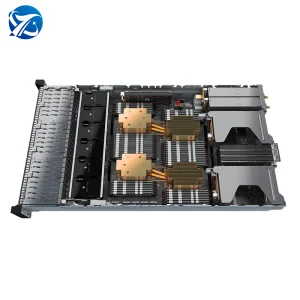
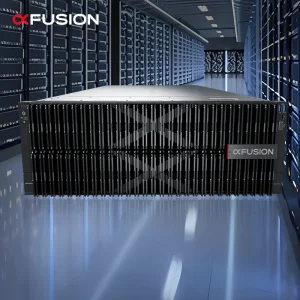
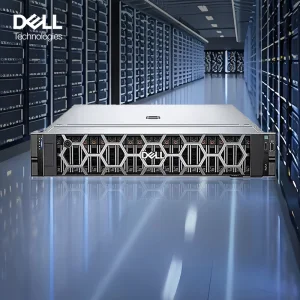
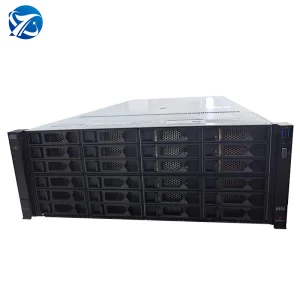
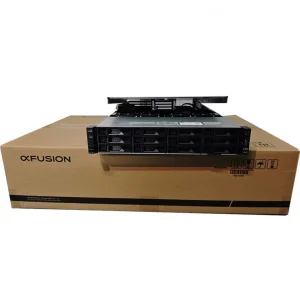
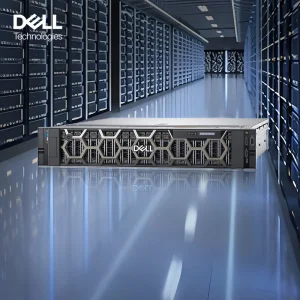
The enterprise storage landscape is undergoing a massive paradigm shift. As organizations rapidly scale up artificial intelligence (AI), machine learning (ML), and large language models (LLMs like DeepSeek), traditional database arrays are proving to be bottleneck choke points. Modern IT architectures demand solid-state storage solutions that deliver high IOPS, minimized latency, and absolute fault tolerance.
For procurement directors and system architects, identifying reliable SSD storage manufacturers and suppliers involves balancing raw component reliability with system-wide hardware integration. While commodity drives might suffice for standard desktop usage, enterprise data centers necessitate specialized features such as Power Loss Protection (PLP), high Drive Writes Per Day (DWPD) tolerances, and optimized thermal performance. The focus has decisively shifted from basic storage capacities to multi-dimensional performance metrics across NVMe PCIe Gen 4, Gen 5, and specialized read-intensive SATA topologies.
Founded in 2017, NexoraGPU is an industry-leading manufacturer specializing in high-performance GPU servers, AI computing systems, HPC clusters, and advanced storage server architectures.
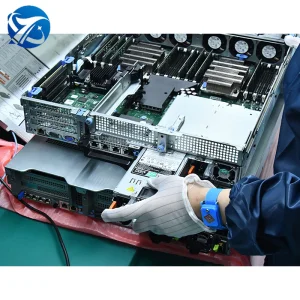
With an operational history built on 9 years of industry experience and 6 years of export dominance, NexoraGPU bridges the gap between raw SSD performance and complex rack-level integration. We operate a highly specialized modern production facility that spans 386㎡, functioning as a dedicated high-tech assembly and testing lab where complex, custom storage configurations are engineered and validated.
Our annual export revenue exceeds US$18 million, indicating our strong footprint across competitive markets in North America, Europe, Southeast Asia, the Middle East, and South America. Innovation is hardcoded into our operations, led by our in-house R&D department consisting of 128 experienced engineers. These professionals specialize in thermal layout designs, server mainboard architectures, and customized firmware optimizations.
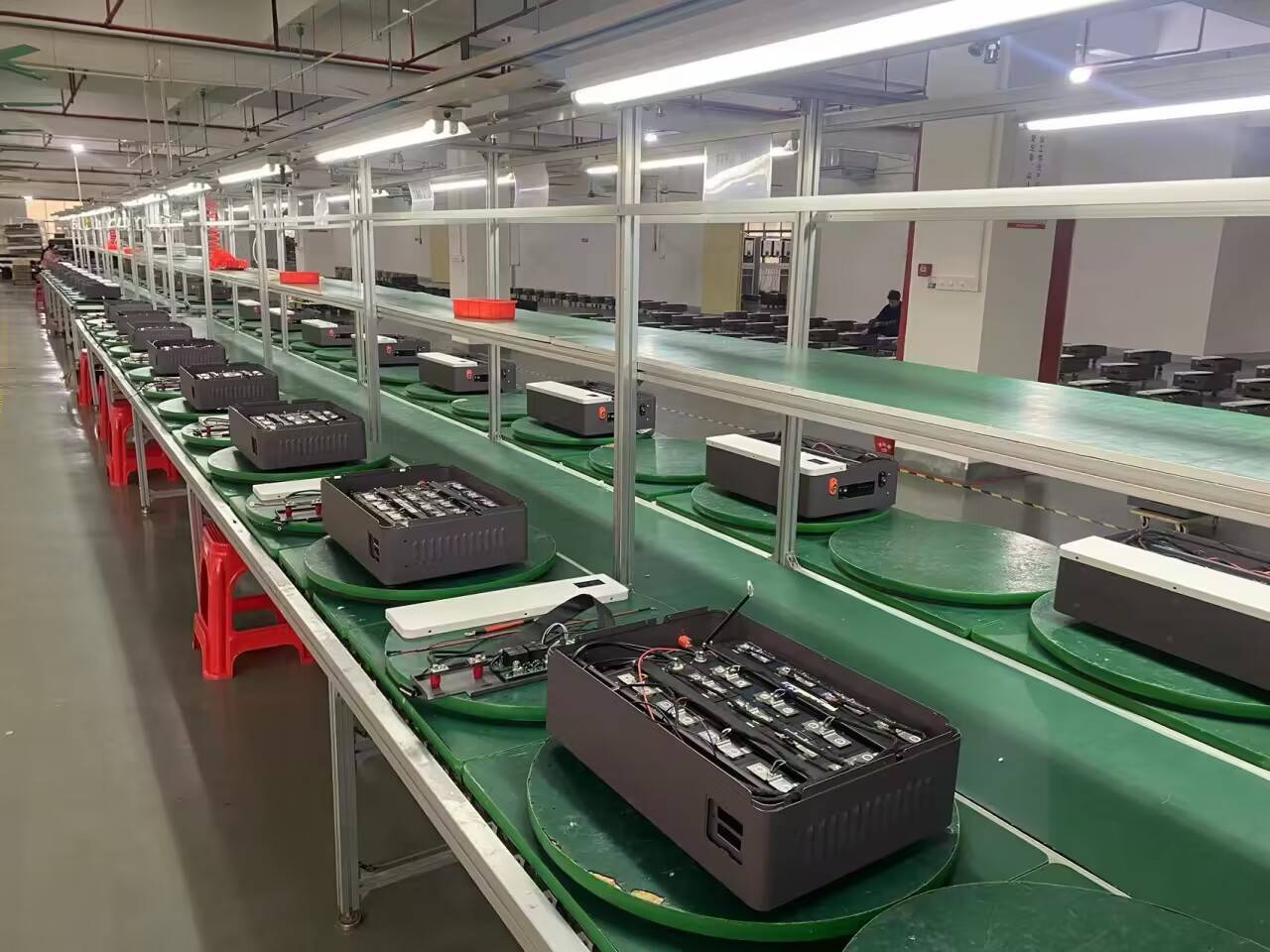

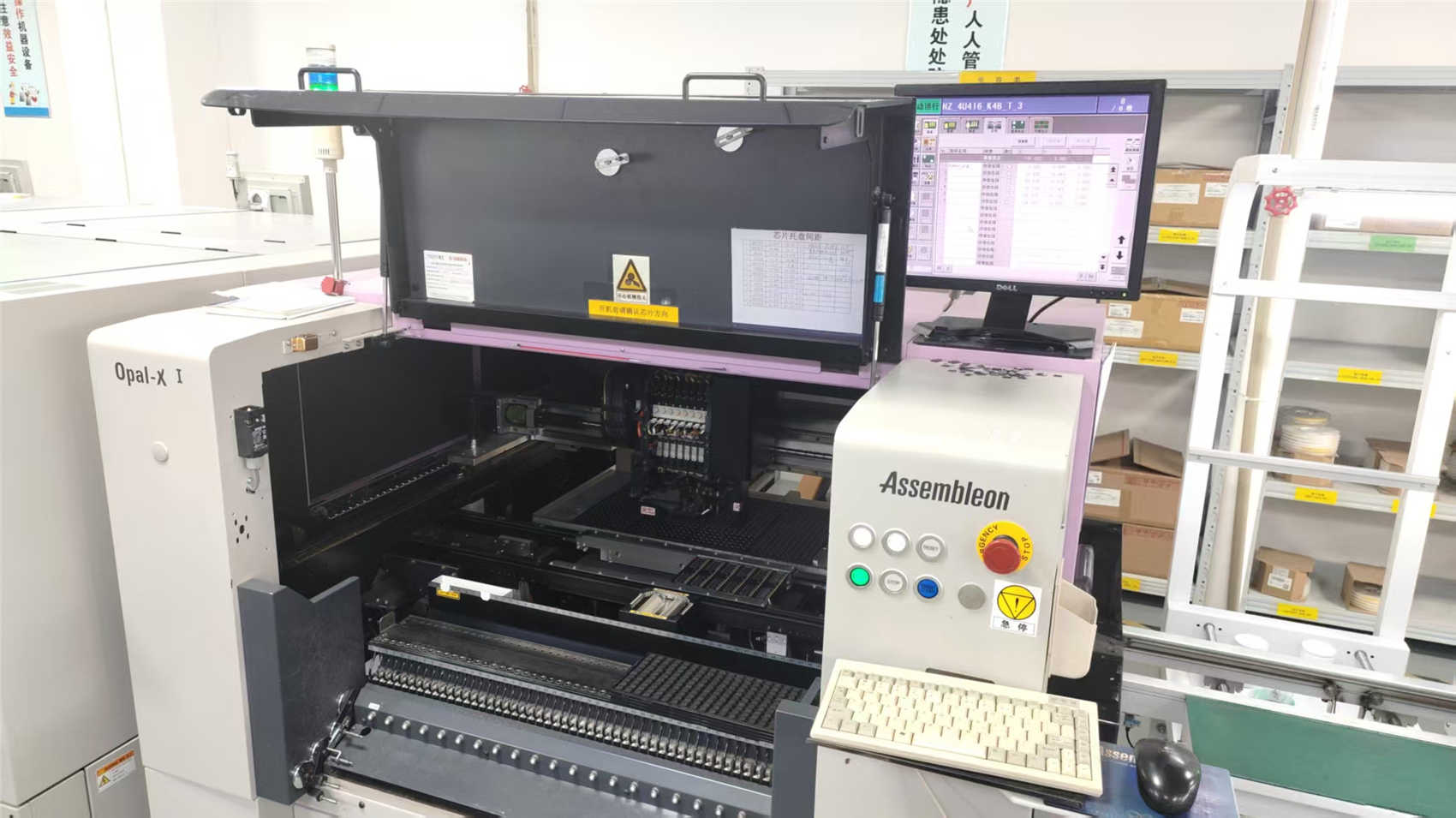
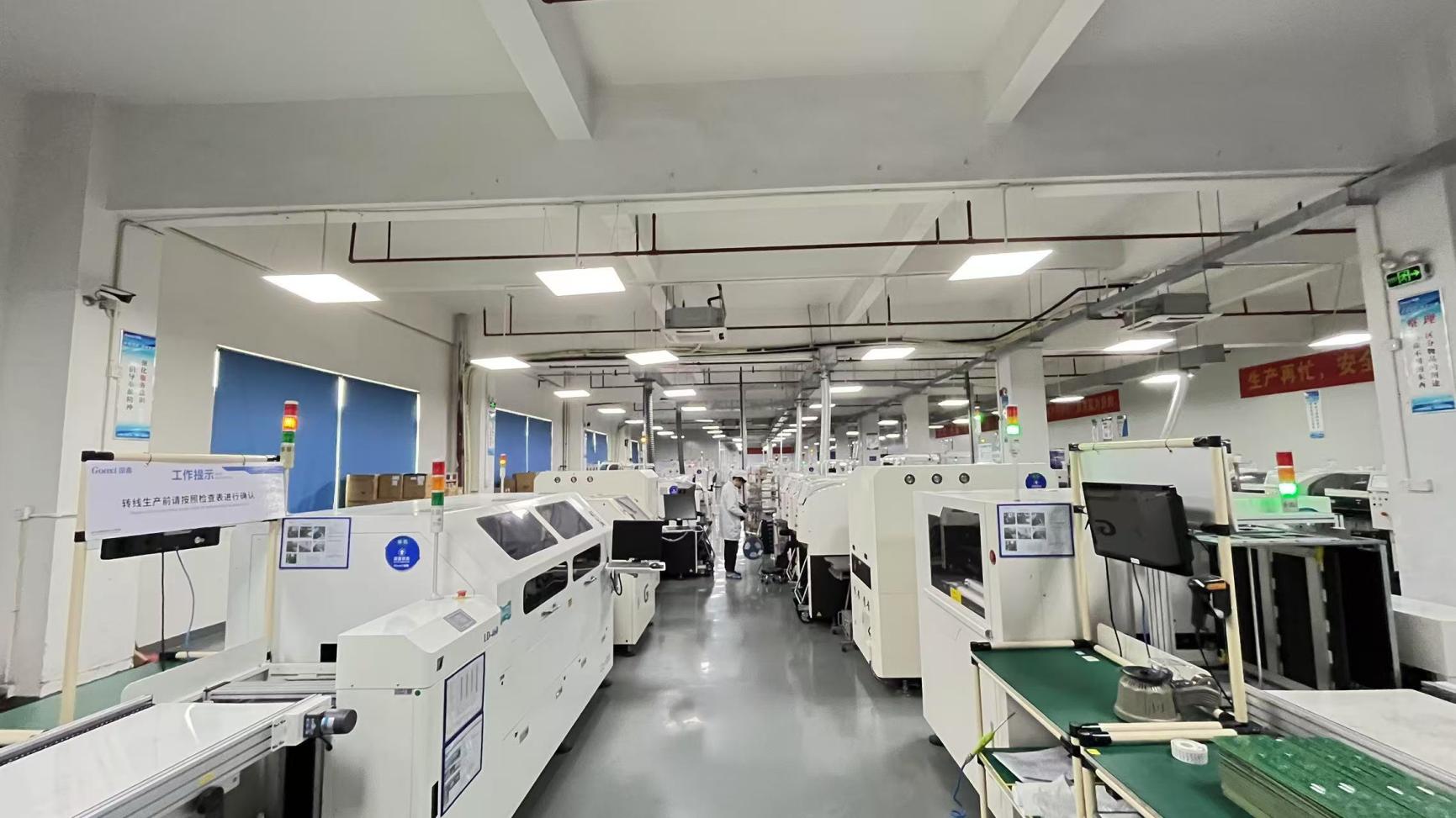
How NexoraGPU guarantees continuous uptime and reliability across high-density storage nodes.
Every single batch of solid-state drives and server nodes undergoes rigid testing protocols managed by a team of 42 QC professionals. Our workflow includes component validation, burn-in testing, thermal performance profiling under load, power stability checks, and system-level validation.
Leveraging a robust ecosystem of over 1,250 supply chain partners, NexoraGPU ensures consistent access to premium NAND flash memory chips, controller components, and bare server chassis, mitigating standard global procurement delays.
Demonstrating our R&D vitality, NexoraGPU successfully launched 86 new products last year alone. Our capability to rapidly scale designs from physical prototypes to massive commercial production ensures your architectures remain current with tech developments.
Understanding the micro and macro dynamics that position Shenzhen as the global epicenter for industrial computing hardware.
When sourcing enterprise-grade hardware, the geographical localization of manufacturers is key. The Shenzhen and broader Guangdong electronics clusters represent a highly concentrated ecosystem of component engineers, semiconductor testing facilities, and raw raw-material suppliers. This integration allows companies like NexoraGPU to optimize costs without sacrificing the premium quality standards demanded by foreign enterprises.
Rather than dealing with fragmented suppliers across multiple continents, international procurers benefit from a consolidated pipeline. NAND wafer packaging, controller assembly, firmware writing, and system validation happen in close physical proximity. This reduces lead times, allows for rapid iteration of customized drive controller firmware, and ensures compatibility with standard server architectures like xFusion FusionServer and Dell PowerEdge platforms.
How modern enterprise architectures deploy customized SSD storage topologies to meet vertical-specific workloads.
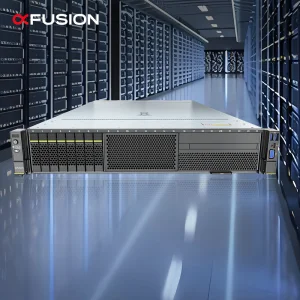
AI models require massive pools of structured data fed directly to GPU servers at high speeds. Deployments using NVMe Gen 5 SSDs ensure that GPU engines are not left idling waiting for data delivery. The integrated system architecture found in the xFusion 2U Rack Deepseek Cloud AI configurations relies on these high-throughput solid-state drives to maximize computational efficiency.
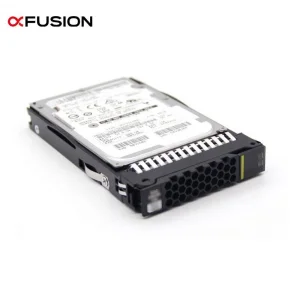
Modern data centers utilize virtualization to host hundreds of isolated environments on a single physical footprint. Solid-state arrays populated by enterprise drives (such as the PM893 series) ensure that boot storms and random disk operations do not cause latency spikes, maintaining uniform service level agreement (SLA) metrics across cloud instances.
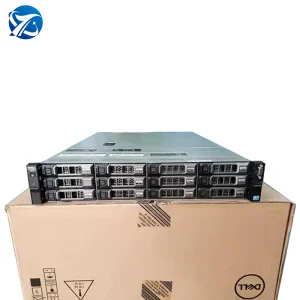
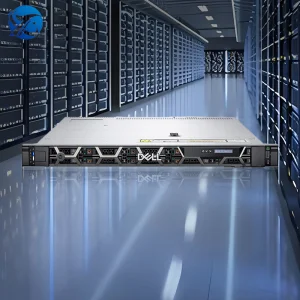
For large organizations handling sensitive telemetry data, on-premise Network Attached Storage (NAS) configurations act as the foundational secure repository. Combining enterprise SSD write-caching arrays with high-density server environments (such as the Dell PowerEdge R760XD2 series) creates balanced storage platforms that combine archival capacity with hot-tier speeds.
Ensure hardware reliability and financial optimization when selecting enterprise storage systems and servers.
Procurement teams often look primarily at capacity-per-dollar values, but in high-availability environments, this focus can lead to inflated Total Cost of Ownership (TCO). When choosing an SSD manufacturer or system integrator, consider these standard parameters:
Define your workload pattern: Is it 90% read and 10% write, or a balanced 50/50 mix? Selecting a drive designed for read-heavy operations, such as the PM893 series, for a write-intensive database will result in premature drive failure. Always verify the rated DWPD (Drive Writes Per Day) and TBW (Terabytes Written) metrics.
Enterprise SSDs must include capacitors designed to provide backup power during sudden outages. This backup allows the SSD controller to flush write buffers from fast volatile DRAM into permanent non-volatile NAND cells, protecting your data from corruption.
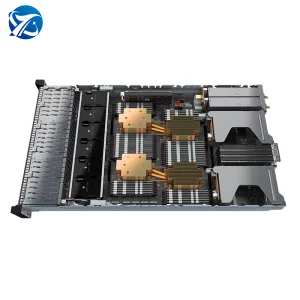
In high-density 1U or 2U configurations (like the xFusion 2488H V7 or Dell R660XS), thermal throttling can degrade performance. Select manufacturers who optimize their storage nodes with custom server chassis, dynamic fan control curves, and optimized heatsinks to prevent performance drops during peak workloads.
A frequent issue in corporate purchasing is component substitutions without part number updates. Partners like NexoraGPU guarantee configuration consistency, ensuring that long-term deployments receive identical NAND controllers, flash layers, and firmware revisions for easy maintenance.
Maximize computing throughput with our extended portfolio of enterprise hardware solutions.
Direct answers from engineers to help guide your purchasing decisions.