NexoraGPU
NexoraGPU
NexoraGPU
Deploy fully integrated bare-metal servers engineered with robust IPMI 2.0 and native Redfish APIs for unified out-of-band management operations.

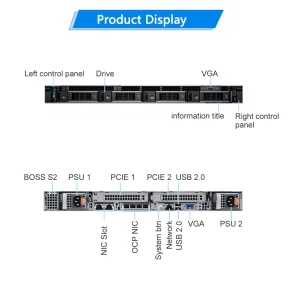
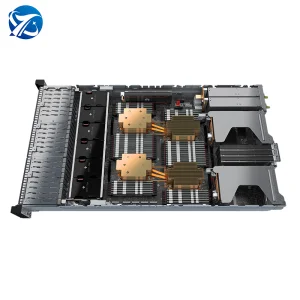
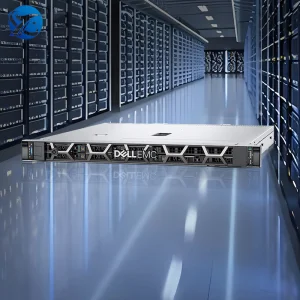


The global digital landscape is undergoing an unprecedented architectural transformation. Driven by artificial intelligence (AI), machine learning (ML), high-performance computing (HPC), and hyper-scale edge deployments, physical access to hardware has become structurally and operationally obsolete. Today, remote management technology is the baseline foundation for securing, provisioning, and maintaining remote server infrastructure across dispersed geographic locations.
Historically, remote server interfaces were limited to basic Baseboard Management Controllers (BMCs) providing minimal status reports via the Intelligent Platform Management Interface (IPMI 1.5/2.0) protocol. Modern enterprise workloads demand far greater capability. Standard protocols are giving way to advanced out-of-band management ecosystems based on the RESTful Redfish API schema. This permits DevOps teams to programmatically interact with remote systems using standardized JSON payloads. Modern implementations allow administrators to automate boot sequences, configure secure RAID volumes, modify BIOS/UEFI settings, update system firmware, and monitor internal temperature configurations dynamically, entirely independent of the host operating system state.
Traditional command-line systems are replaced by robust JSON/REST API structures. This enables full integration with modern orchestration suites such as Ansible, Terraform, and Kubernetes-based bare-metal provisioners.
With rising cyber-security threats targeting firmware vulnerabilities, out-of-band remote control systems require hardware-rooted secure boot procedures, cryptography-backed firmware signing, and active intrusion logs.
Leveraging telemetry data gathered through sensors embedded on remote management modules, deep learning systems analyze voltage anomalies, fan fluctuations, and thermal thresholds to preempt system failures.
Global B2B procurement leaders, systems integrators, and infrastructure directors require more than basic hardware capabilities. For remote server architectures, vendor selection must align with strict reliability metrics, compliance regimes, and architectural flexibilities:
| Procurement Pillar | Technical Expectation | Enterprise Application Impact |
|---|---|---|
| Hardware Interoperability | Full adherence to IPMI 2.0, Redfish API, and SNMP v3 standards. Support for OpenBMC core architectures. | Prevents single-vendor lock-in. Permits cross-platform integration within mixed server clusters. |
| Granular Access & KVM | HTML5-based Virtual Console (KVM-over-IP) with multi-user access, virtual media redirection (ISO mount), and virtual power button controls. | Minimizes data center site visits. Restores frozen hypervisors or upgrades operating systems remotely. |
| Advanced Security & Cryptography | FIPS 140-2 certified cryptographic engines, TLS 1.3 encryption, secure Syslog forwarding, and MFA support. | Protects out-of-band management planes from internal and external threat actors. |
| Thermal & Power Optimization | Real-time tracking of PSU efficiency, dynamic power capping, and individual fan velocity curves. | Lowers localized PUE (Power Usage Effectiveness) and controls active operating costs (OpEx). |
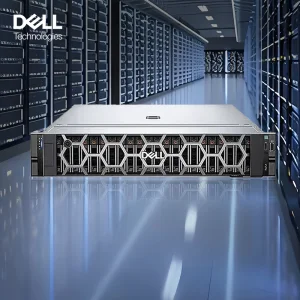
To meet these rigorous industry expectations, Nexora Intelligent Technology Co., Ltd. (NexoraGPU) has engineered custom out-of-band server firmware options. These configurations provide robust KVM-over-IP controls, active system event monitoring, and seamless compatibility with standard server modules including Huawei FusionServer iBMC, Dell iDRAC9, and xFusion system control setups.
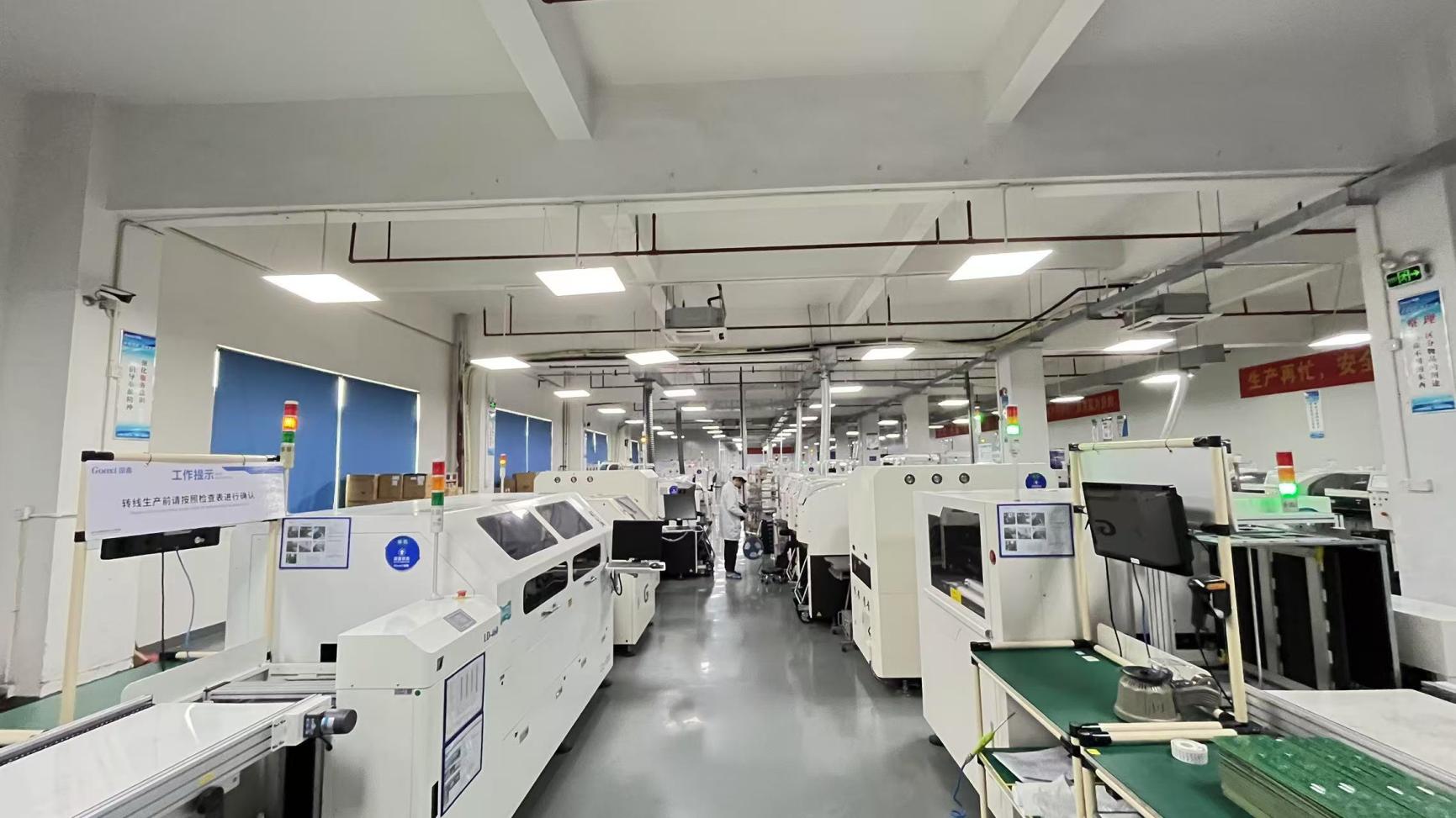
As global supply networks face geopolitical pressures and material shortages, sourcing remote management equipment and server computing nodes from China offers structural benefits that are difficult to replicate elsewhere. The concept of China Industry 4.0 is represented by deep integration between component design, fabrication, final assembly, and strict testing.
1. Complete Industrial Clusters: The proximity of raw materials, silicon fabricators, PCB assembly lines, and structural chassis manufacturing hubs allows for rapid prototyping cycles. What takes weeks in other regions can be completed in days within the Shenzhen and Guangdong high-tech corridors.
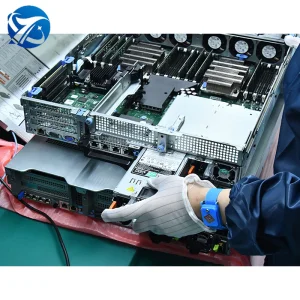
2. Advanced QC Automated Pipelines: NexoraGPU employs 42 specialized quality control personnel operating advanced automated optical inspection (AOI), x-ray structural analysis, and prolonged thermal aging rooms. Every component undergoes rigorous functional tests, dynamic benchmarking, and network load simulation before packaging.
3. Supplier Network Integration: Supported by a robust network of more than 1,250 supply chain partners, NexoraGPU ensures consistent component sourcing (such as stable BMC chipsets, memory modules, high-frequency PCB substrates, and redundant power units) even during periods of global semiconductor volatility.
Established in 2017, Nexora Intelligent Technology Co., Ltd. (operating globally under the premier brand NexoraGPU) has established itself as an innovative force in high-performance computing, remote management architectures, AI acceleration hardware, and storage system deployments.
With 9 years of deep industry experience and 6 years of successful export operations, NexoraGPU delivers custom infrastructure solutions to AI research labs, universities, enterprise cloud providers, and global system integrators. Our annual export revenue now exceeds US$18 million, highlighting our status as a trusted, reliable partner across North America, Europe, the Middle East, and Asia-Pacific.
Our core competency lies in our dedicated internal R&D department. Composed of 128 expert engineers specialized in thermal dissipation mechanics, firmware engineering (OpenBMC & secure UEFI architectures), electrical signal integrity, and hardware-accelerated layouts, we design platforms optimized for continuous operational environments. In the last fiscal year alone, our engineering division launched 86 new products, ensuring our clients access the latest advancements in server design.
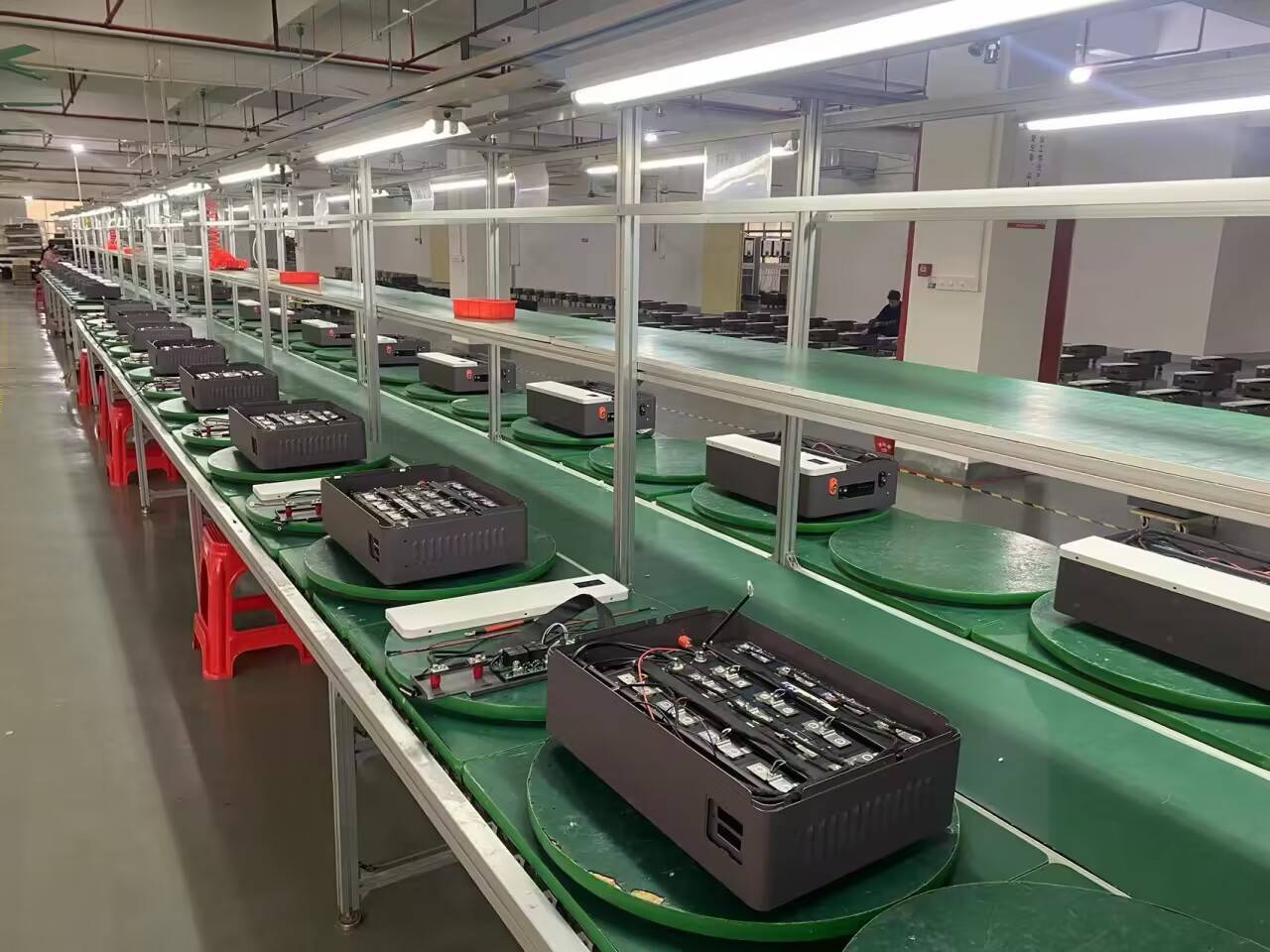

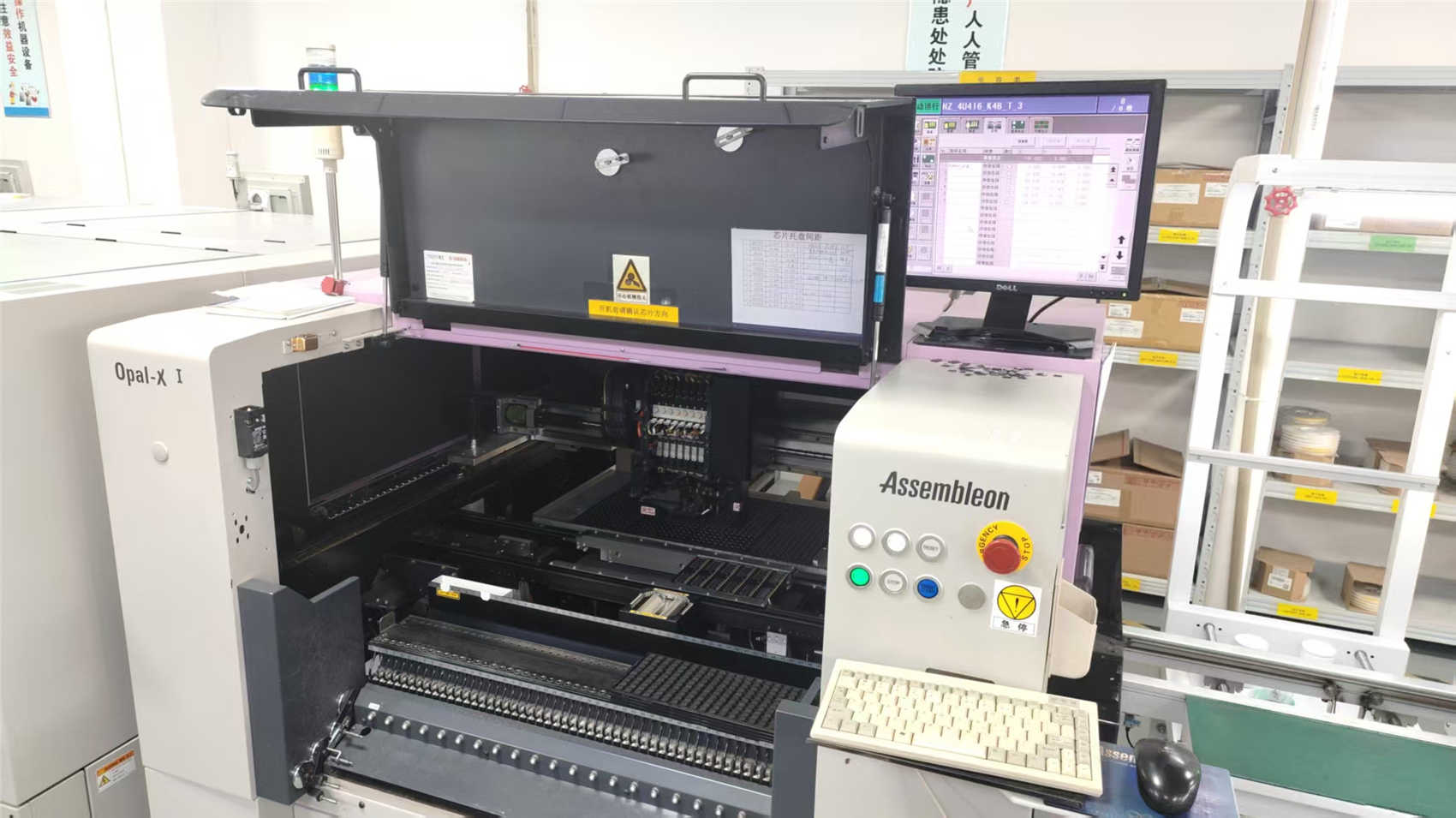
Remote server management plays a key role across various industrial sectors. Our custom platform architectures are engineered to address specific requirements in these target domains:
Deployed in remote telecommunication towers, wind farms, or maritime vessels. Remote out-of-band management allows engineering teams to perform cold restarts, update microcode, and recover from software hangs without sending technicians to remote sites.
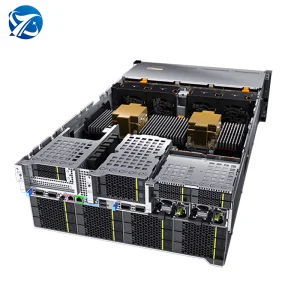
For AI model training nodes (such as DeepSeek and other large language models). Dynamic power capping and granular thermal monitoring prevent GPUs from overheating, optimizing active cooling cycles across 4U/8U configurations.
Secured via custom firmware configurations with dedicated hardware security modules (TPM 2.0) and encrypted out-of-band communication lanes. This keeps administrative traffic isolated from standard user-facing network pathways.
IPMI 2.0 is a legacy protocol that relies on binary data packets sent via UDP/IP, which can be difficult to scale and secure. Redfish API is a modern industry standard that uses RESTful interfaces and JSON formats over HTTPS. Redfish makes it easier to manage multi-vendor infrastructure, automate tasks with DevOps scripts, and secure out-of-band operations using modern encryption standards.
NexoraGPU integrates a hardware-based Silicon Root of Trust on the server mainboard. All BMC firmware images must be cryptographically signed by authorized keys before installation. Our management interfaces support TLS 1.3 encryption, IP filtering, access-control lists (ACLs), LDAP/Active Directory authentication, and event logging to protect management interfaces from unauthorized access.
Yes. Our server architectures (such as the FusionServer and xFusion series) are designed to be compatible with major industry-standard systems. Our custom platforms support OpenBMC and integrate with Huawei iBMC, Dell iDRAC, or xFusion iBMC environments, allowing them to fit into your existing datacenter monitoring tools.
We provide end-to-end design and manufacturing options, including customized chassis sizing, cooling layouts (liquid cooling, high-performance fans), specific GPU/storage configurations, custom UEFI BIOS settings, custom-branded BMC interfaces, and pre-integrated rack deployments.
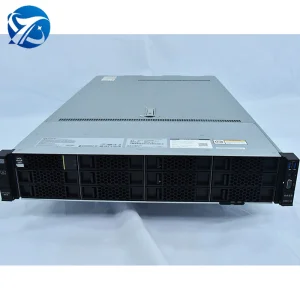
Explore our high-density GPU accelerators, scalable storage servers, and enterprise rackmount architectures featuring optimized out-of-band remote administration.