NexoraGPU
NexoraGPU
NexoraGPU
Enterprise infrastructure hardware powering high-availability thin client network architectures, server virtualization pools, and GPU-driven thin-endpoint clusters.
Analyzing supply chain concentration, raw material sourcing, chipset selection, and custom PCB assembly optimization for industrial and commercial cloud nodes.
In modern enterprise IT environments, the centralized control of computing assets has transitioned from a structural preference to an operational absolute. As organizations seek to minimize local vulnerabilities, enforce compliance, and optimize hardware lifecycle expenditure, the demand for high-reliability Thin Clients has surged. Sourcing thin clients from expert Chinese factories provides a critical bridge between custom engineering, localized assembly, and global logistical readiness.
These dedicated thin endpoints function as streamlined access terminals, communicating with backend host hypervisors, cloud databases, and AI-driven server networks via remote display protocols such as Microsoft Remote Desktop Services (RDS), Citrix HDX, VMware Horizon Blast Extreme, and PCoIP. By relocating processing dependencies from local desktop terminals to robust rack-mount servers—including high-performance dual-socket systems and GPU-accelerated computing nodes—thin clients slash the endpoint attack surface while slashing energy footprints from 150-250W per desk down to less than 15W.
From an engineering standpoint, Chinese thin client manufacturers excel at building compact, fanless architectures. These hardware platforms are typically built on optimized, energy-efficient x86 (e.g., Intel Alder Lake-N, Elkhart Lake) or ARM-based System-on-Chips (SoCs) (such as Rockchip, Allwinner, or MediaTek processors). Choosing the correct chipset architecture is vital: x86 architectures guarantee legacy application support and Native Windows IoT execution, while ARM architectures offer unmatched power envelope profiles and extreme cost efficiency for dedicated Linux/Android virtualization environments.
Information Gain Insight: Modern thin client deployments are no longer passive. Top manufacturers are integrating hardware-based cryptography (TPM 2.0 / TCM modules) directly into the SoC design. This ensures secure boot capabilities, verifying that only signed firmware executes, preventing local operating system tampering.
China's global dominance in the thin client manufacturing space is underpinned by massive ecosystem concentration. The primary electronic manufacturing clusters in the Pearl River Delta (Shenzhen, Dongguan, Guangzhou) provide immediate, frictionless access to component vendors, precision injection mold factories, PCB fabricators, and specialized assembly testing labs.
This localization of the entire supply chain dramatically minimizes lead times for structural modifications, cooling solution tests, and port configuration customizations (e.g., integration of legacy RS-232 COM ports, dual DisplayPorts, or fiber-optic SFP interfaces). For global procurement executives, partnering directly with an OEM/ODM supplier in these hubs translates to rapid prototyping phases and flexible production scaling that matches fluctuating global IT hardware demands.
Empowering Next-Generation Enterprise Computing, AI Backend Infrastructure, and Custom VDI Implementations Globally.
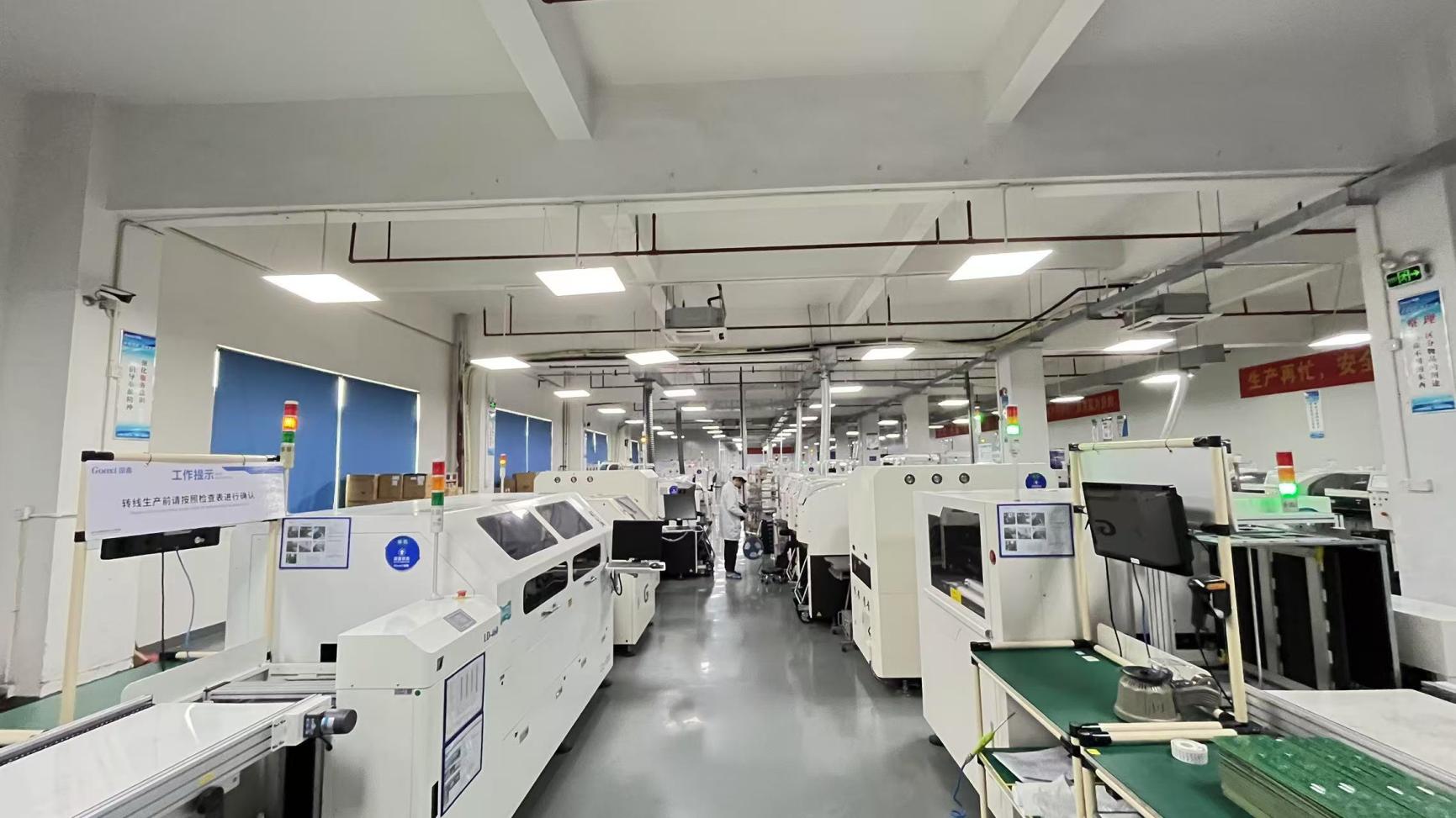
Under the core brand NexoraGPU, Nexora Intelligent Technology Co., Ltd. has established itself as an authoritative manufacturer specializing in high-performance computing clusters, customized data center infrastructures, server virtualization, and AI computing hardware platforms. Operating from a highly specialized, state-of-the-art facility spanning 386m² of testing and optimization laboratories, Nexora delivers highly reliable hardware platforms to enterprise datacenters, research laboratories, educational networks, and financial institutions worldwide.
Leveraging 9 years of industry experience and 6 years of specialized international export experience, the company maintains a massive supply ecosystem supported by over 1,250 verified partners. This vast network allows Nexora to source components with unmatched speed and reliability, mitigating supply chain disruptions and ensuring cost efficiency. Quality control is spearheaded by 42 professional quality inspection personnel. Every node and computing system must undergo an exhaustive validation regimen, including thermal profiling, component compatibility checks, power-frequency tolerance evaluation, and a comprehensive final performance burn-in phase before shipment.
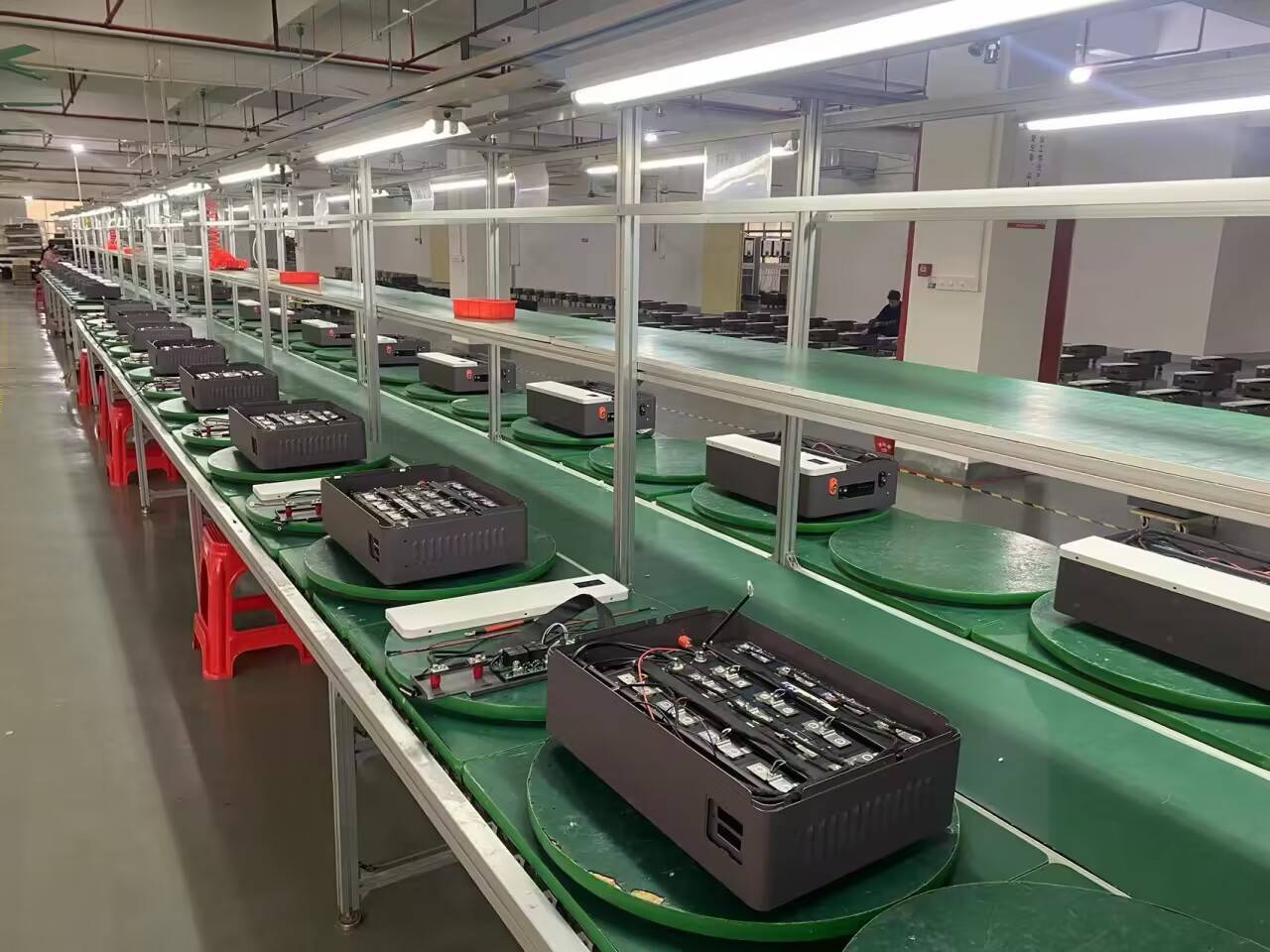

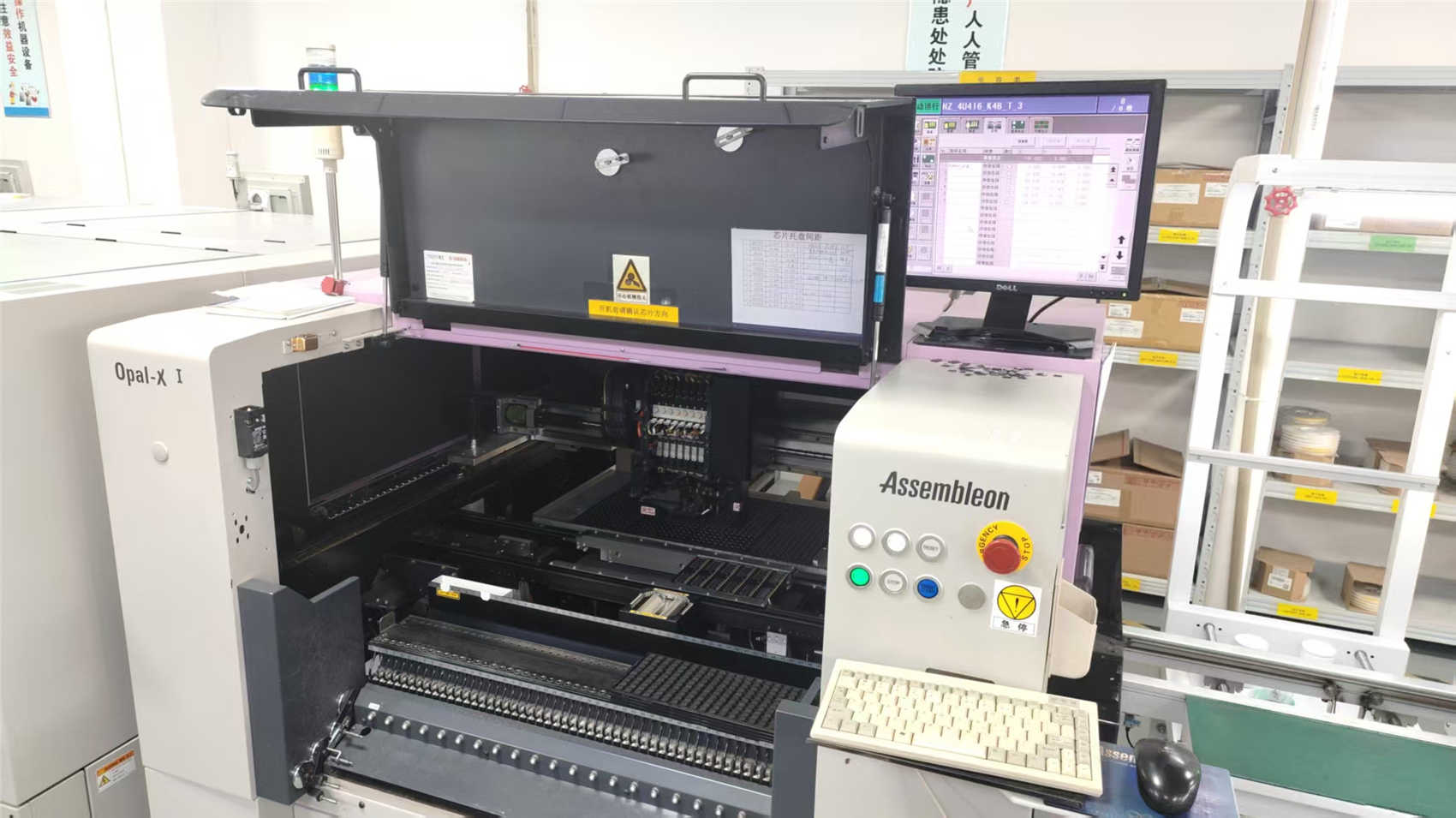
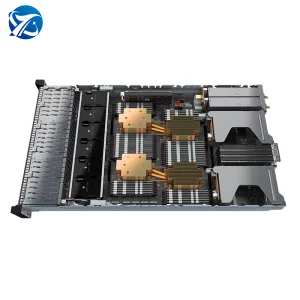
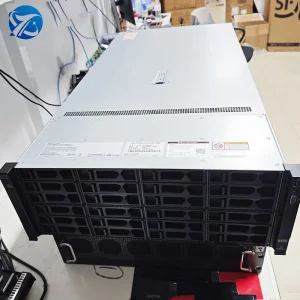
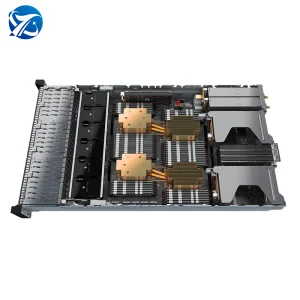
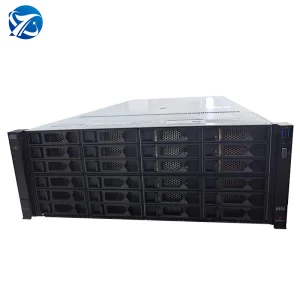
With a dedicated team of 128 expert engineers, Nexora has introduced 86 new products in the past year alone. Crucially, in a thin client environment, the client endpoints are fundamentally reliant on backend server performance. By designing and manufacturing both high-density host platforms (including 2U dual-socket servers, 4U clusters, and AI-optimized GPU nodes running Deepseek and Llama-based local applications) and coordinating with endpoint builders, Nexora establishes a balanced, high-efficiency ecosystem. This end-to-end perspective allows global purchasers to secure hardware configurations that are optimized for minimal latency, high-density VM hosting, and maximum data security.
Choosing the optimal processor architecture and protocol engine based on hardware acceleration, power constraints, and OS compatibility.
Architectural decisions represent the fork in the road for IT administrators selecting thin client hardware. Modern Chinese suppliers supply systems in two distinct paradigms: x86 microarchitectures and ARM SoCs. Both architectures address different operation cost profiles, software environments, and compute targets.
| Feature / Parameter | x86 Thin Client Architecture | ARM Thin Client Architecture |
|---|---|---|
| Processor Options | Intel Celeron, Alder Lake-N, Intel Core, AMD Ryzen Embedded | Rockchip RK3568/RK3588, Allwinner, MediaTek MTK series |
| Power Envelope (TDP) | 6W - 15W typical (Requires passive/active cooling structures) | 2W - 5W typical (Fanless cooling design, high heat tolerance) |
| Local Operating Systems | Windows 10 IoT Enterprise, Windows 11 IoT, Custom Linux (Ubuntu, ThinOS) | Custom Android OS, Linux distributions (Debian, Armbian) |
| Virtualization Protocols | Native Citrix Workspace, VMware Horizon, Microsoft AVD, Parallels, RDP | Optimized Linux Client clients, Web-based HTML5 VDI portals |
| Multi-Monitor Execution | Up to 3x 4K displays @ 60Hz via DisplayPort/HDMI | 1x or 2x 1080p/4K displays depending on SoC capabilities |
| Unit Cost Ratio | Medium to High (License overhead + silicon complexity) | Low to Ultra-Low (Highly competitive hardware manufacturing costs) |
A common point of failure in large thin client deployments is lag during video playback or high-resolution display updates. This is directly tied to the client's ability to decode incoming stream packets (H.264, H.265/HEVC, and AV1 codecs) at the hardware level.
Experienced manufacturers integrate dedicated GPU block-decoding engines inside the SoC. For instance, an x86 thin client leveraging Intel UHD Graphics can process dual H.265 streams with negligible CPU overhead, keeping the unit cool and operational. For ARM architectures, custom API wrappers are written to expose the chip’s VPU (Video Processing Unit) directly to virtualization apps like VMware Horizon or Citrix Workspace, bypassing the slower CPU cores and guaranteeing sub-15ms rendering latency.
Navigating customization options, BIOS-level integration, lifecycle planning, and strict quality control standards.
Modify port configurations (DisplayPort, VGA, USB-C Power Delivery), chassis dimensions, power button placement, and corporate logo screen integration.
Ensure boot safety by customizing BIOS parameters, locking USB storage access, setting up Auto-On power states, and flashing customized Linux-based ThinOS images.
100% functional, burn-in, thermal stability, and aging tests conducted by dedicated QC auditors (such as Nexora’s 42-inspector team) prior to export.
Leveraging vast component ecosystems of 1,250+ partners to secure component availability, stabilizing prices during volatile market conditions.
Full CE, FCC, RoHS, Energy Star, and custom certifications, ensuring regulatory clearances across European, North American, and Asian custom borders.
Guaranteed supply continuity of 5-7 years on selected industrial chipsets, avoiding recurring software adaptation or chassis redesign fees.
When scaling thin client deployments across multi-site office setups or industrial zones, procurement managers look past the simple per-unit cost. The real metric is the Total Cost of Ownership (TCO), which is heavily dependent on MTBF (Mean Time Between Failures) and hardware longevity. By constructing thin clients with industrial-grade solid-state capacitors and rugged alloy frames, factories minimize local component failures. Additionally, custom packaging solutions can be arranged to pack devices with pre-labeled asset tags, dramatically reducing local installation workloads.
How modern thin clients integrate with high-density GPU virtualization pools in healthcare, education, smart factories, and banking environments.
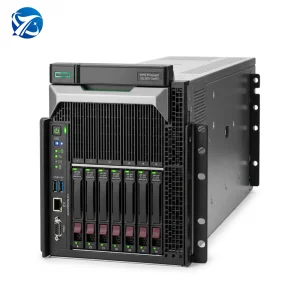
On factory floors, atmospheric hazards like dust, high heat, and vibration are lethal to traditional consumer PCs. China's top thin client manufacturers resolve this by designing fanless IP50-rated chassis featuring heavy aluminum heat sinks and wide-temperature-range storage. Connected to backend virtualization servers like the xFusion FusionServer 2288H V7 or HPE ProLiant DL380 Gen12, operators run plant monitoring dashboards and SCADA terminals from small, mounting-bracketed client units. Because the clients store no local configurations, if a unit suffers mechanical damage, a technician can hot-swap the device within minutes, restoring operations without data loss or configuration downtime.
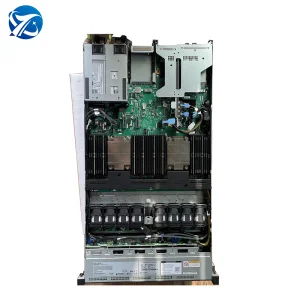
Healthcare organizations operate under severe regulatory compliance frameworks regarding patient data privacy. Thin clients act as simple display portals with zero physical disk storage. Doctors and nurses authenticate their active virtual sessions using smart card readers or RFID scanners integrated into the thin client's USB ports. The virtualization hosts (such as the high-capacity Dell PowerEdge R760/R750 or xFusion 2488H V6) manage the sessions centrally in a secure server room, ensuring that patient records never reside on local endpoints.
Educational computer labs and enterprise call centers require standardized software layouts and rapid user reset cycles. Using thin client architectures, system admins can update a single gold OS image on the virtual host server and deploy it to hundreds of local thin client terminals. This workflow reduces software maintenance overheads by up to 90%, freeing IT administrators from manually updating individual client operating systems.
Addressing the core technical, logistical, and architectural inquiries of global hardware procurement managers.
Ensure backend virtualization, high-speed storage, and AI processing power with our advanced hardware components and systems.