NexoraGPU
NexoraGPU
NexoraGPU
Explore our leading catalog of GPU servers, storage modules, and accelerator systems engineered for hyperscale deployments.
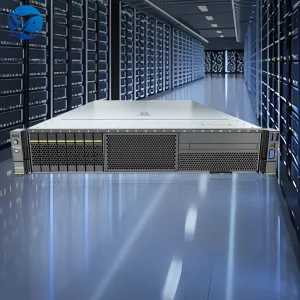
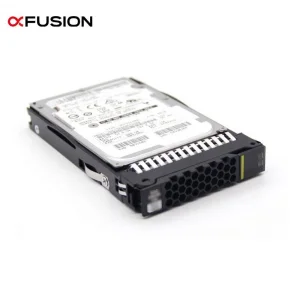
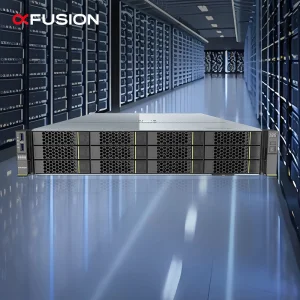
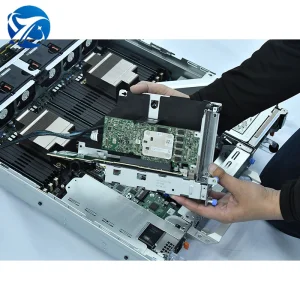
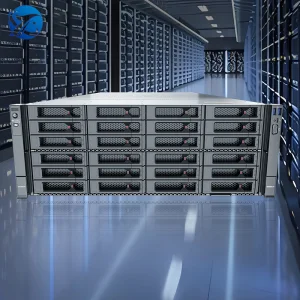
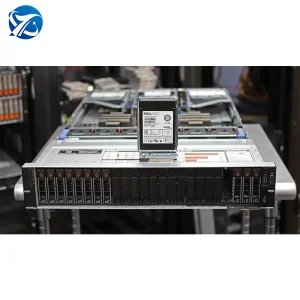
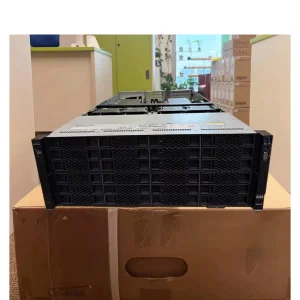
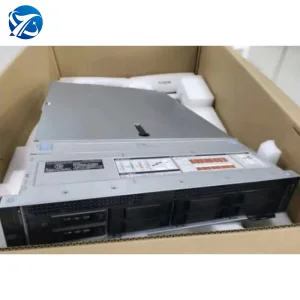
The global demand for High-Performance Computing (HPC) and GPU-accelerated computing has entered an era of exponential acceleration. Driven by generative AI training paradigms, structural biology modeling, molecular dynamics simulations, and decentralized cloud services, compute infrastructure is no longer just an IT cost center. It has transitioned into a core driver of modern industrial competence.
Hyperscalers, research labs, and sovereign AI entities are actively restructuring their computational hardware supply chains. The deployment of complex systems like the DeepSeek R1 model series requires massive clusters that operate with high thermal efficiency and absolute data integrity. Standard commercial server chassis fail under continuous, extreme computational loads. This dynamic shift necessitates customized thermal architecture, high-power-density power supplies, and specialized system integration that only advanced, specialized factories can deliver.
Global enterprises face significant bottlenecks: hardware lead times, power-grid limitations, and cooling inefficiencies. Advanced cooling techniques, optimized power distribution, and low-latency storage access are critical benchmarks for enterprise infrastructure buyers.
Analyze the systemic efficiencies and integrated supply chains that position Chinese manufacturing at the forefront of the global computing infrastructure.
Proximity to component manufacturers is a major advantage. Chinese HPC manufacturing clusters in Shenzhen and Guangdong enable rapid sourcing of multilayer high-frequency PCBs, CRPS (Common Redundant Power Supplies), premium system chassis, and cooling manifolds, reducing average component transit time to hours rather than weeks.
Traditional hardware development has long engineering cycles. China's top-tier server factories run optimized R&D pipelines. Dedicated engineering teams can convert schematic diagrams to physical multi-GPU compute node enclosures, complete with custom thermal simulations, within tight development timelines.
High production throughput does not mean lower quality control. Top factories implement structured system-level inspections, including dynamic burn-in testing, mechanical vibration profiling, thermal envelope verification, and specialized memory diagnosis, ensuring high field reliability.
Founded in 2017, Nexora Intelligent Technology Co., Ltd. (Brand: NexoraGPU) is a specialized manufacturer of high-performance GPU servers, AI computing systems, HPC clusters, storage servers, and customized data center infrastructure solutions. Operating from a modern production facility covering 386㎡, we design, build, and optimize hardware configurations to support complex enterprise and scientific workloads.
Leveraging 9 years of industry experience and 6 years of export experience, NexoraGPU provides scalable compute platforms to global markets. Our annual export revenue exceeds US$18 million, serving customers across North America, Europe, Southeast Asia, the Middle East, and South America.
Our quality verification processes are built to ensure reliability in high-uptime enterprise environments:
1. Incoming Material Inspection (IQC): 100% verification of storage controllers, high-speed riser cables, memory modules, and high-frequency PCBs.
2. High-Stress Burn-In: Dynamic burn-in under thermal loads at 40°C ambient temperatures for 24 to 72 hours, using synthetic test patterns to detect early component failures.
3. Structural and Signal Verification: High-bandwidth digital testing to ensure PCIe Gen5 signal integrity and verify interconnect efficiency across the storage and accelerator planes.
How specialized high-performance computing platforms meet modern performance requirements in key application areas.
Large language models like DeepSeek require high interconnect bandwidth and optimized GPU layouts to handle large parameter tables without latency penalties. Custom rack configurations optimize trace layouts to minimize data transfer bottlenecks between host systems and accelerators.
Modern service architectures require close proximity between data storage and compute layers. Integrating redundant storage interfaces (such as PM893 SSD drives) with multi-socket Intel Xeon or AMD EPYC platforms ensures high data throughput for local databases and high-traffic cloud applications.
From molecular dynamic simulations to weather forecasting models, high-performance computing clusters process immense datasets in parallel. Systems built with active cooling structures and balanced server board architectures prevent thermal throttling during long-duration runs.
A look at the structural innovations, connectivity standards, and thermal management technologies shaping the next generation of computing platforms.
As standard chip TDP levels rise toward 1000W, traditional air cooling is reaching its physical limits. Next-generation data center configurations are moving toward direct-to-chip liquid cold plates and closed-loop liquid delivery manifolds, helping systems run with lower power overhead.
Modern applications require fast access to large amounts of memory. Incorporating CXL (Compute Express Link) protocols and PCIe Gen 5 routing helps systems access expanded memory pools with low latency, reducing data bottlenecks for processing large-scale models.
Adapting systems to OCP (Open Compute Project) form factors, bus bar power distribution, and modular architectures simplifies hardware deployment. Standardized designs make maintenance easier and streamline upgrades for large-scale enterprise deployments.
Crucial factors for international buyers when sourcing server hardware and computing nodes.
Sourcing computing hardware internationally requires balancing technical specifications with regulatory compliance, warranty programs, and shipment safety. Buyers should evaluate key factors to ensure smooth integration:
Hardware deployments often require customized specifications. Ensure the manufacturing partner can handle custom motherboard firmware configurations, custom IPMI profiles, and tailored expansion cards at the factory stage.
All imported units must carry appropriate regional certifications (such as CE, FCC, RoHS, and UL marks) to prevent custom clearance delays and ensure compliance with local electrical safety regulations.
HPC systems and servers contain heavy components and sensitive electronics. Shipping protocols should utilize robust, customized packaging, moisture barriers, and shock-monitoring sensors to protect systems during transit.
A look at the assembly lines, validation facilities, and testing environments inside our production facilities.
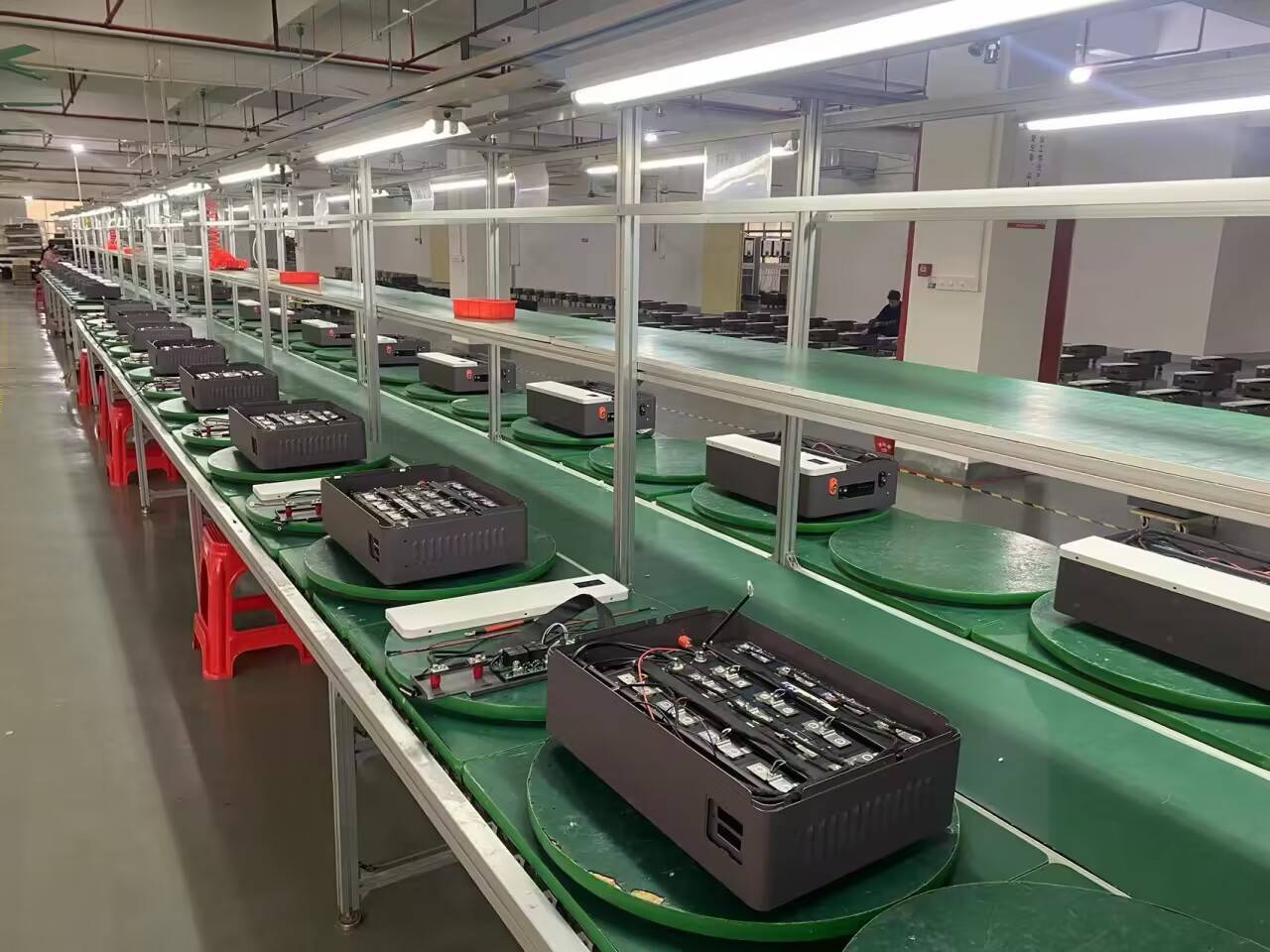

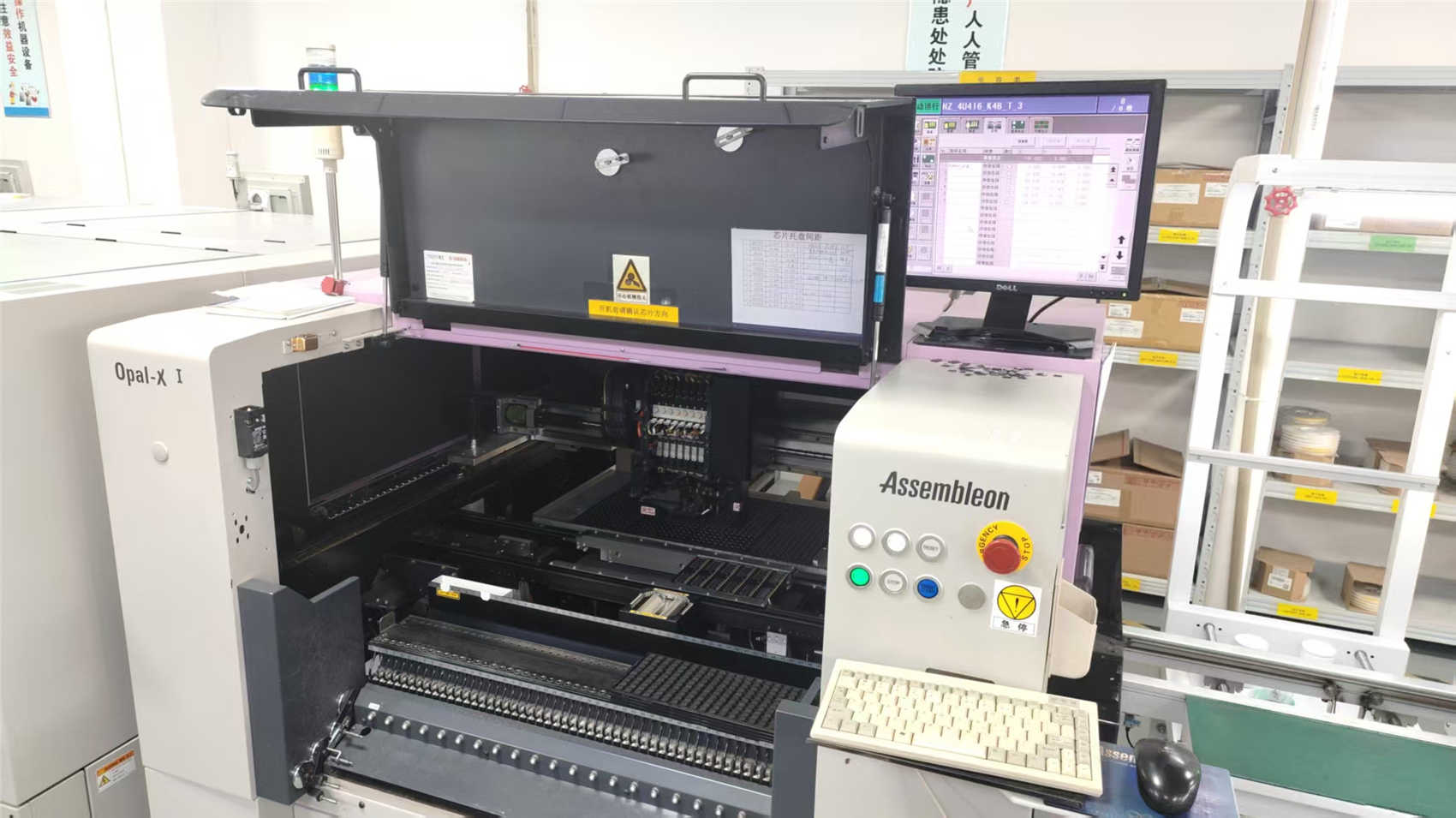
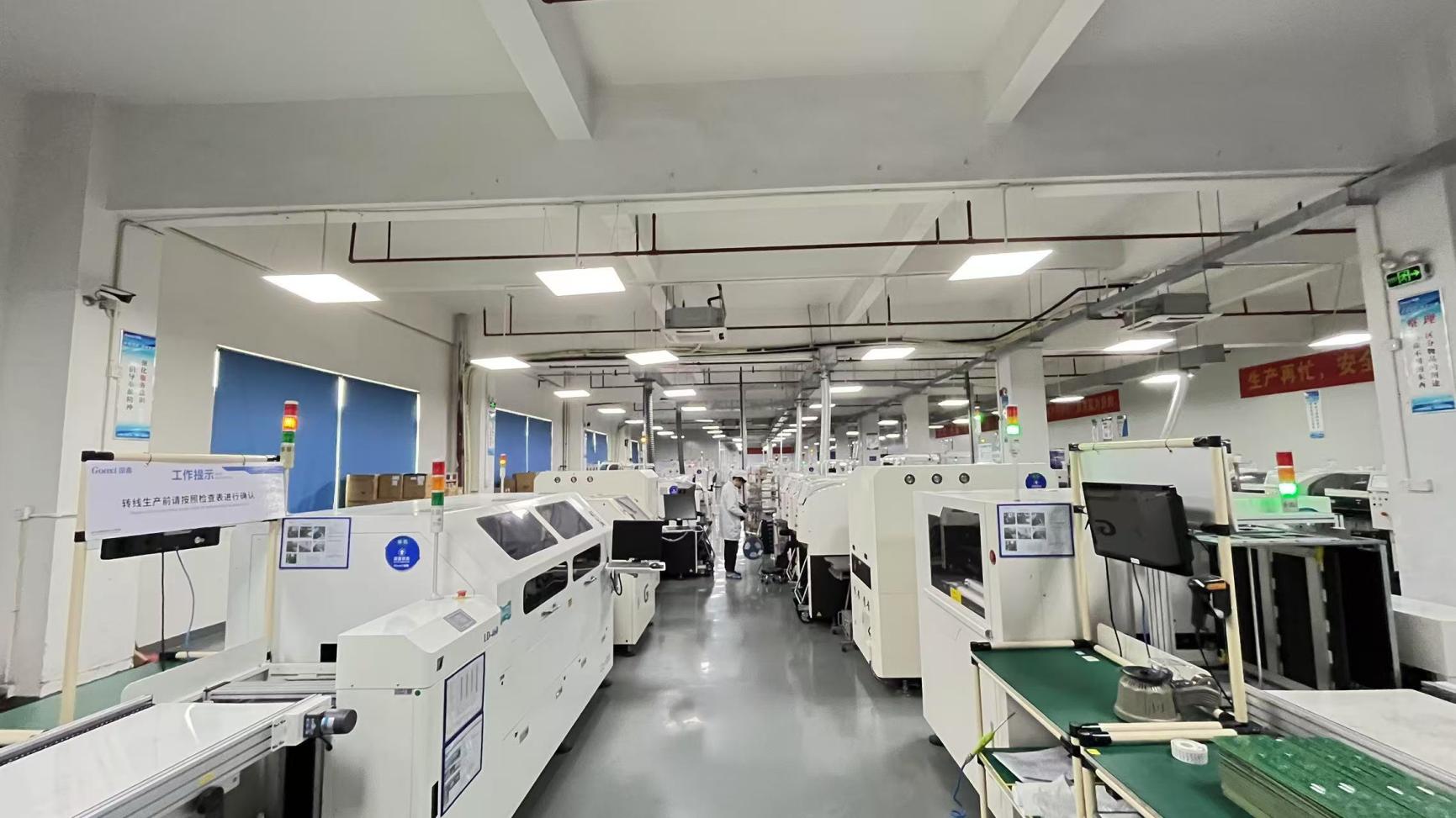
Answers to common questions regarding OEM/ODM manufacturing, system configurations, and shipping policies.
We provide custom engineering services covering physical and electronic specifications. This includes custom server chassis fabrication, layout optimization for PCIe riser configurations, thermal dissipation profiles, custom BIOS setup, branded packaging, and pre-installed firmware.
Every completed system undergoes dynamic testing conducted by our 42 QC staff. This includes 24 to 72 hours of full-load burn-in tests, testing memory read/write cycles, testing high-speed data buses, and verifying structural integrity, ensuring units are stable upon arrival.
Yes. We configure server motherboards, PCIe configurations, and GPU interconnects to handle the parallel processing demands of large models like DeepSeek. This optimization helps maximize memory access speed and interconnect throughput.
Lead times vary depending on component availability and customization requirements. Standard configurations generally ship within 2 to 3 weeks, while bespoke ODM designs requiring custom thermal layouts or structural tooling typically range from 4 to 8 weeks.
NexoraGPU maintains a network of over 1,250 certified supply partners. This allows us to source raw sheet metals, integrated electronics, connectors, and active components at competitive rates, helping to ensure consistent supply and stable pricing.
We provide structural warranties on all hardware configurations. Our R&D and technical support teams offer remote assistance for configuration optimization, software setup, component replacements, and troubleshooting, helping to minimize deployment downtime.
Explore our additional systems designed for large-scale enterprise storage, high-density computing, and cloud deployment.