NexoraGPU
NexoraGPU
NexoraGPU
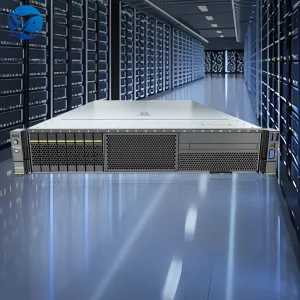
Industry-leading compute power configured for high thermal efficiency and rapid deployment in Cairo, Giza, and the New Administrative Capital.
The Arab Republic of Egypt is aggressively asserting itself as the primary digital and cloud communications hub of North Africa and the Middle East. Under the strategic vision of "Digital Egypt" and the broader "Egypt Vision 2030" framework, the Ministry of Communications and Information Technology (MCIT) has spearheaded structural transformations, incentivizing foreign direct investment in data centers, high-performance computing (HPC) nodes, and localized AI clouds.
Consequently, the demand for GPU servers within Egypt has pivoted from typical commercial workstation processing to industrial-scale parallel compute arrays. Driven by investments in the New Administrative Capital (NAC), new subsea cable landing stations along the Suez Canal, and state-backed telecom modernization, Egypt is rapidly transforming. High-density data centers require enterprise-grade hardware that meets local challenges, such as elevated ambient cooling demands and power optimization constraints.
"For Egyptian enterprise architectures, importing raw components is no longer viable. Local system integrators and hyperscalers require direct-from-factory GPU server manufacturers who understand regional power dynamics, compliance certifications, and thermal tolerances in arid environments."
Aligning international enterprise architectural standards with the practical realities of the local regional procurement framework.
Globally, GPU server architecture has evolved past the paradigm of general-purpose compute servers. The sudden rise of generative AI networks, parameter models exceeding 671 billion parameters (such as the Deepseek-671B architecture), and real-time inference frameworks have created complex challenges for data center hardware. When sourcing GPU servers for the Egyptian market, global procurement officers and local CTOs must evaluate specific performance vectors:
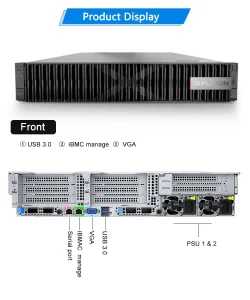
Traditional PCIe slots are bottlenecked by CPU-to-GPU data transmission rates. Modern AI workloads require high-speed inter-GPU links (like NVLink or Infinity Fabric) using Mezzanine and OAM (OCP Accelerator Module) topologies. For deep learning training applications, it is critical to ensure that system designs utilize architectures capable of supporting up to 8x HGX configurations within a unified 4U high-airflow system.
Egypt’s environmental profile introduces significant challenges for standard rack deployments. High outdoor temperatures require data centers to run intense air conditioning units, driving up Power Usage Effectiveness (PUE) ratios. Direct-to-Chip (D2C) liquid cooling or optimized hybrid convection cooling designs are essential. GPU servers must feature redundant (2+2), highly efficient Titanium-grade power supplies (PSUs) to handle power surges and regional grid fluctuations.
With open-source architectures like Deepseek-R1 and Deepseek-V3 gaining traction globally, hardware designs are shifting to favor memory-bandwidth-heavy systems. High-density servers featuring dual EPYC or Xeon processors, coupled with extensive DDR5 ECC RAM allocations (minimum 512GB to 1TB), are crucial to prevent CPU-bound pipeline bottlenecks during inference operations.
Customized server configurations designed to solve specific compute, performance, and scaling challenges.
Delivering high-density GPU computing for metropolitan surveillance, citizen portal automations, and intelligent traffic management across the New Administrative Capital. Our servers offer integrated hardware TPMs for compliance.
Preventing transaction fraud and facilitating high-frequency algorithmic processing in Cairo’s financial sectors. We implement dual-socket Xeon structures with high-availability SSD arrays to minimize latency.
Providing high-precision computational environments for universities like AUC and Cairo University. Supporting researchers in deep learning, molecular physics, and Arabic linguistic structural training.
Founded in 2017, Nexora Intelligent Technology Co., Ltd. (operating under the global brand NexoraGPU) is a specialized manufacturer of high-performance GPU servers, AI computing systems, HPC clusters, storage systems, and custom data center server chassis.
With over 9 years of industry experience and 6 years of export history, we have optimized our supply chains to supply high-reliability enterprise systems directly to the Middle East, Southeast Asia, and European regions. Our annual export revenue has grown to exceed US$18 million, indicating our strong presence in the global server supply market.
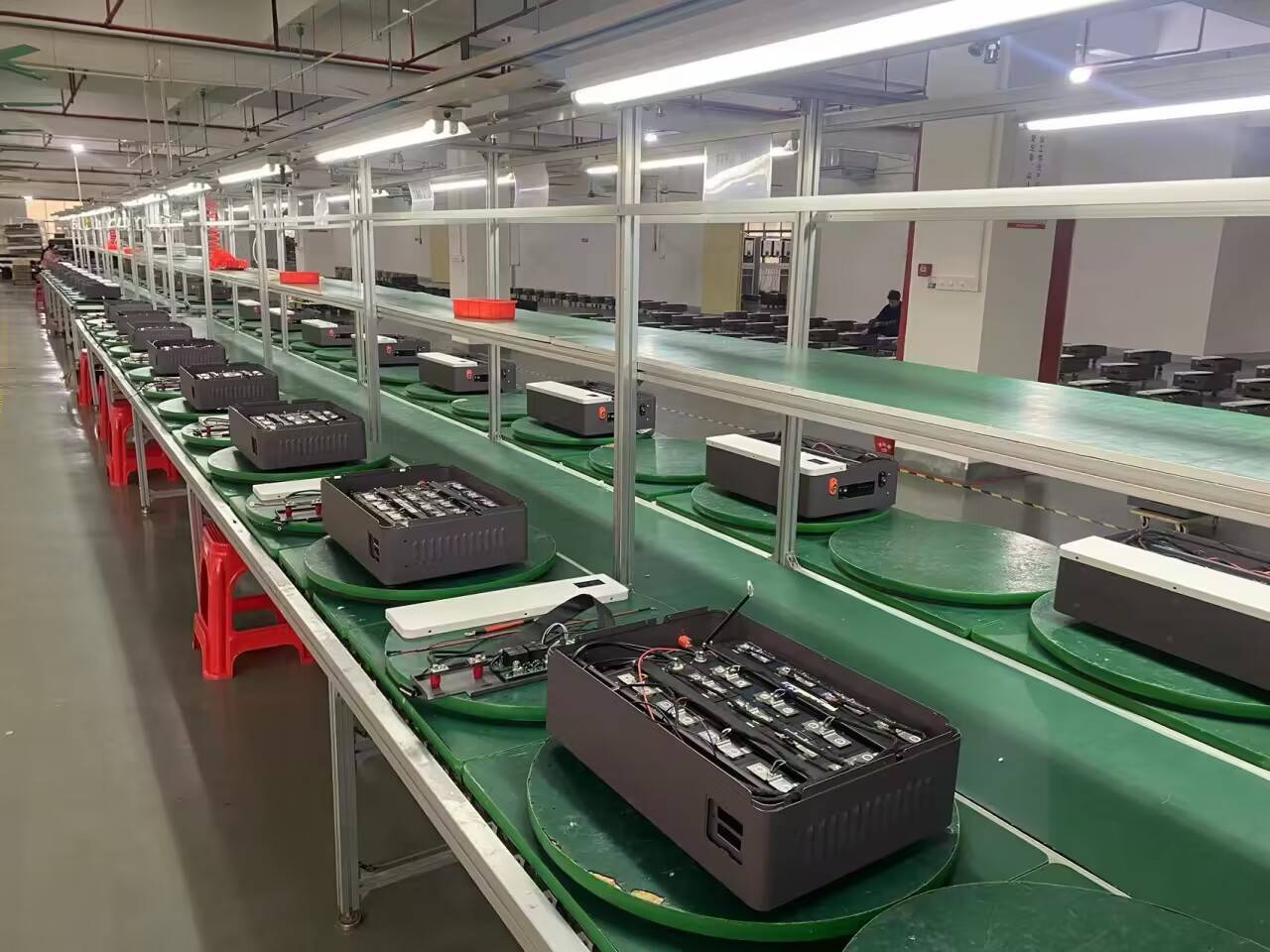
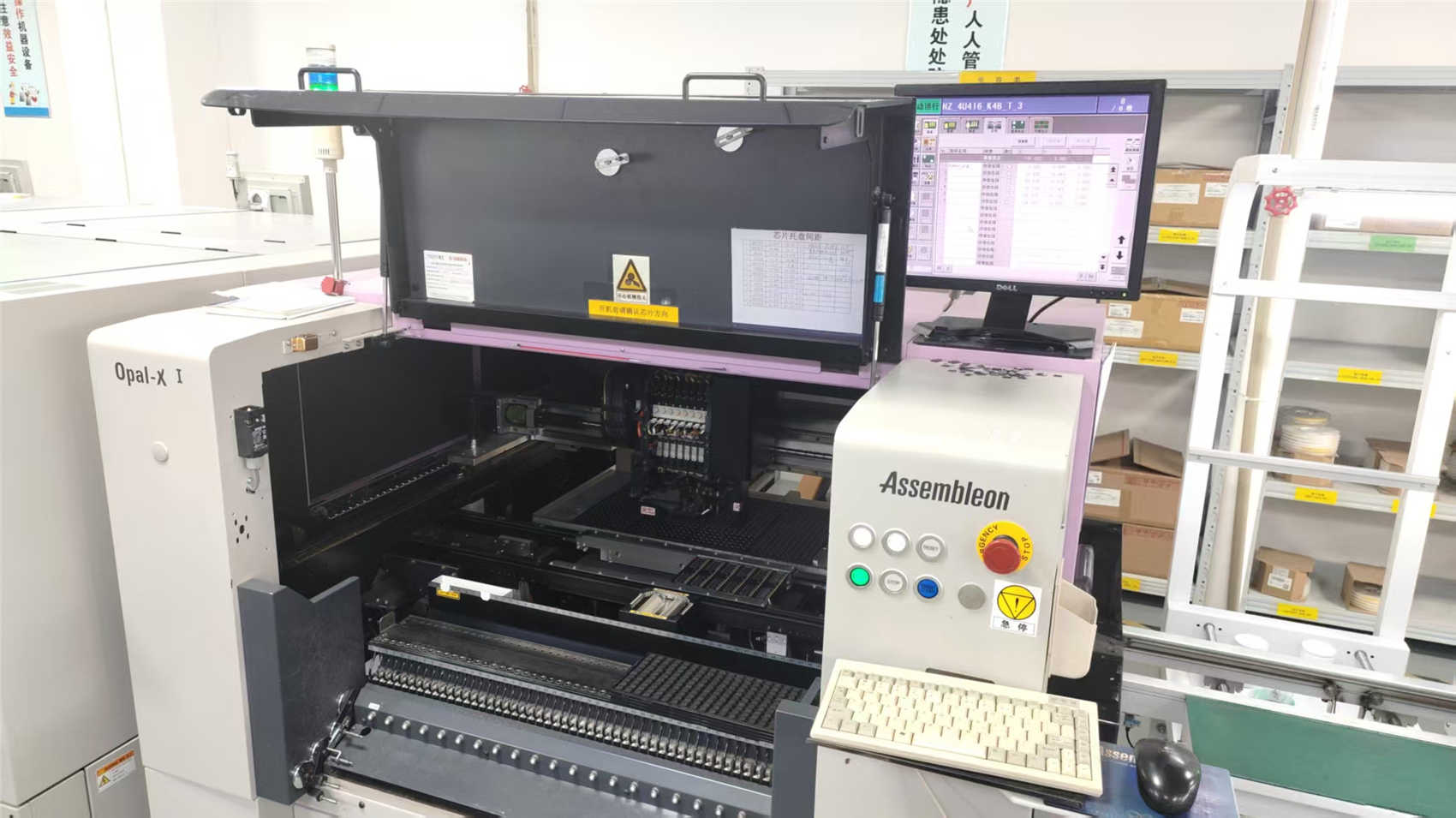
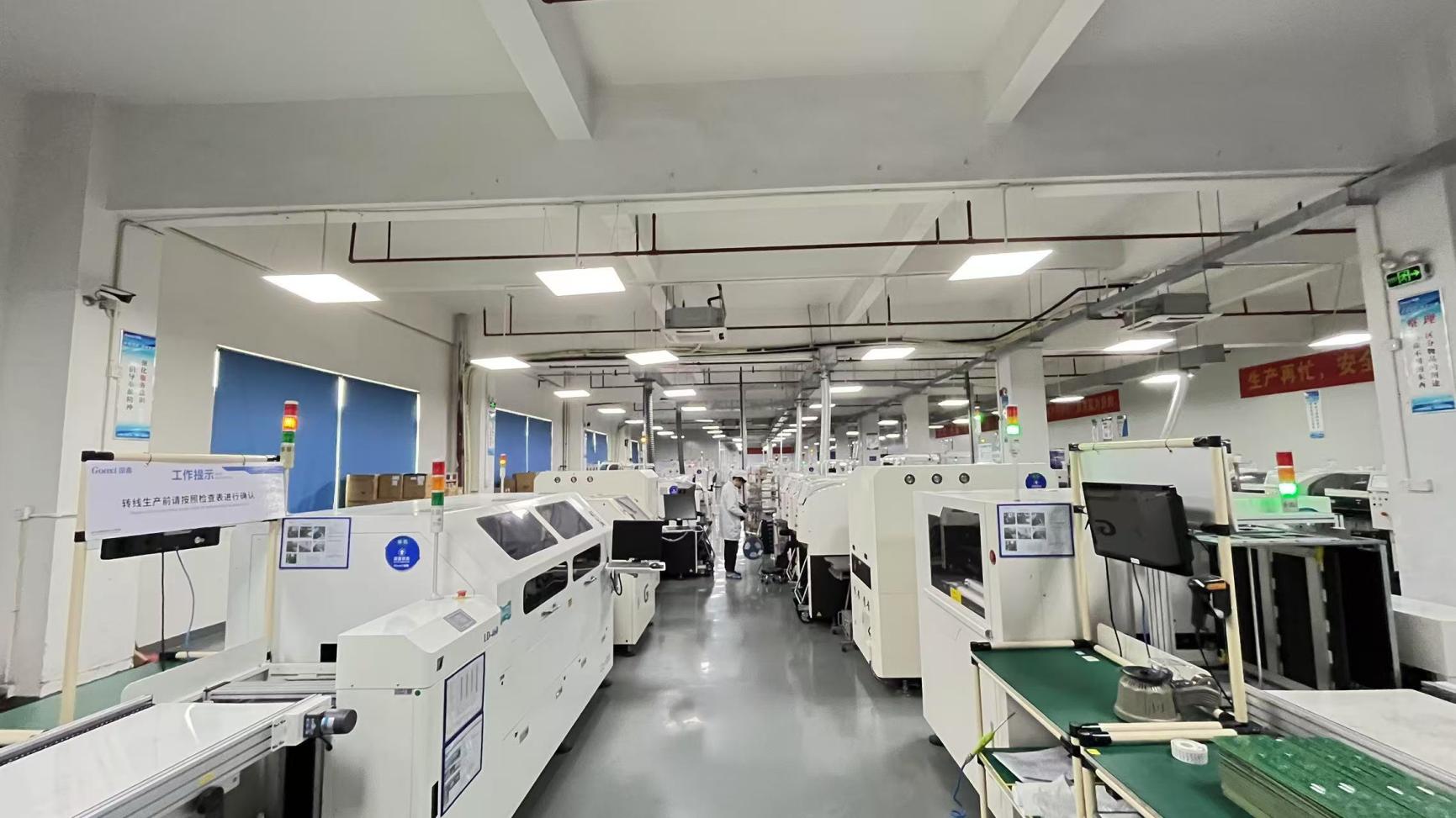
Operating from a specialized 386㎡ high-precision system assembly facility, NexoraGPU runs advanced thermal simulation testing, comprehensive board-level diagnostics, and extensive system burn-in routines. Supported by a rigorous quality system managed by 42 dedicated QC engineers, we guarantee that every unit arriving in Egypt is fully optimized for continuous, reliable operation.
Our in-house R&D team includes 128 experienced engineers specializing in server chassis optimization, custom liquid loop systems, and custom BIOS adjustments. Last year alone, NexoraGPU designed and deployed 86 new products, highlighting our commitment to engineering innovation.

Navigating the import and deployment of high-performance GPU systems into Egypt requires deep understanding of local compliance frameworks and shipping infrastructure. Choosing an experienced hardware manufacturer like NexoraGPU simplifies the transition from the factory floor to the Egyptian server rack.
All communication equipment, storage servers, and high-frequency computing units entering Egypt must receive regulatory clearances from the National Telecommunications Regulatory Authority (NTRA). NexoraGPU provides complete documentation packages, including CE certifications, safety evaluation reports, and origin tracking paperwork. We work closely with Egyptian import agencies to manage pre-shipment inspections and fast-track shipping logistics.
Under Egypt's updated import laws, all shipments require registration on the Nafeza Single Window System to receive an ACID (Advance Cargo Information Declaration) number before dispatch from the shipping port. Our specialized export documentation team manages these administrative requirements directly, minimizing customs clearance delays at Alexandria or Cairo Airport ports of entry.
Because the physical handling and initial setup of complex systems can be challenging for local IT departments, we provide remote onboarding support, pre-configured BIOS presets, and server monitoring integration tools. Our engineers collaborate with local system integrators to verify that systems are properly tuned for regional data center facilities.
As computational models shift from large language patterns to multimodal real-time reasoning engines, server hardware designs must adapt. NexoraGPU's technical roadmap aligns with these emerging technologies:
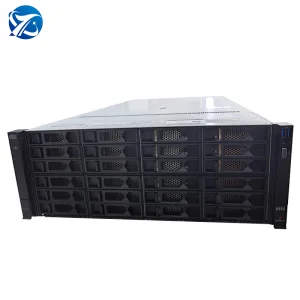
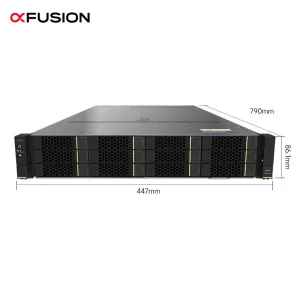
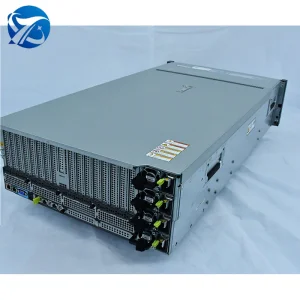
Explore our complete range of certified server designs optimized for deep learning, virtualization, cloud database clusters, and high-performance computing.
Technical and logistical details regarding custom GPU server sourcing for Egyptian enterprises.
Standard assembly and quality control testing require 7 to 14 business days. Transit time via air freight to Cairo International Airport (CAI) typically ranges from 5 to 7 days, depending on flight schedules and customs processing.
We prepare comprehensive technical documentation, including CE certifications, test reports, and compliance certificates. Our logistics team coordinates with your local clearing agent in Egypt to verify import paperwork before shipping.
Yes. Our configurations feature high-RPM hot-swappable cooling fans, optimized internal airflow paths, and support for high ambient temperature environments, helping reduce data center cooling costs.
Yes. We offer customization options, including custom-branded front bezels, custom BIOS logos, specific port configurations, and optimized PCIe layouts tailored to your software stack.
Every server undergoes a 72-hour burn-in phase, dynamic thermal analysis under load, component compatibility validation, and stability checks to ensure reliable hardware performance.
Our configurations support standard PCIe GPUs (such as active/passive cooled AI cards) and HGX high-speed interconnect structures, providing versatility for deep learning workloads.