NexoraGPU
NexoraGPU
NexoraGPU
Enterprise-grade server platforms and high-density GPU accelerators designed for processing critical network workloads, Edge AI, and database environments.
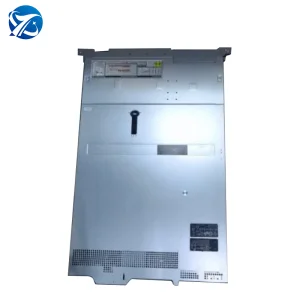
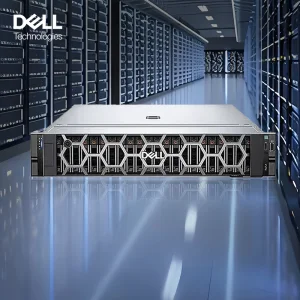
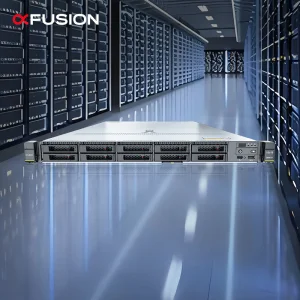
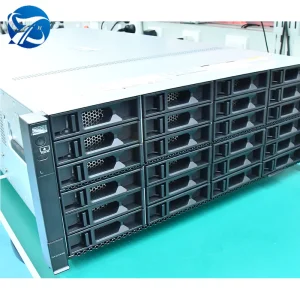
Analyzing the paradigm shift toward software-defined telco architectures, virtualized functions, and integrated AI compute nodes.
Traditional telecom infrastructures rely heavily on proprietary, single-purpose hardware ASICs. Today, the global standard has shifted to general-purpose, high-density 1U/2U rack servers equipped with PCIe Gen 5 routing lanes, high-speed LOM interfaces, and dedicated computing acceleration units. This enables operators to execute Virtualized Network Functions (VNFs) alongside intensive compute tasks on a single physical node.
Deploying AI and processing applications close to the network edge minimizes backhaul fiber stress and drops latency down to sub-10ms ranges. Modern edge servers support high-density GPUS, allowing regional base stations and central offices to handle complex AI inferencing, real-time spatial positioning, and IoT telemetry streams natively, without reliance on centralized cloud server parks.
As telecom networks are categorized as critical national infrastructure, hardware platforms must conform to strict operating thresholds. Features such as carrier-grade redundant hot-swap power supplies (CRPS), intelligent cooling architectures designed for continuous high-load operations, and TPM 2.0 security chips ensure high availability (up to 99.999% uptime) and secure boot operations.
The Pearl River Delta, spearheaded by Shenzhen, remains the unrivaled global nucleus for high-performance server production and telecommunication hardware development. This ecosystem offers distinct advantages that cannot be replicated elsewhere:
By consolidating hardware design, SMT manufacturing, enclosure stamping, and system testing at one local site, production overheads are lowered by up to 25% compared to decentralized models. Shipping operations utilize Direct-to-Port logistics channels through Shenzhen and Hong Kong ports, guaranteeing secure and rapid ocean or air delivery to major global distribution nodes.
Exploring the convergence of artificial intelligence, high-density storage platforms, and low-latency networking architectures.
The massive proliferation of open-source and proprietary AI models (such as DeepSeek, Llama, and specialized visual transformers) requires telco operators to configure their server nodes with dedicated parallel computing resources. Enterprises now select 2U rack servers equipped with multi-socket GPUs and high-capacity DDR5 systems to perform localized natural language processing, semantic search, and customer intelligence directly at regional switching offices.
As high-definition media consumption, IoT sensory data, and connected vehicle traffic scale, telecom service networks require robust file storage systems. Leveraging hybrid storage configurations (high-speed NVMe solid-state drives paired with high-capacity enterprise hard disk drives) within 1U and 2U formats enables system administrators to manage rapid read/write sequences without running into storage IOPS bottlenecks.
Modern high-performance multi-core CPUs and dense GPU computing arrays release massive amounts of thermal energy. Standard chassis architectures struggle to dissipate heat efficiently in compact environments. The market is increasingly adopting intelligent fan speed control systems, specialized heat pipes, and modular direct-to-chip liquid cooling loops to maintain core processor temps within safe margins, extending hardware life spans.
Global telecommunication network operators are migrating away from locked, single-vendor proprietary RAN architectures. By implementing Open RAN protocols, carriers can deploy virtual baseband units and control functions across standardized enterprise x86/ARM hardware platforms. This modular deployment strategy lowers total cost of ownership (TCO) and simplifies network updates.
A trusted global manufacturer specializing in GPU computing systems, HPC servers, and robust data center infrastructure.
Founded in 2017, Nexora Intelligent Technology Co., Ltd. (known globally by its flagship brand NexoraGPU) operates at the forefront of the high-performance computing (HPC) and telecommunication hardware sectors. We focus on engineering, manufacturing, and exporting enterprise-grade GPU servers, artificial intelligence computing platforms, distributed network storage architectures, and customized hardware solutions for datacenters around the globe.
Backed by 9 years of deep industry expertise and 6 years of global export experience, we address the strict hardware demands of modern enterprises, cloud infrastructure hosts, and public sector projects. Our annual export revenue has surpassed US$18 million, validating our capability to execute projects across North America, the European Union, Southeast Asia, the Middle East, and South America.
Quality assurance represents a core tenet of our manufacturing operations. NexoraGPU employs 42 dedicated quality control inspectors who oversee a multi-stage validation process. Every server unit undergoes component level checking, high-temperature burn-in testing, load testing, signal integrity evaluation, and system compatibility checks. We utilize 100% full functional testing and modern stress tests to ensure hardware stability in demanding 24/7 telecom environments.
Our OEM & ODM manufacturing facilities are backed by a robust supply chain comprising more than 1,250 certified partners. To maintain a competitive edge, our R&D center houses 128 experienced hardware and software engineers. They handle custom request designs, including component layovers, chassis alterations, power configuration updates, and BIOS/firmware level tweaks. Last year alone, our teams launched 86 new product designs to meet the growing demands of modern computing infrastructures.
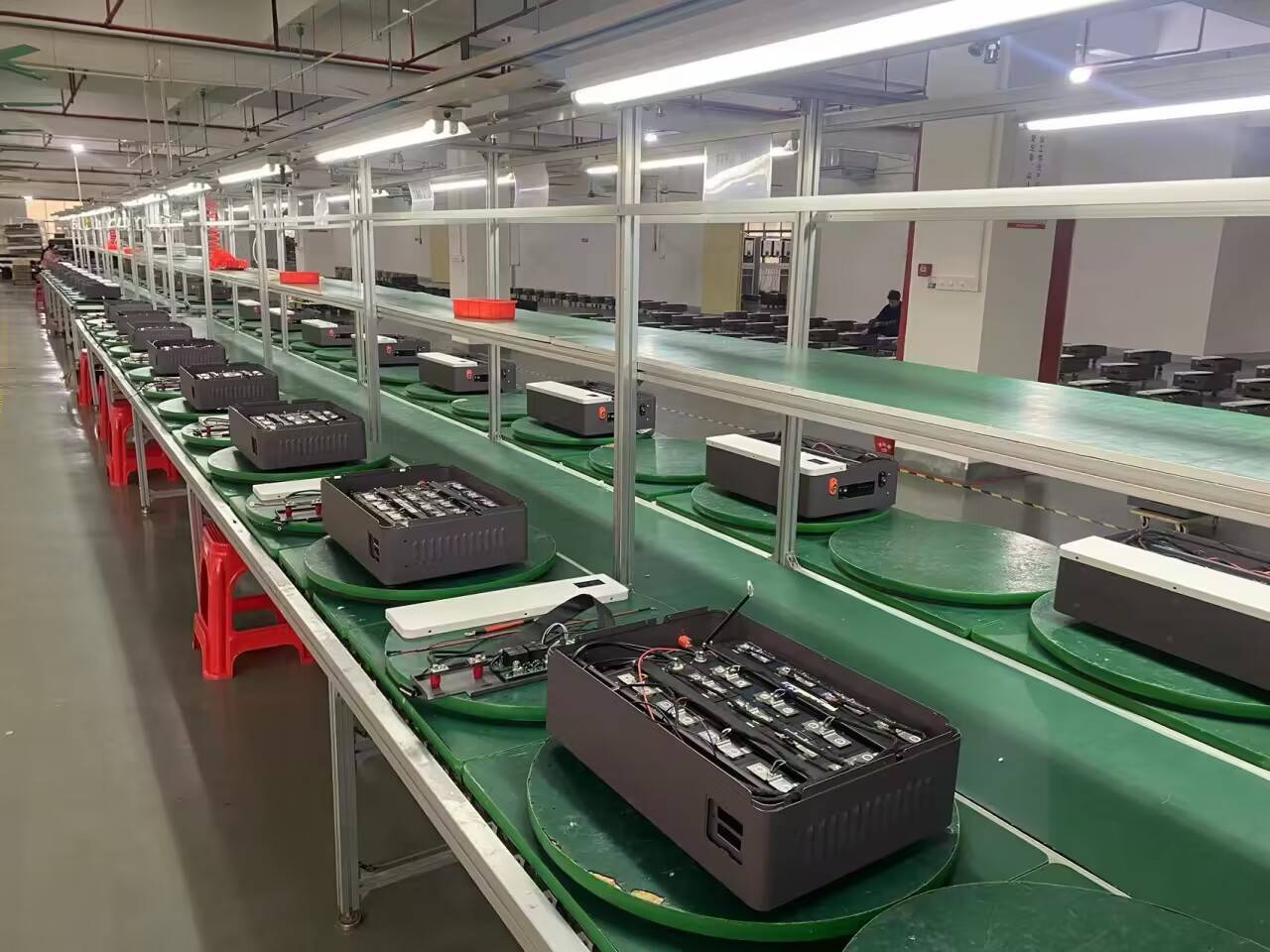

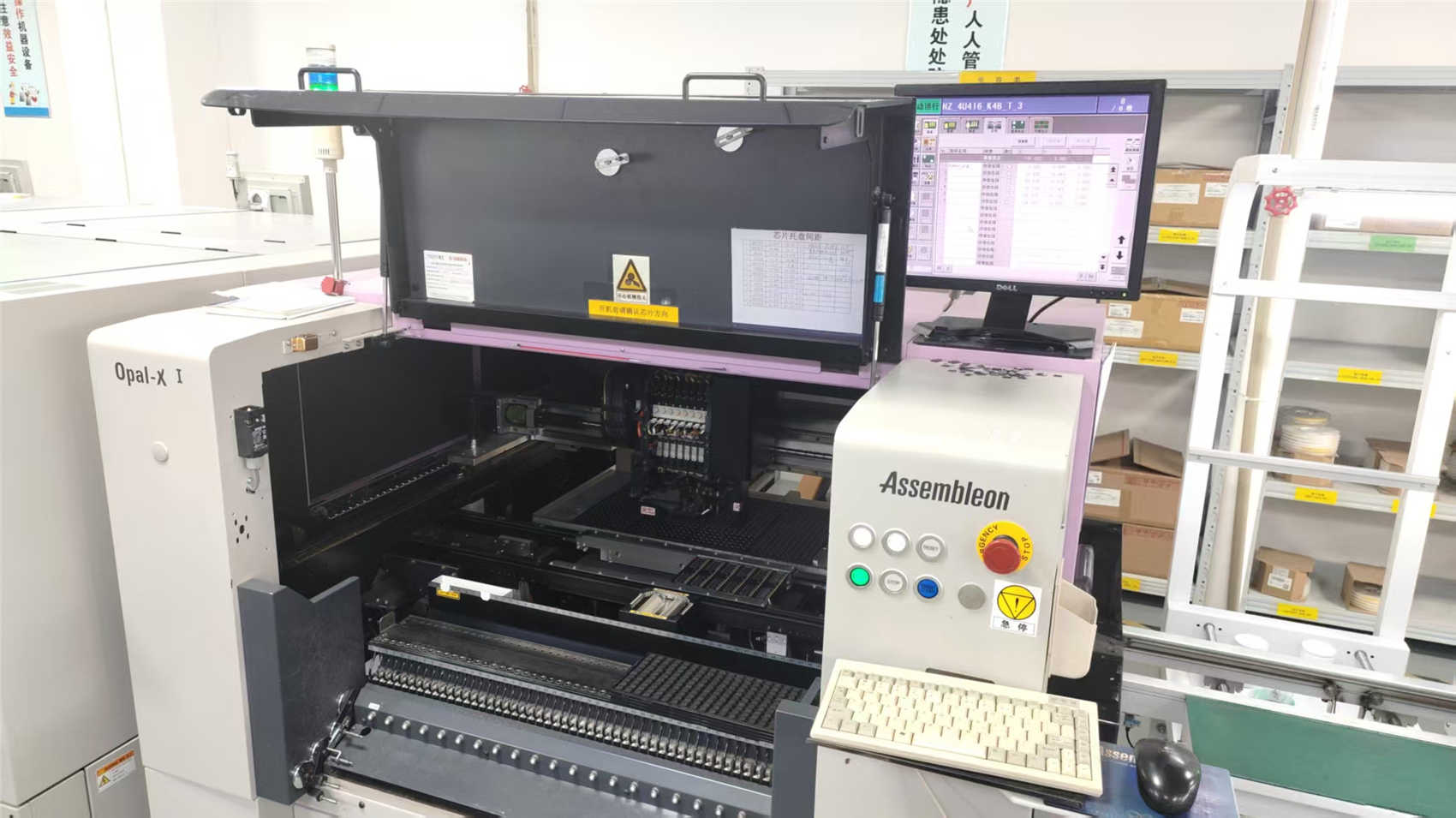
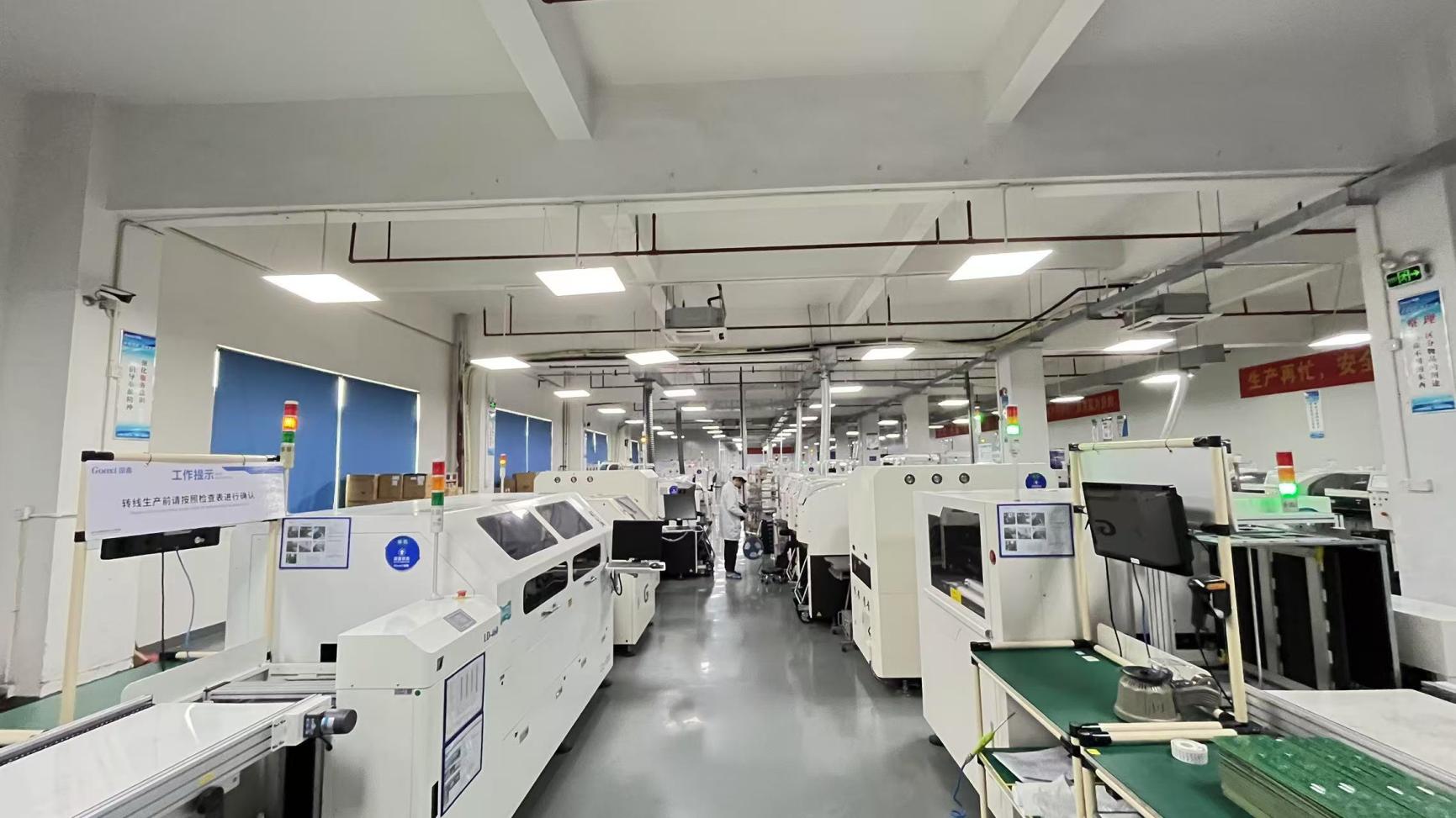
"By integrating advanced R&D with a highly coordinated supply chain, NexoraGPU delivers custom computing platforms that offer exceptional cost efficiency, reliability, and modern technical features."
A strategic blueprint for procurement officers evaluating server hardware and telecommunication system nodes.
Evaluate whether the deployment workload requires high single-core compute performance (e.g., database transactions) or massive multi-core throughput (e.g., virtualization hosts). Choose between modern Intel Xeon Scalable architectures and AMD EPYC platforms to ensure compatibility with existing virtualization hypervisors and custom network stacks.
High-speed telecom switches and distribution interfaces require matching throughput at the host server level. Ensure the server board configuration provides sufficient PCIe Gen 5 expansion slots to accommodate dual-port 100GbE / 200GbE network interface cards (NICs), SAS controllers, and high-performance OCP 3.0 network cards.
Datacenters operate under strict electrical limits. Select server models that feature redundant power supply configurations (such as 1+1 or 2+2 setups) with 80 PLUS Titanium or Platinum ratings. This layout reduces energy loss, keeps standby power consumption low, and minimizes operating expenses.
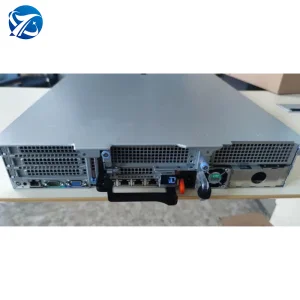
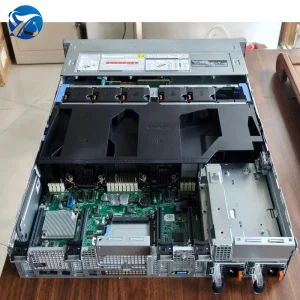
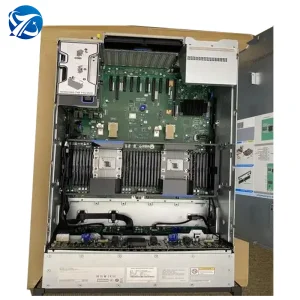
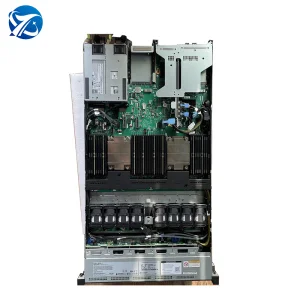
Industry-certified platforms featuring scalable PCIe support, dual-socket processor platforms, and enterprise storage arrays.
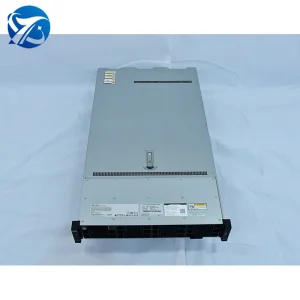
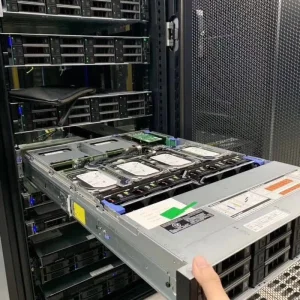
Essential information regarding hardware customization, production testing, logistics, and deployment support.