NexoraGPU
NexoraGPU
NexoraGPU
Explore our leading-edge catalog of fault-tolerant servers designed for real-time virtualization, database storage, and deep learning operations.
Understanding the transition from high availability to absolute continuous operations in the era of heterogeneous AI acceleration.
As the digital economy accelerates, data centers are transitioning from simple high-availability architectures to strict, zero-downtime Fault-Tolerant (FT) infrastructures. Fault tolerance represents the ability of a computing cluster to sustain active operations without service degradation, even in the event of hardware failures, power losses, or localized thermal events. While traditional system architectures rely on fast recovery (reducing Mean Time to Repair, or MTTR), contemporary AI workloads, financial transaction pipelines, and autonomous network systems require complete mitigation of any single point of failure (SPOF) in real-time.
The global push for large language models (LLMs) and advanced AI architectures like DeepSeek and GPT has placed unprecedented stress on hardware platforms. During multi-week training iterations, a single server node failure can cause cascading memory drops and corrupt gradient synchronization, wasting millions of dollars in compute time. Consequently, global procurement trends are shifting toward systems equipped with multi-level hardware redundancy, hardware-level ECC memory scrubbing, and intelligent BMC telemetries that anticipate hardware degradation before an outage occurs.
A global pioneer in manufacturing high-performance GPU servers, AI compute platforms, and customized fault-tolerant architectures.
Founded in 2017, Nexora Intelligent Technology Co., Ltd. (operating globally under the premier brand NexoraGPU) is a specialized manufacturer of high-performance GPU servers, AI computing systems, HPC clusters, and customized data center infrastructures. Leveraging over 9 years of industry experience and 6 years of direct export experience, we design and produce highly resilient computing solutions tailored to withstand the most intense compute requirements of modern enterprises, AI startups, academic institutions, and cloud providers worldwide.
Operating a modern, state-of-the-art facility covering 386㎡, NexoraGPU runs as an integrated OEM & ODM developer with direct global export capabilities. Our production pipeline is backed by a robust, secure network of over 1,250 certified supply chain partners, guaranteeing the reliability and consistent sourcing of grade-A server components—from advanced CPU chassis designs to highly optimized GPU backplanes.
Our commitment to fault tolerance is validated through rigorous quality assurance. Supported by our team of 42 dedicated QC specialists, every system undergoes extensive multi-phase benchmarking before shipment. This includes 100% load stress testing, component thermal profiling, voltage margin testing, and complex virtualization compatibility runs to guarantee maximum reliability out of the box. Innovation remains our core engine; our 128 expert server hardware engineers successfully rolled out 86 new products last year, providing bespoke solutions optimized for high availability, NVLink throughput, and advanced data redundancy.
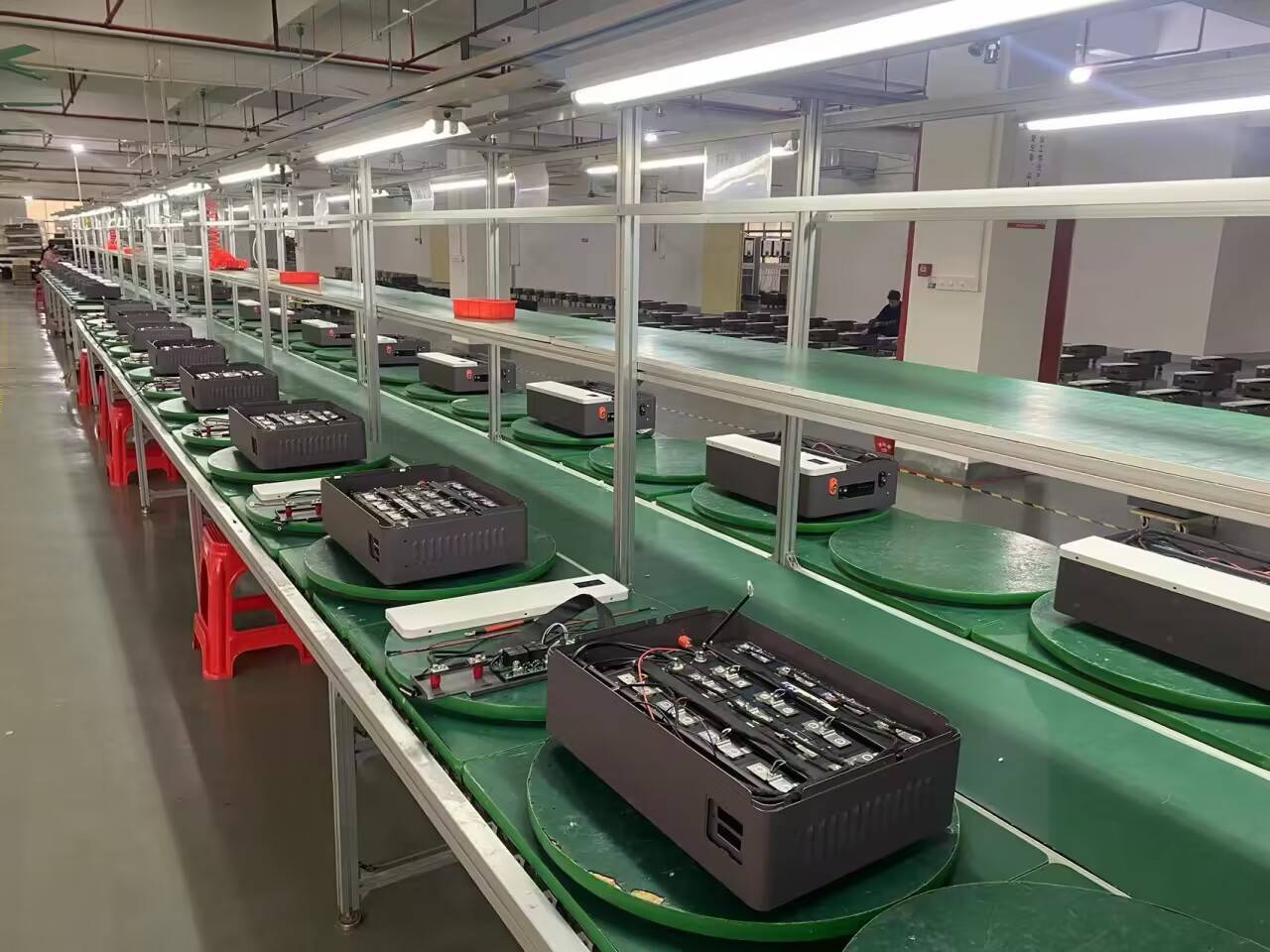

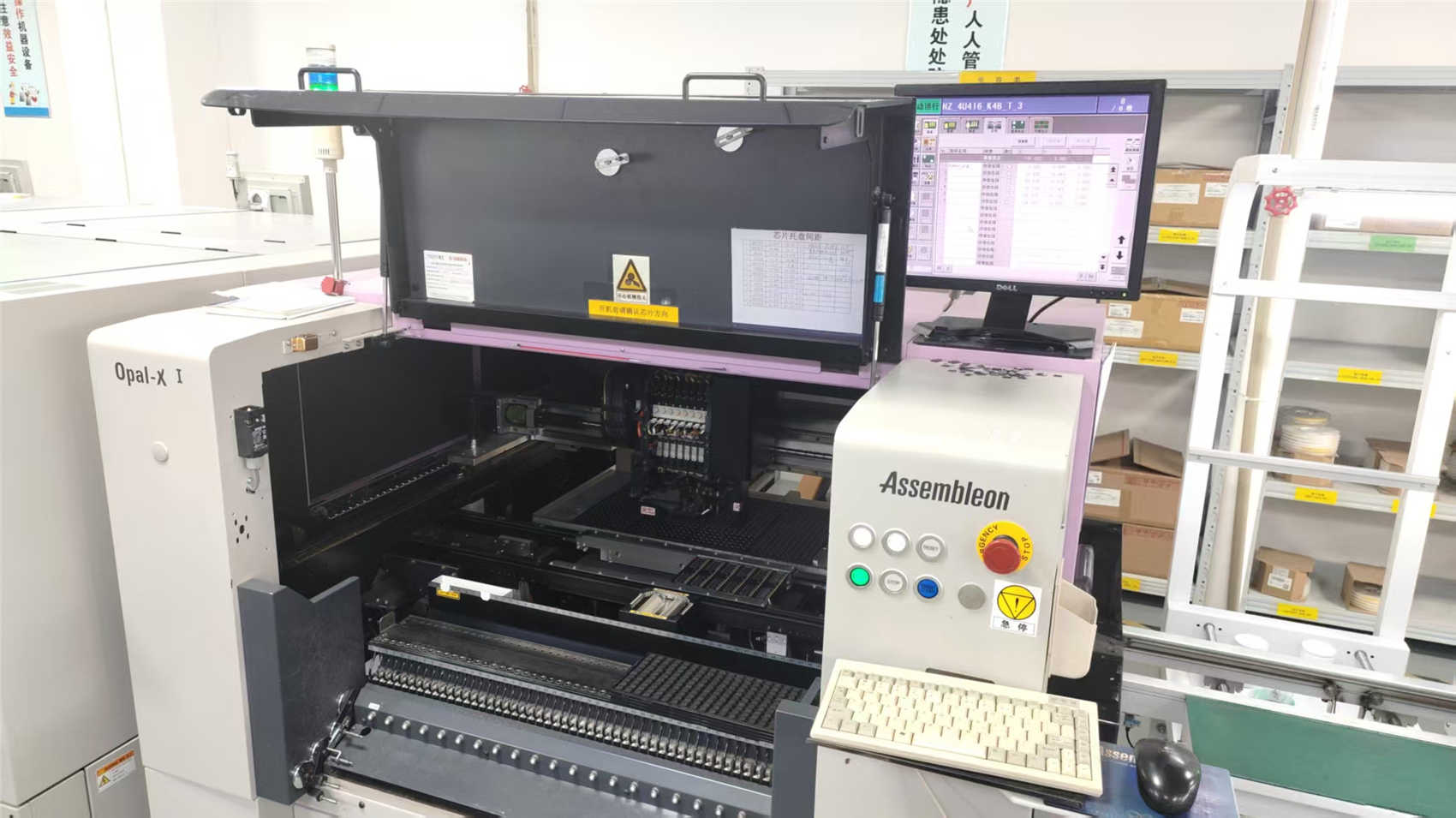
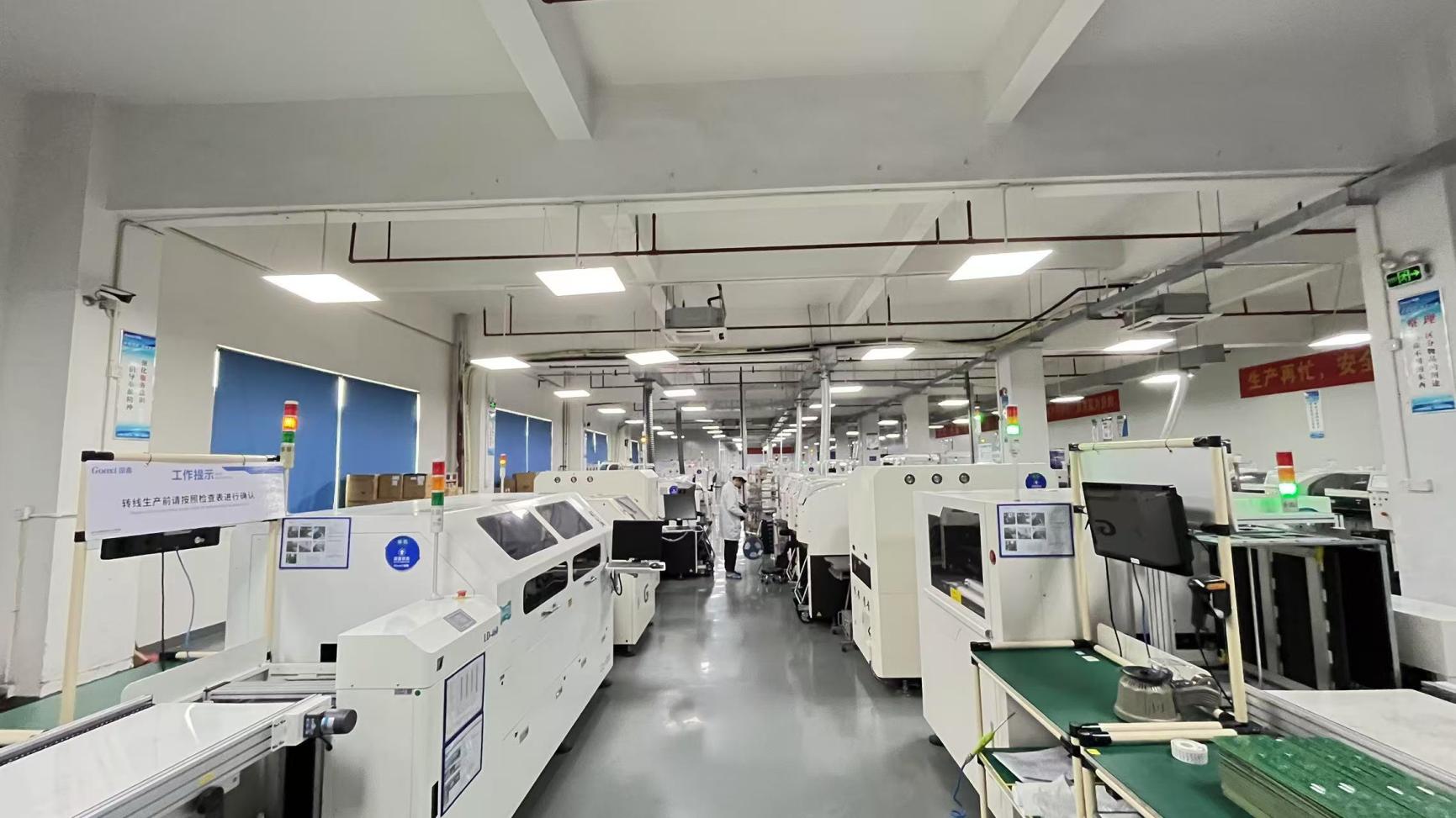
A comprehensive overview of architectural engineering and redundant structures implemented in next-gen server designs.
Power failures remain a top cause of data center incidents. Our systems utilize 80 Plus Platinum or Titanium certified hot-swappable dual/quad power supply units (PSUs) configured in N+1 or N+N patterns. Active load balancing guarantees that if one PSU degrades or experiences power input loss, the backup supply assumes the complete system load instantly without causing voltage drops or kernel panics.
To secure computational pipelines from cosmic-ray-induced bit flips, our server mainboards support multi-channel ECC (Error-Correcting Code) DDR4/DDR5 memories. Advanced implementations like Single Device Data Correction (SDDC) protect systems from multi-bit failures within a single DRAM chip. Memory scrubbing runs in the background to proactively catch and disable degraded sectors.
Every node includes a dedicated Baseboard Management Controller (BMC) supporting IPMI 2.0 and Redfish APIs. Integrated sensor networks monitor voltages, fan speeds, drive telemetry (S.M.A.R.T.), and PCIe link stability. Machine learning models analyze this data locally, alerting administrators to schedule component swaps before hardware failure occurs.
How NexoraGPU delivers tailored, fault-tolerant configurations to different enterprise vectors globally.
In the financial sector, microseconds equal millions. Sub-millisecond latency anomalies or abrupt system reboots can break transactional ledgers. NexoraGPU deploys dual-socket servers configured with hardware-mirrored system SSDs and synchronized memory states. By pairing high-performance Intel Xeon or AMD EPYC processors with ultra-fast NVMe storage arrays in RAID 10 configurations, we keep transaction systems operational through localized controller dropouts.
Training models with hundreds of billions of parameters requires months of continuous processing across hundreds of GPU nodes. An unhandled node failure can stall the entire training cluster. NexoraGPU's high-density AI servers employ dedicated PCIe switches, independent GPU power lanes, and multi-interface high-bandwidth network adapters (such as 200Gbps InfiniBand) with automatic link aggregation. This ensures that a single GPU or port failure will not interrupt training runs.
Edge nodes are often deployed in locations with limited accessibility, making manual servicing difficult. For these applications, NexoraGPU supplies short-depth, ruggedized chassis designed for wide temperature operation. These systems feature remote diagnostic consoles, self-healing BIOS recovery, and dual-redundant boot drives, ensuring edge clusters continue to function even under unstable ambient conditions.
As CPU and GPU architectures grow increasingly complex, traditional redundancy models are evolving to meet new processing demands. The future of server fault tolerance is shifting from simple component mirroring to software-defined hardware resilience. Key technology vectors include:
Recent studies show that server outages cost enterprise data centers an average of $9,000 per minute. For critical platforms, this number can climb even higher. Implementing fault-tolerant hardware architectures is no longer just an insurance policy—it is a core requirement for protecting operational revenues.
By investing in N+1 component architectures, advanced hot-swappable bays, and predictive telemetry platforms, businesses can drastically reduce both planned and unplanned service interruptions, lowering total cost of ownership (TCO) over the lifetime of their IT infrastructure.
Professional technical insights into fault tolerance design, deployment, and configuration metrics.
Complete your deployment configuration with our robust server options designed for virtualized workflows and demanding computing tasks.