NexoraGPU
NexoraGPU
NexoraGPU
Deploy optimized hardware profiles meticulously configured to sustain demanding PostgreSQL online transaction processing (OLTP) and relational analytics workloads.
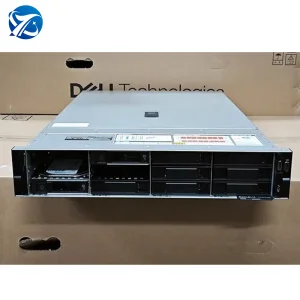

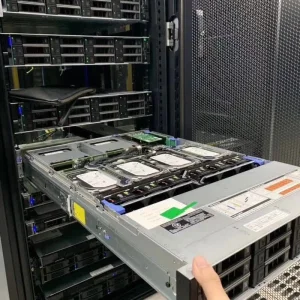
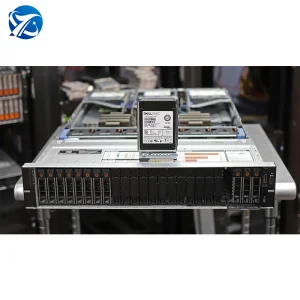
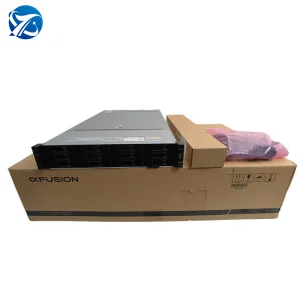
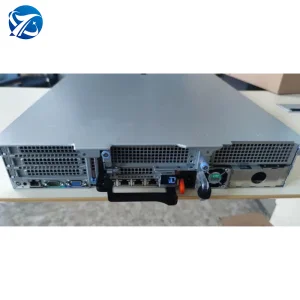
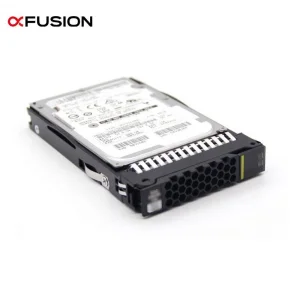
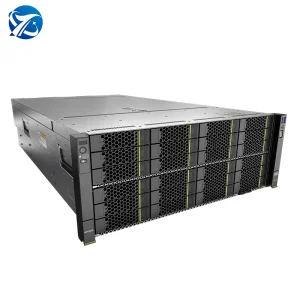
PostgreSQL, often crowned as the world’s most advanced open-source relational database, imposes heavy demands on underlying compute, memory, and storage sub-systems. Unlike lightweight data structures, PostgreSQL relies on a process-based architecture (rather than a threaded one), making inter-process communication (IPC), memory bandwidth, and low-latency write systems critical to total system performance.
To maximize Transactions Per Second (TPS) and avoid write bottlenecks during Write-Ahead Logging (WAL), specialized bare-metal server infrastructure is paramount. A standard off-the-shelf system underperforms when dealing with high-concurrency connections, parallel query processing, and massive-scale relational analytical queries. Enterprise architects look to high-performance database servers optimized specifically for massive multi-core execution and high drive-write-per-day (DWPD) metrics.
"Optimizing PostgreSQL requires a deep alignment between PostgreSQL kernel parameters (like shared_buffers, work_mem, and max_worker_processes) and physical CPU topology, memory channel allocation, and NVMe controller throughput. The right hardware configuration minimizes I/O wait times, which are the main cause of relational database bottlenecks."
— Senior Database Architect, NexoraGPU Systems GroupEvaluating the convergence of high-capacity hardware, solid-state reliability, and emerging database architectures.
For PostgreSQL, the Write-Ahead Log (WAL) write latency is a core limiter. Modern servers utilize PCIe Gen 5 NVMe SSDs to achieve sub-millisecond wait times, and read-intensive SATA enterprise SSDs (like the PM893 series) for massive read replica scalability.
With the rise of large language models (LLMs) like DeepSeek, PostgreSQL is increasingly used as a vector database using extensions like pgvector. This shifts database workload requirements, requiring CPU-accelerated vectorized searches and massive RAM capacity.
PostgreSQL relies heavily on memory caching for indexes and hot data blocks. Modern PostgreSQL servers leverage high-bandwidth DDR5 RAM with advanced Error-Correcting Code (ECC) to support rapid scans of database tables without bottlenecking the system bus.
In addition, modern hyperconverged database clusters necessitate highly optimized networking hardware to handle internal synchronization, master-replica replication, and connection pooling. Integrated dual-port 10GE or 25GE SFP28 network interfaces are now standard requirements to prevent connection latency from degrading execution times in multi-tenant application deployments.
What enterprise IT leaders look for when sourcing hardware platforms for core transactional databases.
When procurement departments and IT directors source hardware for PostgreSQL deployments, they focus on parameters that directly affect total cost of ownership (TCO) and service level agreements (SLAs). Database servers are expected to run 24/7/365 under intense load without degradation. Key purchase factors include:
Storage SSDs must have high Drive Writes Per Day (DWPD) ratings. Database workloads are write-intensive due to logging and indexing. Read-intensive drives fail quickly in database systems, which makes enterprise-class SATA and NVMe SSDs the industry standard.
Dual or quad hot-swappable Platinum-grade power supplies (such as 900W or 1500W configurations) prevent downtime due to power supply failure. Enterprise servers are built with redundant, hot-swappable fan modules to prevent thermal throttling on high-TDP processors.
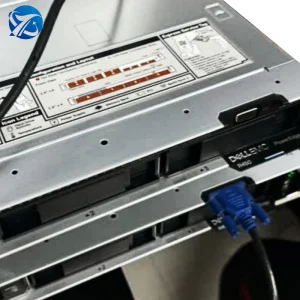
Remote maintenance is vital for data centers. Management systems like Dell's iDRAC or xFusion's iBMC provide remote hardware diagnostics, BIOS configurations, firmware updates, and power control, saving on-site maintenance costs.
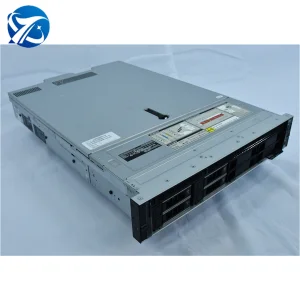
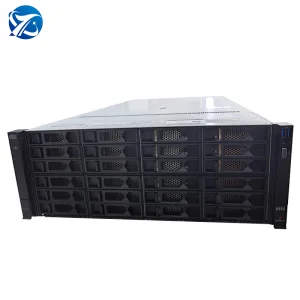
Flexible disk configurations (such as 12-bay 3.5-inch LFF or 25-bay 2.5-inch SFF backplanes) let enterprises scale storage capacity locally using software-defined storage or high-performance hardware RAID controllers.
Tailoring server architecture to the performance, regulatory, and capacity demands of diverse economic sectors.
E-commerce systems face sudden traffic surges during flash sales. Database servers must handle high read-write operations per second. NexoraGPU configurations feature dual Intel Xeon Scalable processors, plenty of DDR5 memory, and high-speed NVMe drives. This configuration allows databases to manage hundreds of thousands of active transactions without connection drops or database lockups.
In financial computing, data integrity is critical. A database server must ensure that every completed transaction is safely written to disk. Our server designs use hardware RAID controllers with Flash-backed Write Cache (FBWC) paired with dual-socket servers. This setup ensures that if a power outage occurs, data in cache is written to disk, preventing database corruption.
As organizations integrate AI models like DeepSeek, databases require high-performance hardware to quickly process embeddings and vector indexes. Our GPU-integrated racks (such as the G5500 V7 and 2258 V7 series) are tailored for hybrid workloads where PostgreSQL works alongside neural networks to search relational and vectorized data.
NexoraGPU: Professional High-Performance Database & GPU Computing Manufacturer
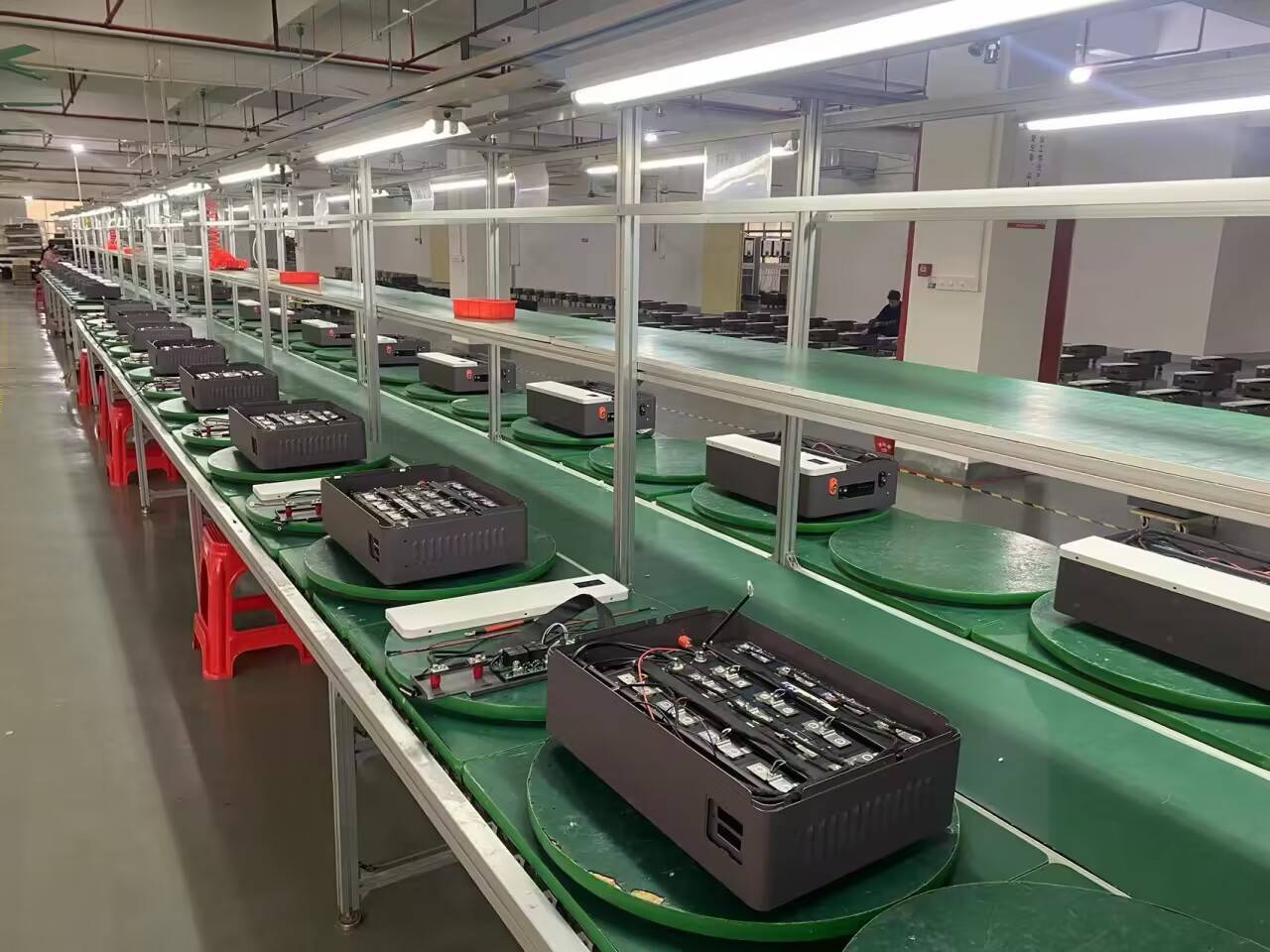
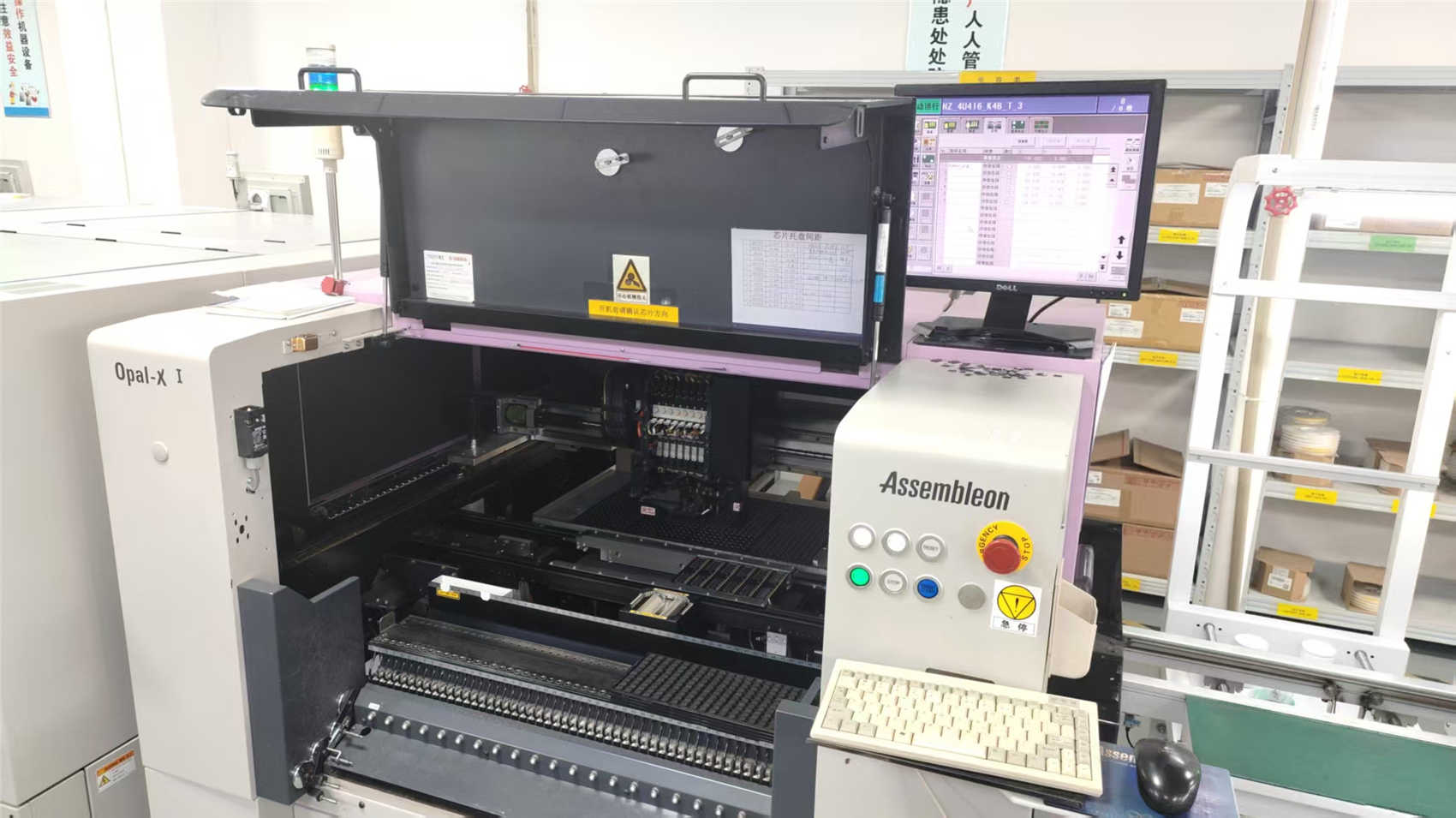
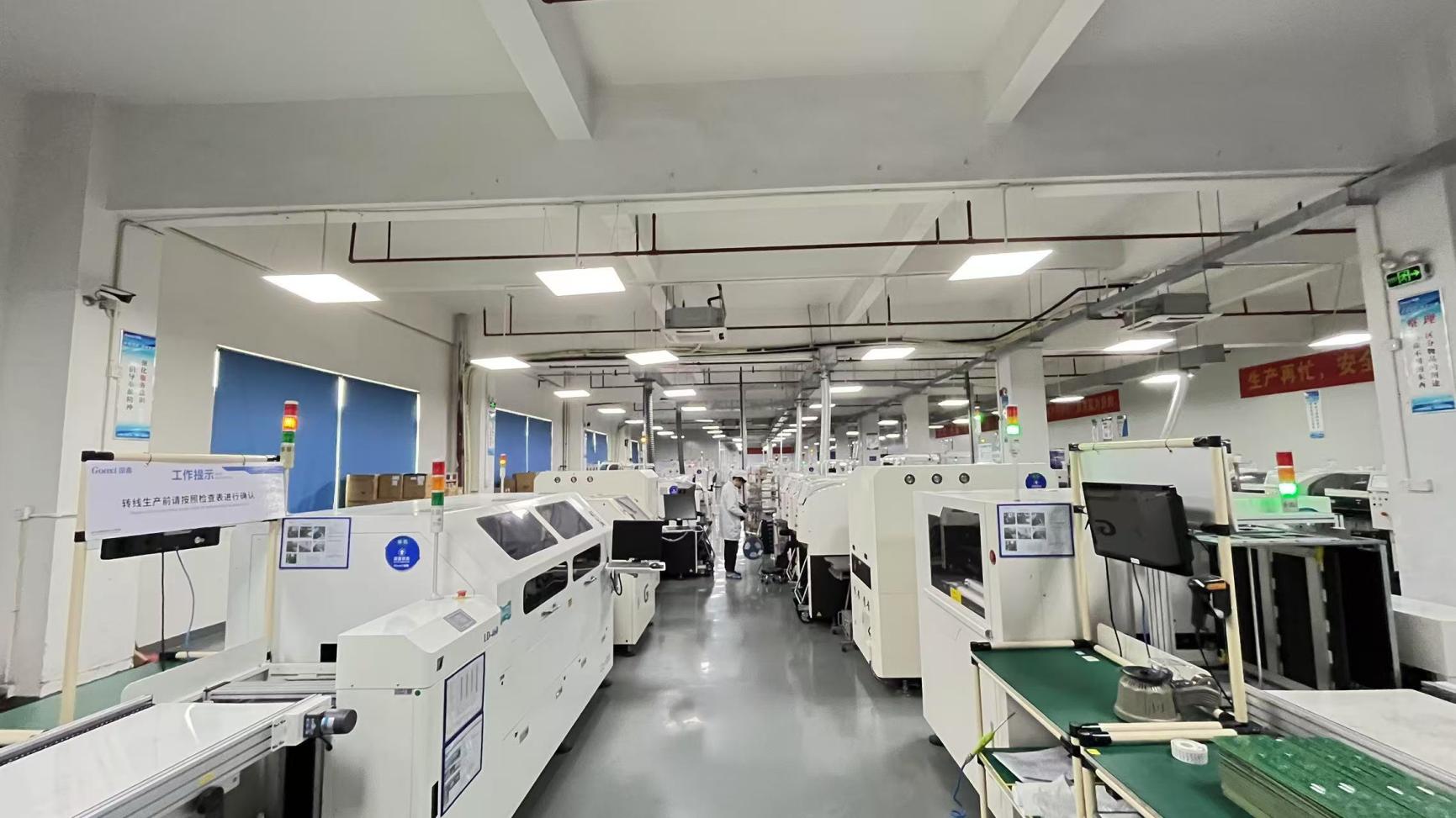
Founded in 2017, Nexora Intelligent Technology Co., Ltd. is a professional manufacturer specializing in high-performance GPU servers, AI computing systems, HPC clusters, storage servers, and customized data center infrastructure solutions. With a modern production facility covering 386㎡, we provide reliable and scalable computing platforms for enterprises, AI startups, research institutes, universities, cloud service providers, and data centers worldwide.
Leveraging 9 years of industry experience and 6 years of export experience, NexoraGPU has established a strong reputation in the global AI computing market. Our annual export revenue exceeds US$18 million, serving customers across North America, Europe, Southeast Asia, the Middle East, and South America.
We maintain a rigorous quality management system supported by 42 professional quality control personnel. Every product undergoes comprehensive testing procedures, including component verification, burn-in testing, thermal performance testing, power stability testing, compatibility validation, and final system inspection before shipment. Quality inspection methods include 100% functional testing, aging tests, and performance benchmarking to ensure reliable operation in demanding environments.
NexoraGPU operates as an OEM & ODM manufacturer with direct export capabilities, supported by a robust network of more than 1,250 supply chain partners. Our primary customers include AI solution providers, cloud computing companies, system integrators, research institutions, government projects, universities, and enterprise data centers.
Innovation remains at the core of our business. Our in-house R&D department consists of 128 experienced engineers specializing in server architecture, thermal design, AI infrastructure deployment, and hardware optimization. We offer comprehensive customization services, including GPU configuration, chassis design, storage architecture, networking solutions, branding, firmware optimization, and rack-level deployment.
Last year alone, NexoraGPU successfully launched 86 new products, further expanding our portfolio of AI servers, GPU workstations, edge computing systems, and enterprise storage platforms. Our advanced R&D capabilities enable us to rapidly develop tailored solutions that meet the evolving requirements of artificial intelligence, machine learning, deep learning, scientific computing, and cloud infrastructure applications.
Driven by innovation, quality, and customer success, NexoraGPU is committed to delivering high-performance computing solutions that empower the next generation of AI and digital transformation worldwide.

How NexoraGPU ensures smooth deployments and regulatory compliance across global jurisdictions.
Navigating global supply chains requires strict compliance with international electronic standards and local data regulations. Every PostgreSQL server manufactured by NexoraGPU comes fully certified for deployment in major global regions. Our certifications include CE, FCC, RoHS, and UL, ensuring that hardware meets strict energy efficiency, safety, and environmental standards.
Additionally, we offer customized localization options for worldwide data centers. This includes variable input voltage power supplies (110V-240V AC or high-voltage DC options), country-specific rail mounting systems, and regional power cables. We offer worldwide shipping with customs clearance support, helping system integrators and local companies install and run systems quickly.
To ensure maximum database availability, NexoraGPU provides tiered support options:
A forward-looking view into the next generation of database server technologies engineered by NexoraGPU.
As enterprise databases scale to petabyte levels and integrate with complex AI structures, server design must adapt. NexoraGPU is currently developing next-generation server solutions optimized for several key technological advances:
pgvector operations, freeing up the system's host CPUs to focus on core transactional workloads.
Technical answers to common questions about configuring database systems for production workloads.
Select from our range of 1U/2U enterprise systems and high-density GPU platforms to scale your global database operations.