NexoraGPU
NexoraGPU
NexoraGPU
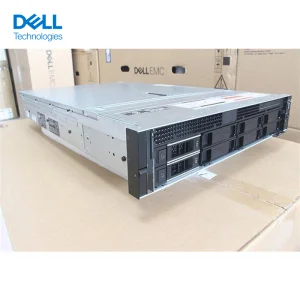
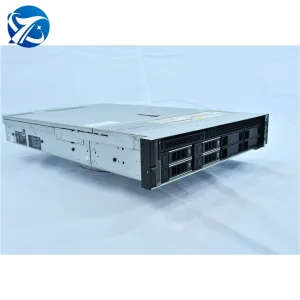
Browse our top-performing GPU and rack servers configured for heavy deep learning workflows, enterprise storage architectures, and scale-out compute nodes.
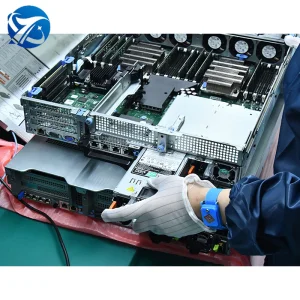
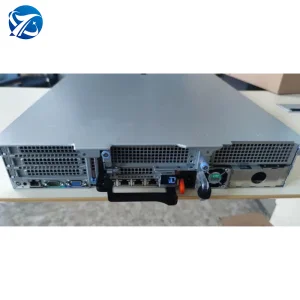
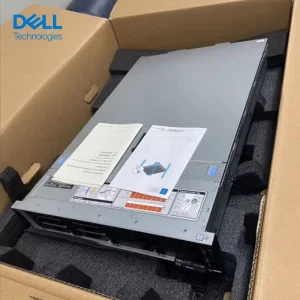
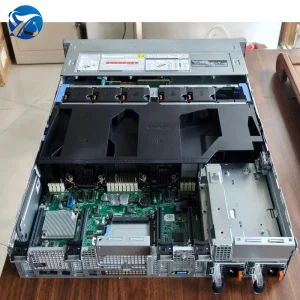
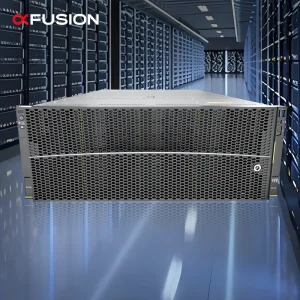
The rapid ascent of Artificial Intelligence, especially generative AI and Large Language Models (LLMs) like the DeepSeek-R1 and Llama-3 family, has created an unprecedented demand for specialized computational hardware. Traditional CPU-centric servers are no longer sufficient to process the multi-billion parameter configurations typical of modern deep neural networks. Today, data centers require high-density, heterogeneous architectures featuring specialized graphics processing units (GPUs), tensor processing units (TPUs), and application-specific integrated circuits (ASICs) coupled with advanced high-speed memory systems like HBM3e and DDR5.
Modern clusters require high-density multi-GPU integration (such as 4U 8-GPU configurations) utilizing proprietary high-speed interconnects. Systems like NVLink and PCIe Gen 5 enable massive throughput, lowering inter-node latency for parallel processing.
Thermal Design Power (TDP) for state-of-the-art GPUs has climbed past 700W per chip, rendering basic air cooling insufficient. The industry is rapidly adopting Direct-to-Chip (DLC) liquid cooling and closed-loop liquid-to-air systems to maintain optimal junction temperatures.
While LLM training resides within massive hyperscale facilities, enterprise inferencing is moving toward localized, short-depth edge servers. These configurations optimize operational cost and minimize data transfer latencies.
Enterprises, government entities, and cloud providers face distinct challenges when procuring hardware. The choice of server architecture relies strictly on the intended deployment: LLM Training, Fine-Tuning & Inference, or Edge Data Acquisition.
Training tasks involving trillions of tokens require multi-GPU arrays configured in tight server clusters. Scalability requires InfiniBand (NDR 400G / XDR 800G) networking or RoCEv2 (RDMA over Converged Ethernet). Memory structures must support vast pools of high-bandwidth memory (HBM3/HBM3e) to bypass communication bottlenecks during backpropagation.
For enterprises deploying custom internal applications (such as local AI chatbots optimized with Retrieval-Augmented Generation - RAG), highly optimized 2U servers equipped with Intel Xeon Scalable or AMD EPYC processors and L40S, H100, or equivalent GPUs offer the ideal blend of memory density, system capacity, and compute speed.
Industrial settings, remote research facilities, and telecommunication centers require rugged, short-depth server models. These hardware components are designed to withstand wider operating temperature ranges, handle dust, and provide low-latency edge computing directly where physical data is ingested.
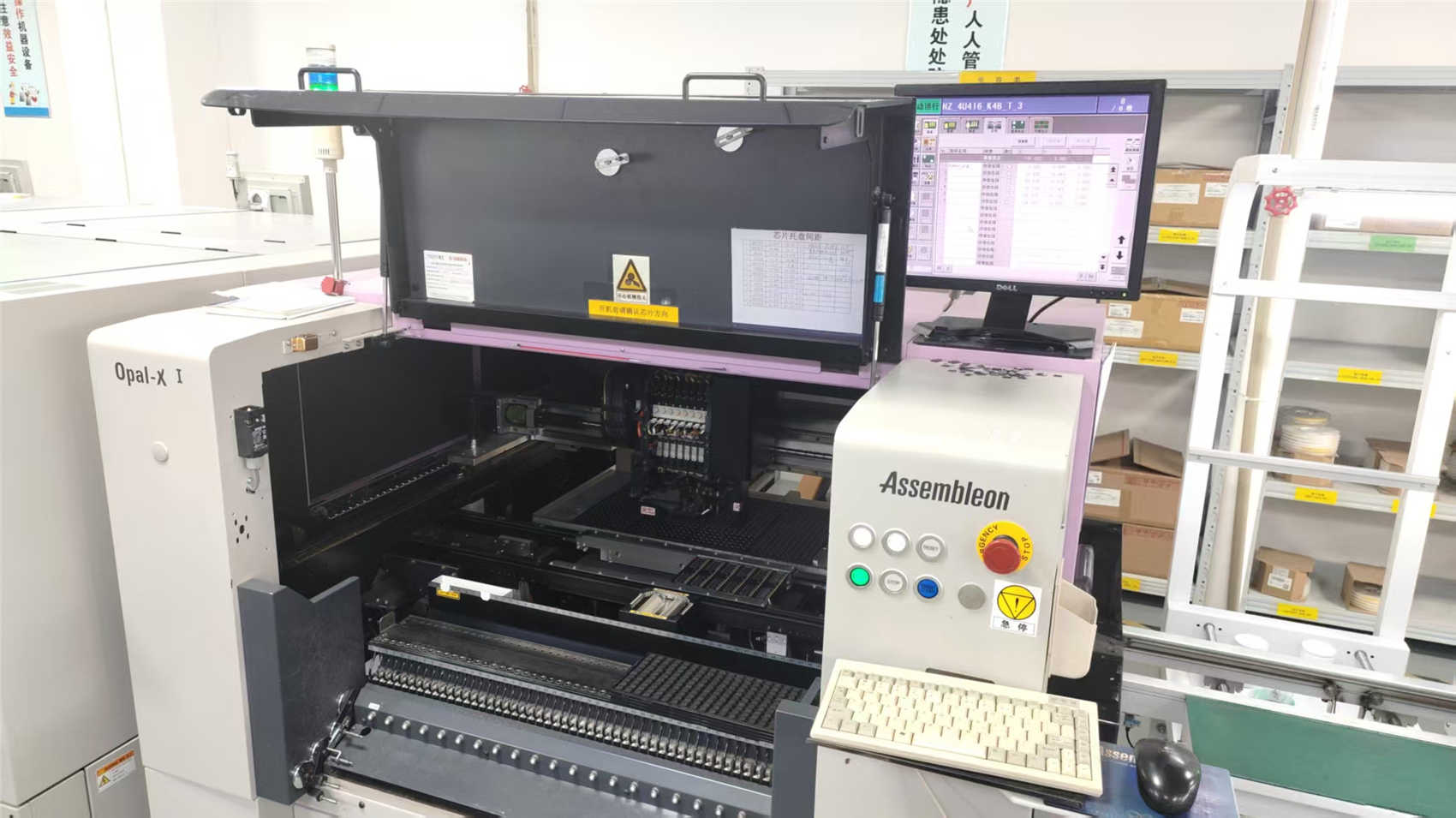
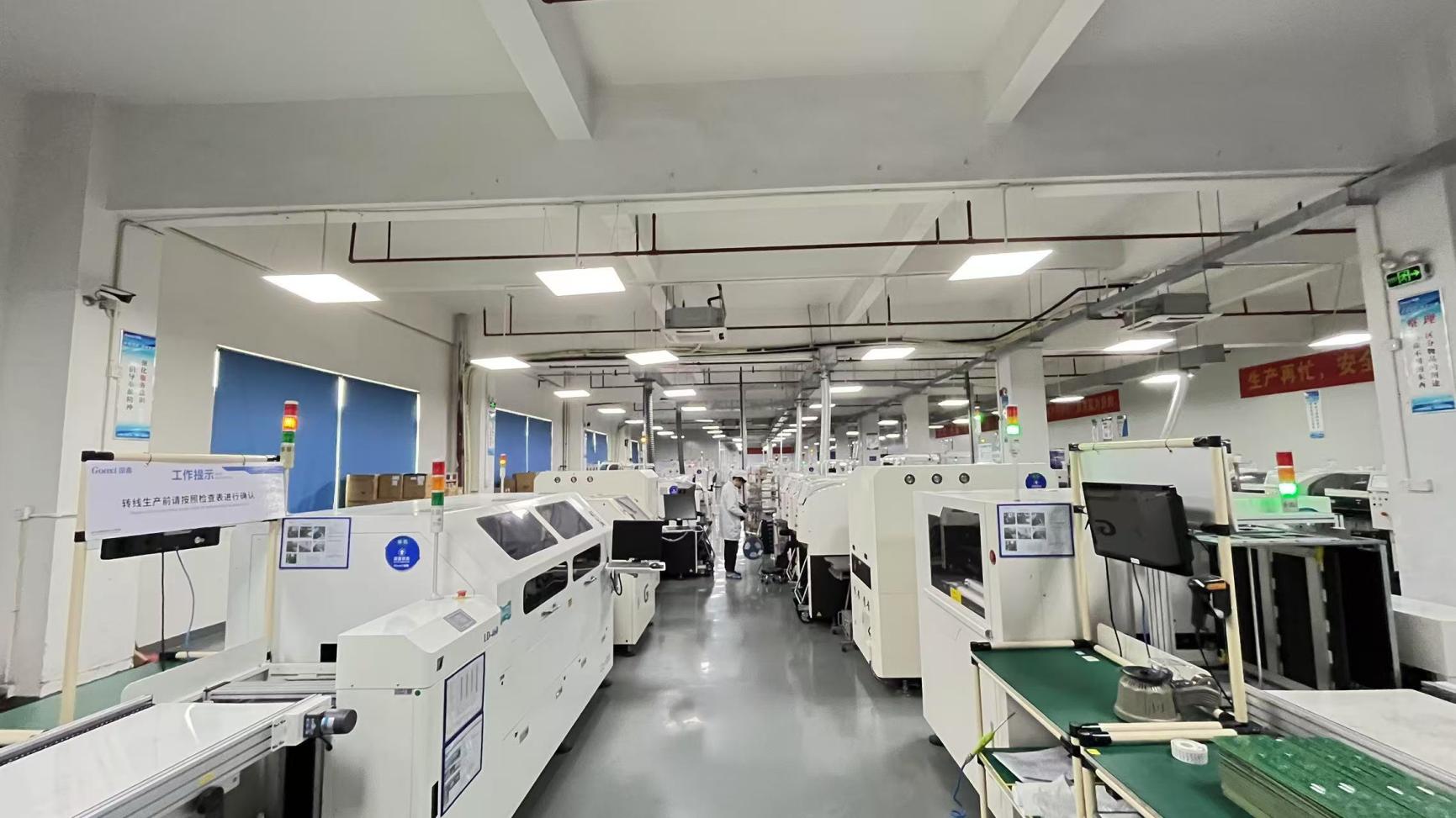
Founded in 2017, Nexora Intelligent Technology Co., Ltd. (operating under the global brand NexoraGPU) is a specialized manufacturer of high-performance GPU servers, AI computing systems, HPC clusters, high-speed storage servers, and customized data center infrastructure solutions. With a modern production facility covering 386㎡, we provide highly reliable and scalable computing platforms for enterprises, AI startups, research institutes, universities, cloud service providers, and data centers globally.
Leveraging 9 years of industry experience and 6 years of export experience, NexoraGPU has established a strong reputation in the global AI computing market. Our primary customers include AI solution providers, cloud computing companies, system integrators, research institutions, government projects, universities, and enterprise data centers.
Innovation remains at the core of our business. Our in-house R&D department consists of 128 experienced engineers specializing in server architecture, thermal design, AI infrastructure deployment, and hardware optimization. We offer comprehensive customization services, including GPU configuration, chassis design, storage architecture, networking solutions, branding, firmware optimization, and rack-level deployment. Last year alone, NexoraGPU successfully launched 86 new products, expanding our portfolio of AI servers, GPU workstations, edge computing systems, and enterprise storage platforms.
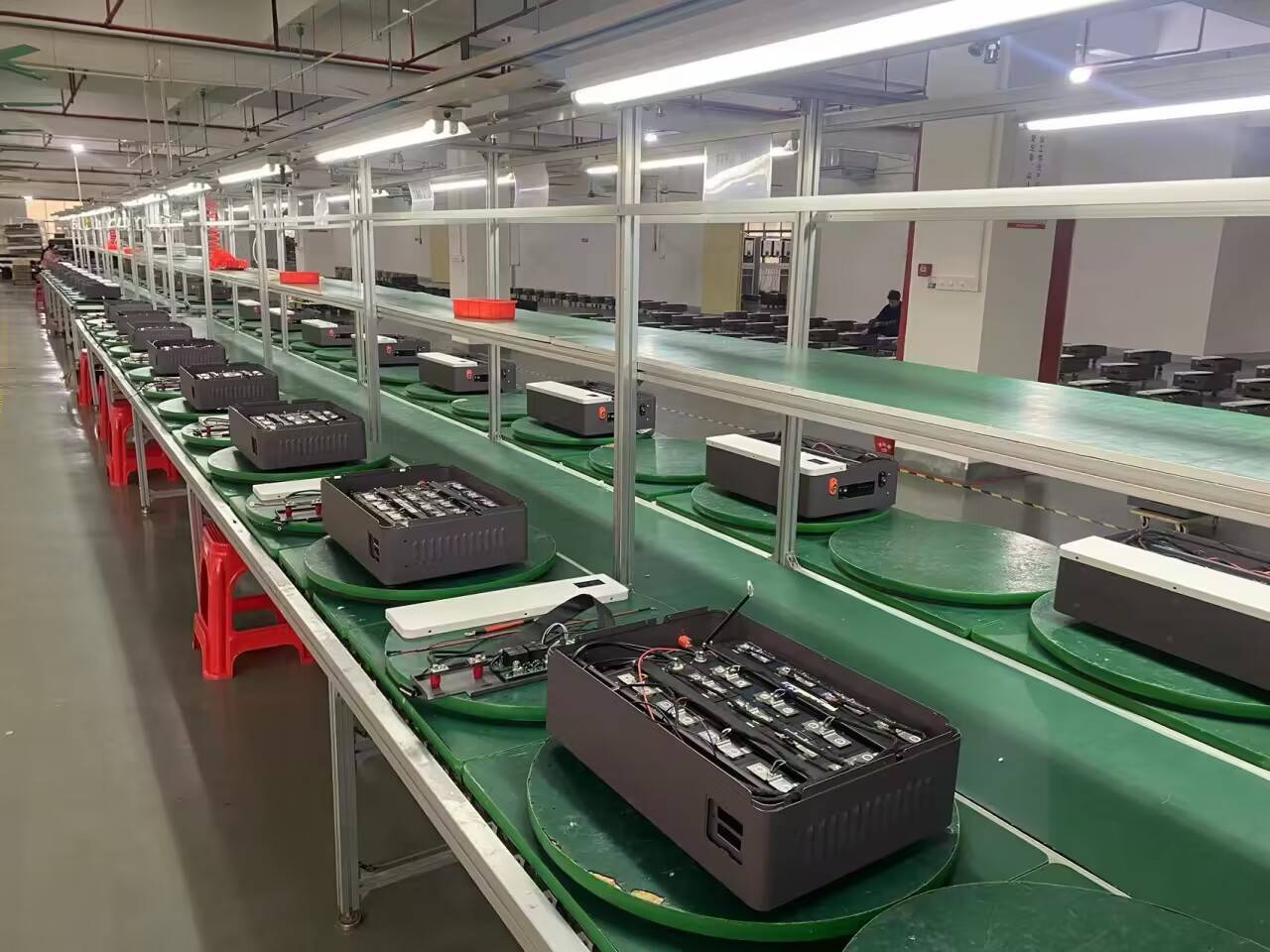
Reliability is the single most critical metric in heavy AI environments. At NexoraGPU, we maintain a rigorous quality management system supported by 42 professional quality control personnel. Every product undergoes comprehensive testing procedures, including component verification, burn-in testing, thermal performance testing, power stability testing, compatibility validation, and final system inspection before shipment.
Every GPU server configuration undergoes intensive computing tests, such as LINPACK benchmarks and full-load GPU stresses (e.g., DeepSeek workloads, TensorRT inference benchmarks), checking for system micro-faults.
We subject servers to thermal chamber stress testing, testing performance at elevated temperatures (up to 45°C ambient) to ensure the hardware's continuous thermal stability in modern hot-aisle containment systems.
All server exports are fully certified with international standards, including CE, FCC, RoHS, and CCC. This guarantees seamless integration into corporate network grids and meets local electrical safety laws.
To secure customer peace of mind, NexoraGPU runs global support agreements including 3-year hardware replacement policies, remote technical support via certified systems engineers, and localized logistics channels. Our partnerships with over 1,250 supply chain suppliers ensure immediate component sourcing even during periods of global silicon shortage.
The development landscape for AI workloads is expanding beyond traditional silicon. AI model sizes are doubling every few months, requiring hardware manufacturers to constantly innovate. At NexoraGPU, our 128 R&D engineers are designing for tomorrow's infrastructure demands:
Preparing for the transition to Gen 6 high-speed lanes, doubling bandwidth capacities to 256 GB/s. We are also integrating Compute Express Link (CXL) architectures to enable shared memory access pools between CPUs and accelerators.
Refinement of our chassis lineups to follow Open Compute Project (OCP) standards, ensuring rapid modular hot-swaps of components, minimizing MTTR (Mean Time to Repair) in hyper-scale data centers.
Developing hybrid systems using biodegradable dielectrics for two-phase immersion cooling systems, slashing data center PUE (Power Usage Effectiveness) to 1.1 or lower.
DeepSeek-R1 models require massive inference throughput and high memory capacity. We optimize our GPU servers (such as the G5500 series) with high-density DDR5 RAM configurations and configure high-bandwidth PCIe Gen 5 expansion slots to prevent communication bottlenecks between GPUs. Our R&D team also assists in configuring custom firmware profiles to ensure smooth driver-level GPU topology orchestration.
For standard configurations, shipping can be completed within 7 to 15 business days. For customized OEM/ODM architectures (requiring specific chassis modifications, proprietary liquid loops, or non-standard motherboard configurations), lead times range from 3 to 6 weeks, which includes prototype testing and thorough quality assurance verification.
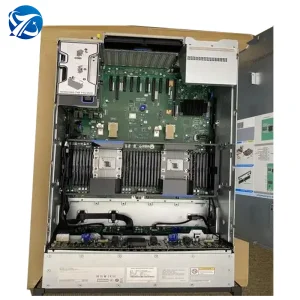
We design servers using high-CFM counter-rotating fans, dedicated copper heatsinks, and direct-contact heat pipes. For rack systems exceeding 15kW, we support hybrid liquid-to-air cooling manifolds and liquid-to-liquid cold plates to dissipate heat directly from the CPU/GPU dice, preventing thermal throttling during sustained workloads.
Our systems comply with CE (European Conformity), FCC (Federal Communications Commission), RoHS (Restriction of Hazardous Substances), and CCC standards. Our export department manages all technical files and certificates required for clearing customs without regulatory delays.
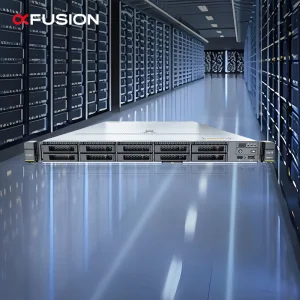
Yes. We manufacture enterprise NAS and SAN systems, including high-capacity 2U and 4U servers (e.g. FusionServer 5288 V6) configured with NVMe SSDs and SAS/SATA storage pools. These units deliver the extreme IOPS required to feed training pipelines without CPU starvation.
Discover further high-performance systems optimized for AI inference, containerized clusters, and robust computing virtualization.
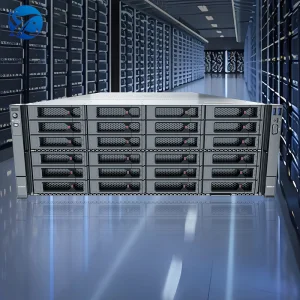
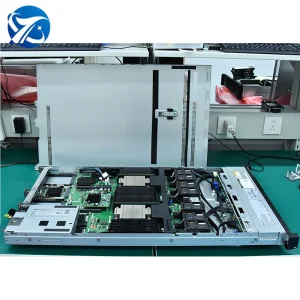
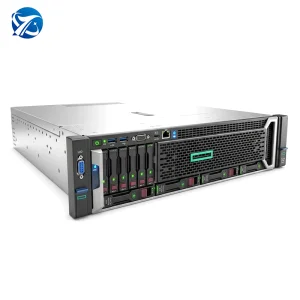
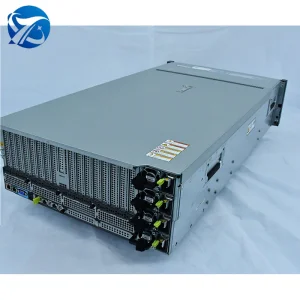
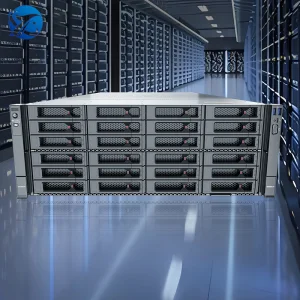
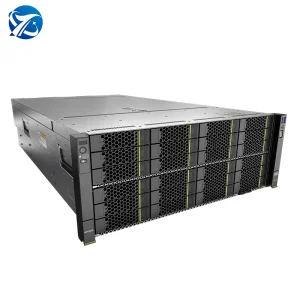
Explore our factory setup, assembly environment, and state-of-the-art testing floor. Every machine conforms to high standards of component checking, validation, and electrical stress screening.