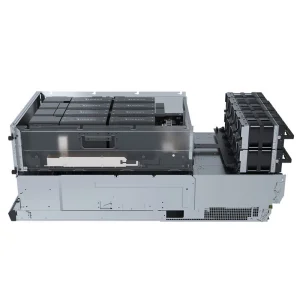
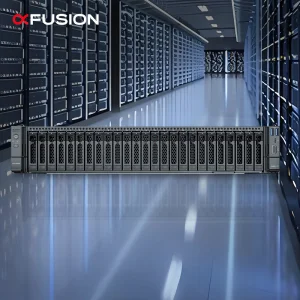
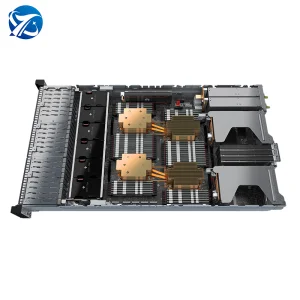
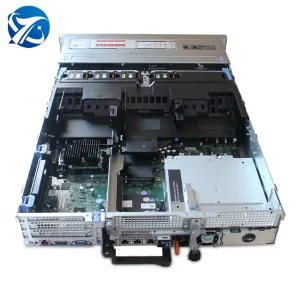
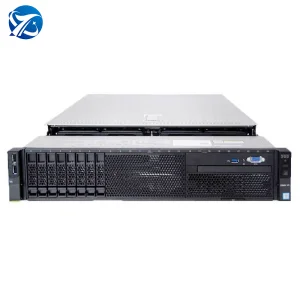
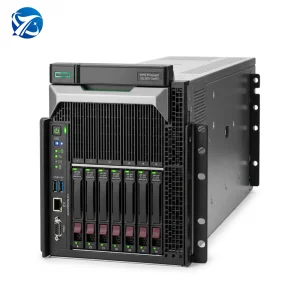
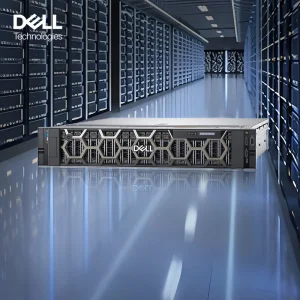
NexoraGPU
NexoraGPU
NexoraGPU
Engineered for HighVM Density, Advanced Thermal Dissipation, and Direct Hypervisor Integration
Founded in 2017, Nexora Intelligent Technology Co., Ltd. (Brand: NexoraGPU) is a specialized global designer and manufacturer of high-performance hardware systems. We focus on high-density GPU servers, AI compute architecture, enterprise virtualization infrastructure, High-Performance Computing (HPC) clusters, and hyperconverged storage systems. With a modern, state-of-the-art production facility spanning 386㎡, we engineering scalable hardware platforms tailored for enterprises, tier-1 hyperscalers, research institutes, and cloud service providers worldwide.
Backed by 9 years of industry experience and 6 years of global export operations, NexoraGPU has secured a leading position in the enterprise computing and AI market, recording an annual export revenue exceeding US$18 million. Our international footprint spans high-demand markets across North America, Europe, Southeast Asia, the Middle East, and South America.
NexoraGPU serves as a primary OEM & ODM manufacturer with direct export licenses. Our integrated supply network features over 1,250 qualified component vendors, ensuring continuous access to high-grade chipsets, memory modules, and specialized PCB components. This capability allows us to offer end-to-end hardware development, from conceptual electrical engineering to global freight delivery. Last year alone, NexoraGPU successfully engineered and launched 86 new products, highlighting our speed-to-market advantage in high-density rackmount architectures.
The global cloud infrastructure and virtualization market is undergoing a major technological realignment. Modern data centers are moving away from monolithic, single-hypervisor dependency towards highly customized, hybrid virtualization architectures. The rise of Kubernetes-managed container deployments running side-by-side with traditional virtual machines has altered the hardware requirements of hyperconverged infrastructure (HCI). Organizations require systems designed to optimize compute, networking, and memory utilization to offset hypervisor overhead and maximize VM density.
Recent changes in licensing policies for enterprise virtualization systems have increased global demand for hardware fully compatible with open-source and alternative hypervisors, including Proxmox VE, KVM, Nutanix AHV, and Microsoft Hyper-V. Hardware must run these systems natively with certified out-of-band management compatibility.
Legacy hypervisors consumed significant CPU cycles managing networking, security, and storage processes. Modern deployments utilize SmartNICs, IPUs, and DPUs (Data Processing Units) to offload virtual switch (vSwitch) and storage virtualization overhead, dedicating host CPU cores entirely to user workloads.
Compute Express Link (CXL) is redefining the physical limits of memory mapping in virtualization. OEM platforms now support CXL-enabled memory expansion modules, allowing virtualized hosts to access shared, low-latency memory pools, resolving the traditional VM RAM bottleneck.
NexoraGPU provides target hardware solutions customized to the unique operational environments of major industries. Our bare-metal configurations are engineered to solve specific network throughput, memory density, and physical space constraints.
| Sector / Vertical | Primary Technical Challenges | NexoraGPU OEM Hardware Architecture Solution |
|---|---|---|
| Telecom & 5G Edge Clouds | NEBS compliance, high jitter, short chassis space, and extreme temperatures. | Short-depth 1U/2U server nodes with front I/O interfaces, DC power supplies (-48V), and hardware-level SR-IOV optimization. |
| Financial High-Frequency Trading | Hypervisor latency jitter, sub-microsecond virtualization overhead, security isolation. | Single-socket low-latency architectures with core-pinning configurations, customized BIOS configurations, and low-latency network cards. |
| Healthcare Systems (HIPAA Compliance) | Legacy workload isolation, high-throughput imaging processing, stringent data security. | AMD SEV (Secure Encrypted Virtualization) / Intel SGX hardware-encrypted platforms with integrated hardware root-of-trust (RoT). |
| Smart Factories & Industrial IoT | Vibration, dust ingress, real-time operating system (RTOS) hypervisor mapping. | Ruggedized, fanless edge virtualization units supporting Type-1 hypervisors with industrial bus pass-through support. |
As virtualized workloads expand to include large language models (LLMs) and real-time data analytics, server hardware must adapt. NexoraGPU is co-developing next-generation layouts with silicon providers to integrate advanced processing technologies directly into our ODM rack systems.
Optimizing PCB signal integrity for high-speed PCIe Gen5 buses allows for double the throughput for NVMe arrays and high-performance network interface cards (NICs). DDR5 memory architectures provide the bandwidth needed to feed multi-core systems, supporting dense virtual machine environments without memory bandwidth degradation.
Integrating PCIe-based DPUs directly into the base chassis system allows data centers to deploy bare-metal style performance within a virtualized framework. By routing the network stack, virtual disk emulation, and hypervisor management agents directly to the DPU chip, host processors are freed up for user workloads.
As processor thermal design power (TDP) exceeds 350W-400W, traditional air cooling reaches its limits in high-density rack configurations. NexoraGPU is deploying direct-to-chip (D2C) cold plate liquid cooling systems as an option on customized 2U multi-node platforms to ensure reliable thermal performance under sustained virtualization workloads.
Virtualization servers run critical, multi-tenant workloads where physical hardware failure can affect dozens of virtual instances simultaneously. To ensure the reliability of our systems, NexoraGPU employs a dedicated team of 42 professional quality control personnel who oversee a multi-stage validation framework.
Our OEM/ODM platforms are compatible with VMware ESXi, Proxmox VE, Microsoft Hyper-V, KVM, Nutanix AHV, and Citrix Hypervisor. During our factory configuration process, we update the BIOS and UEFI variables to ensure out-of-box compatibility with your target virtualization operating system, including custom driver loading for IPMI/BMC controls.
We provide deep firmware customization services. Our in-house R&D engineering team can modify AMI BIOS and ASPEED BMC firmware to include custom bootsplash screens, specific cooling profiles, preset IP settings, custom fan curves, and custom Redfish/IPMI API features to match your remote management software.
Yes. All custom systems are built on chipsets and processors that support Intel VT-d / AMD-Vi (IOMMU) and Single Root I/O Virtualization (SR-IOV). This allows virtual machines to access physical PCIe devices, such as network adapters, GPUs, and storage controllers, at near bare-metal performance.
The standard lead time depends on the complexity of the design. For standard rackmount chassis modifications with custom branding, components, and BIOS presets, shipment occurs within 3 to 4 weeks. For custom PCB layouts and custom mechanical engineering projects, the timeline ranges from 8 to 12 weeks, including prototype creation (EVT/DVT phases) and final certification.
We design custom copper and aluminum heatsinks, utilize high-airflow counter-rotating PWM chassis fans, and use internal air ducts to channel cool air directly to high-heat zones (CPUs, memory, and NVMe drives). We also offer direct-to-chip (D2C) liquid cooling loops for ultra-high-density deployments.
Reliable Hardware Platforms for Deep Learning, AI Workloads, and Virtualized High-Density Storage
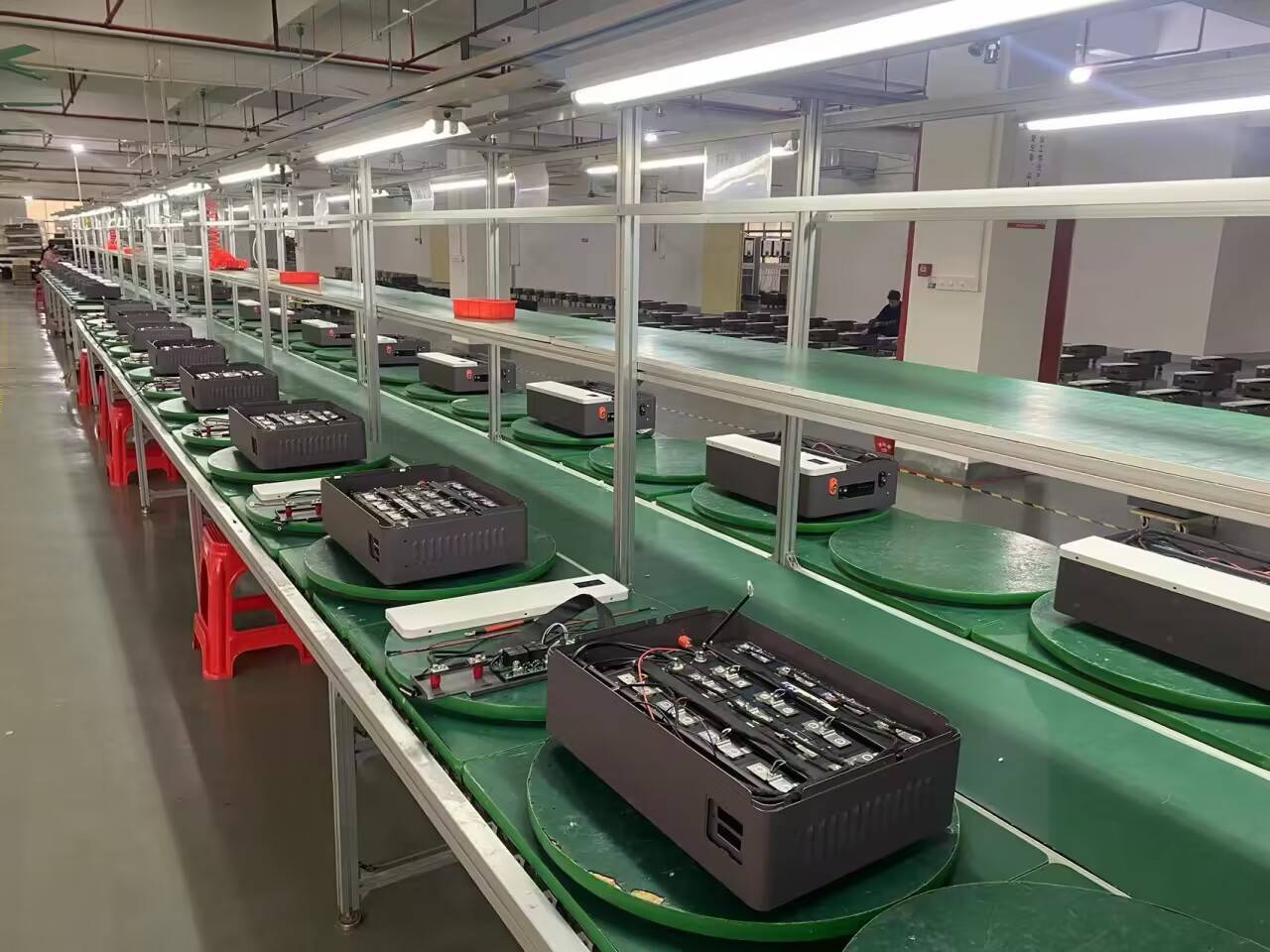
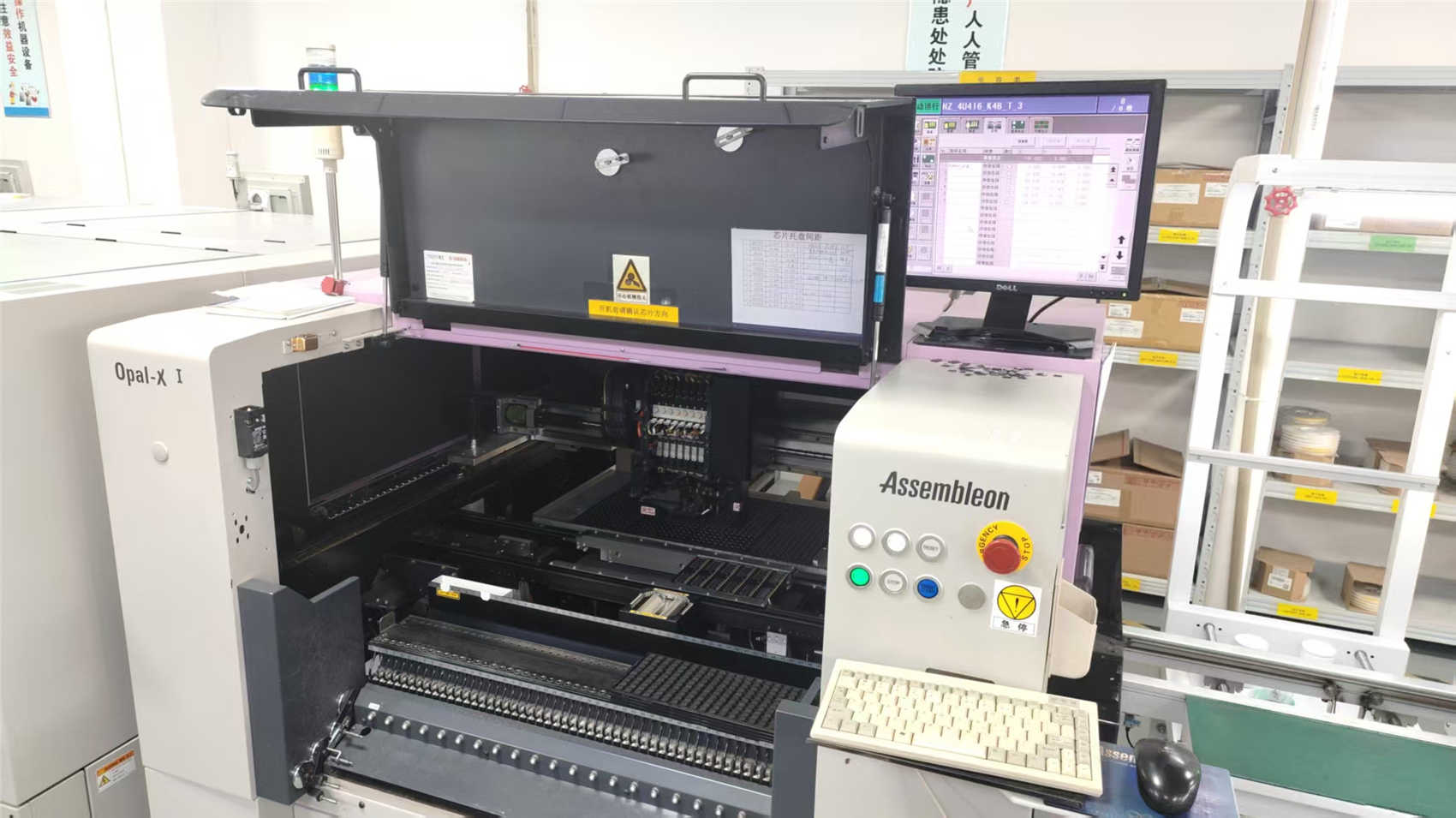
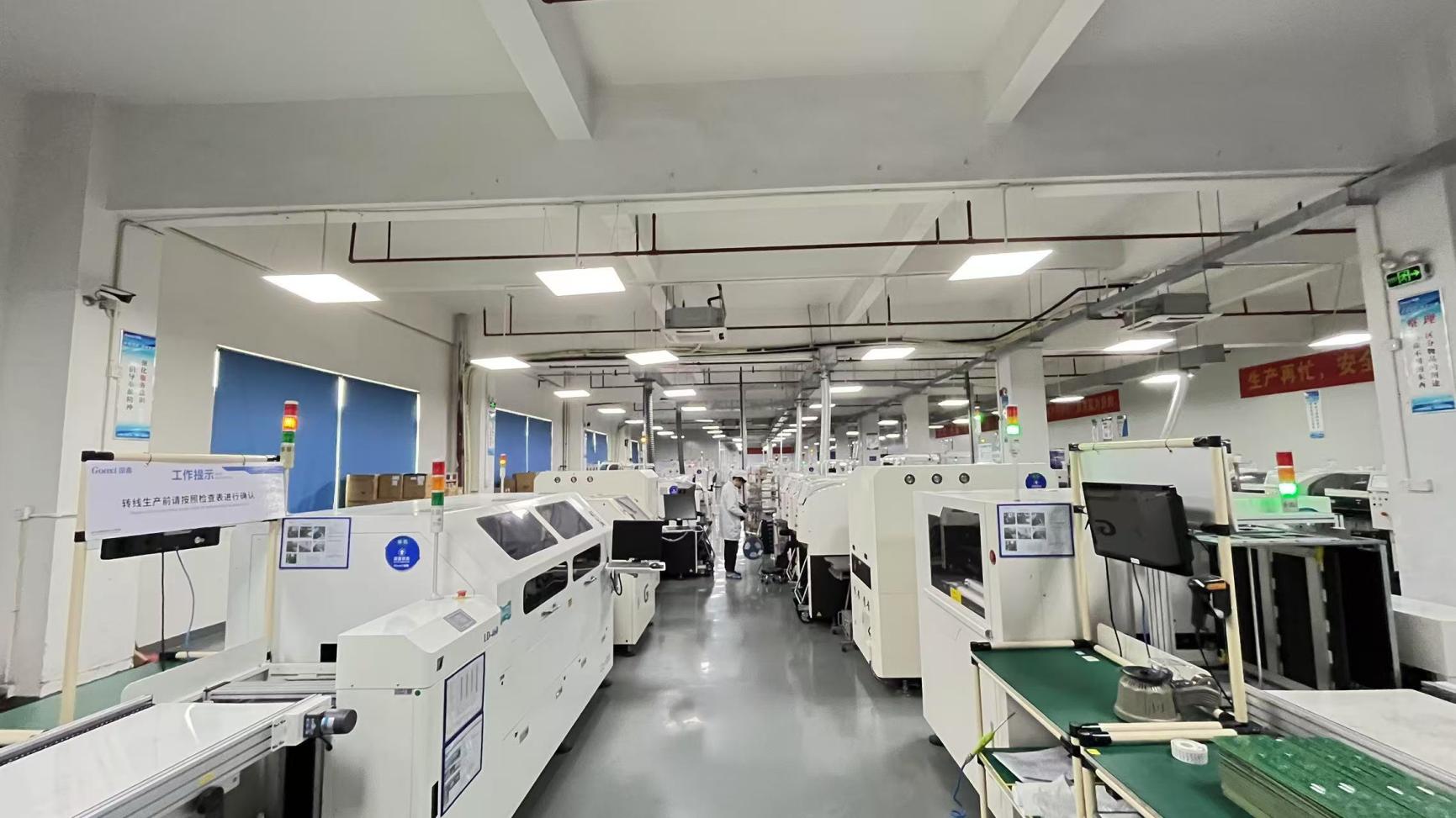
Nexora Intelligent Technology Co., Ltd. operates advanced electronic assembly, thermal engineering, and stress testing facilities. Below is a look at our production and development operations, where we configure and validate custom server systems for global delivery.