NexoraGPU
NexoraGPU
NexoraGPU
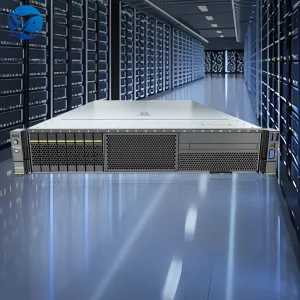
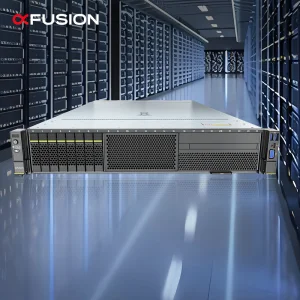
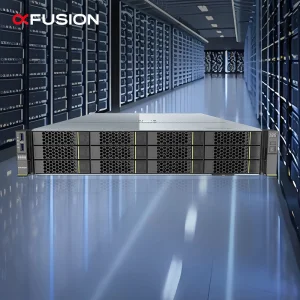
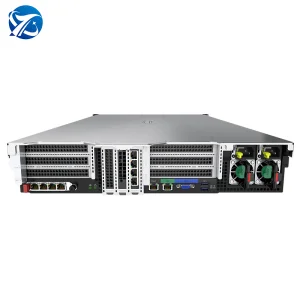
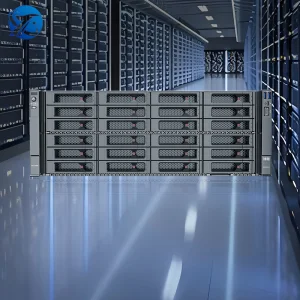
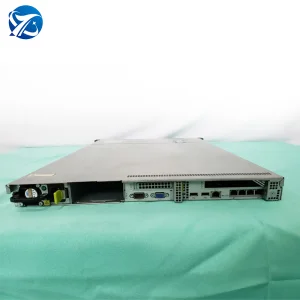
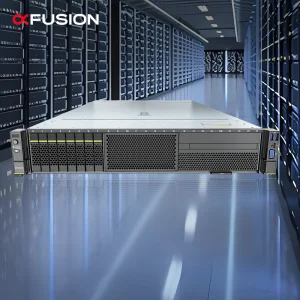
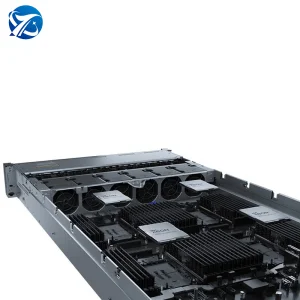
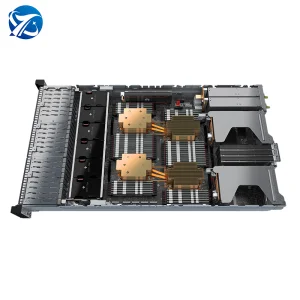
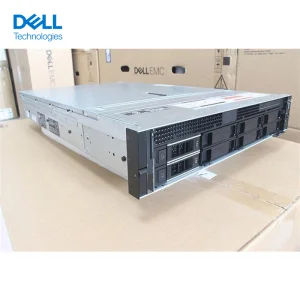
High-throughput servers designed to serve as MCU components, high-density transcoders, and video delivery gateways.
In an era defined by decentralized operations, real-time virtual communication has transitioned from an administrative tool to a mission-critical infrastructure component. High-definition (HD) audio-visual delivery, real-time spatial computing, and AI-enabled collaborative applications require unparalleled cloud-to-edge reliability. This technical whitepaper analyzes the market's architectural developments, explaining why hardware configuration and robust server design are central to today's OEM/ODM video conferencing ecosystems.
Historically, enterprise video conferencing relied on fixed proprietary endpoints with hardware-defined codecs. Today, software-defined networking (SDN) and WebRTC topologies run on dynamic cloud platforms, shifting the bottleneck from customer endpoints to server infrastructure. Delivering seamless video, real-time machine translation, noise suppression, and spatial audio to thousands of concurrent users requires a robust computing layer that can handle massive processing demands.
Modern visual collaboration involves three main infrastructure components: Multipoint Control Units (MCUs), Selective Forwarding Units (SFUs), and AI Transcoding Nodes. Our factory designs customized hardware architectures optimized for these specific functions:
Enterprise deployments demand continuous uptime. A single hardware failure during a global broadcast or critical remote medical consultation is not acceptable. Our production lines use strict validation and assembly techniques to build reliable, commercial-grade systems.
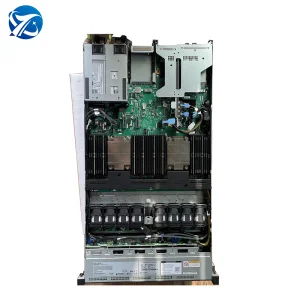
High-density video processing systems generate substantial heat. By utilizing optimized fan curves, custom airflow baffles, and redundant power supplies, our server frames maintain stable operational temperatures even under sustained maximum transcoding loads.
Our platforms support flexible hardware configurations. From energy-efficient Intel Xeon processors to multi-GPU servers designed for AI applications, we customize server architectures to match the processing requirements of specific client systems.
To support cloud-based video conferencing platforms, our servers feature redundant storage arrays and fast DDR5 memory configurations. This ensures efficient data buffering, reduces jitter, and prevents packet loss across high-volume connections.
Founded in 2017, Nexora Intelligent Technology Co., Ltd. (operating under the brand NexoraGPU) is a specialized manufacturer of high-performance computing platforms, AI infrastructure, and customized enterprise storage systems. Over our 9 years of industry experience, we have developed scalable solutions that power video conferencing networks, media transcoders, and AI-driven data centers globally.
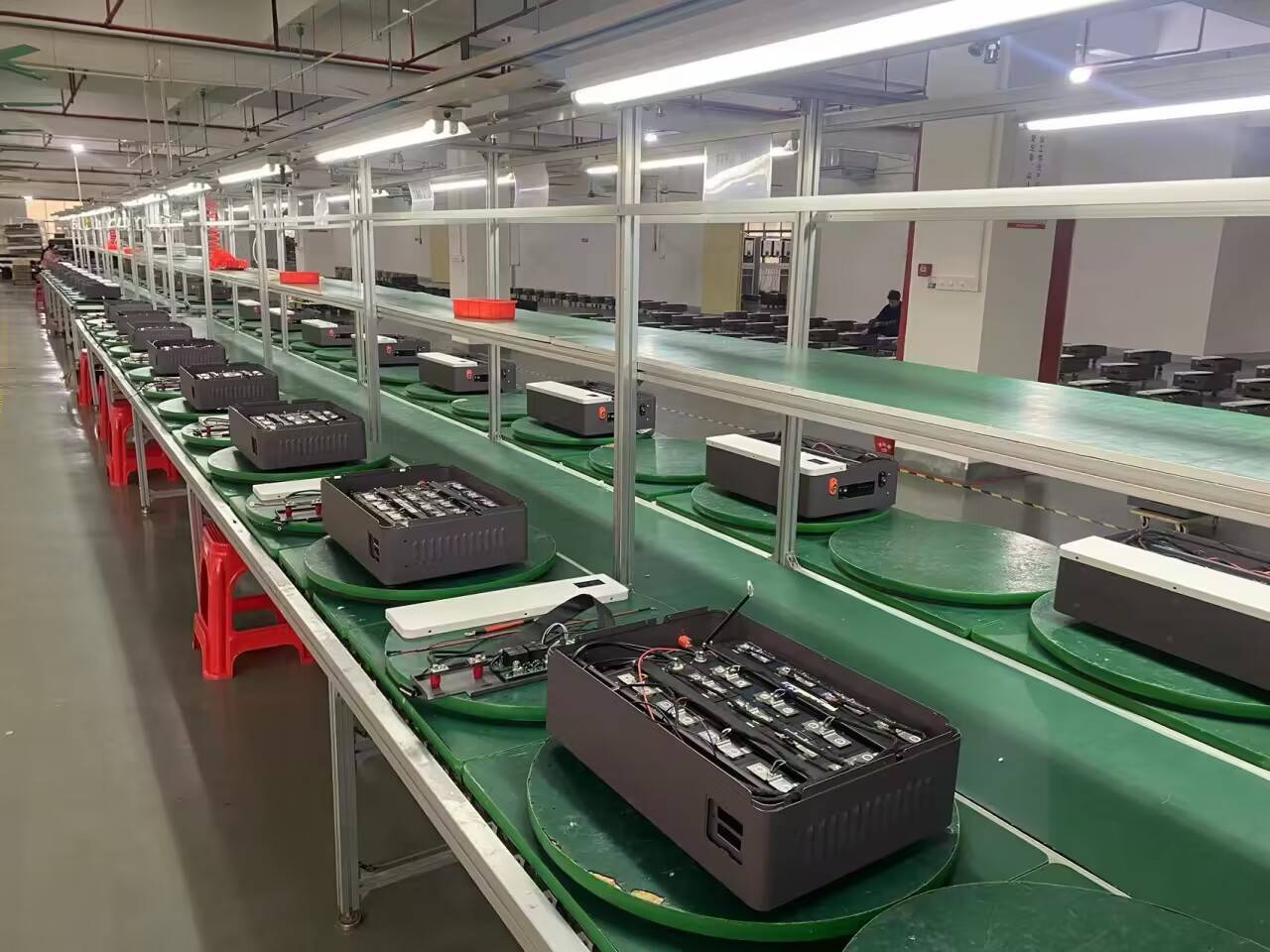
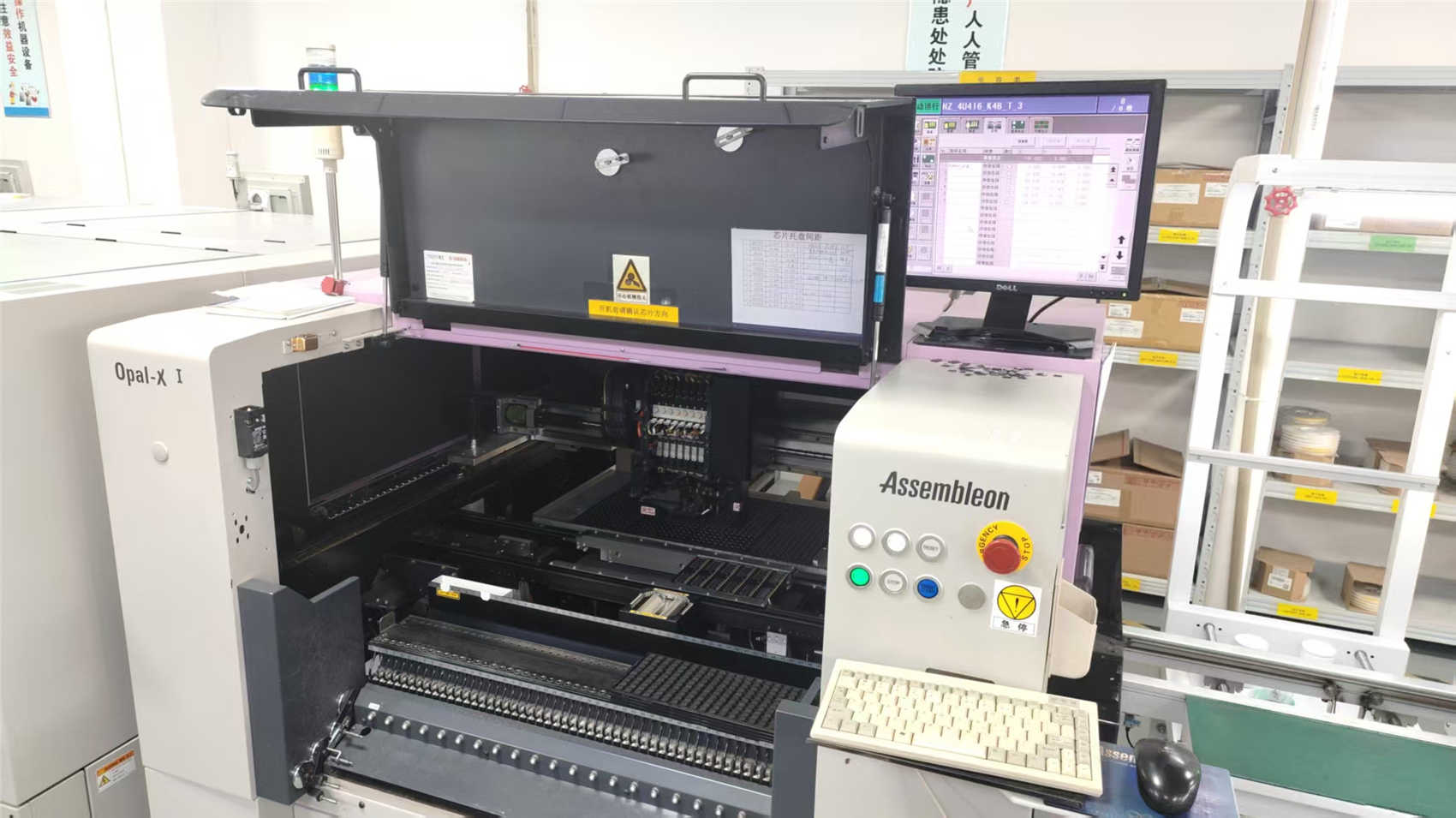
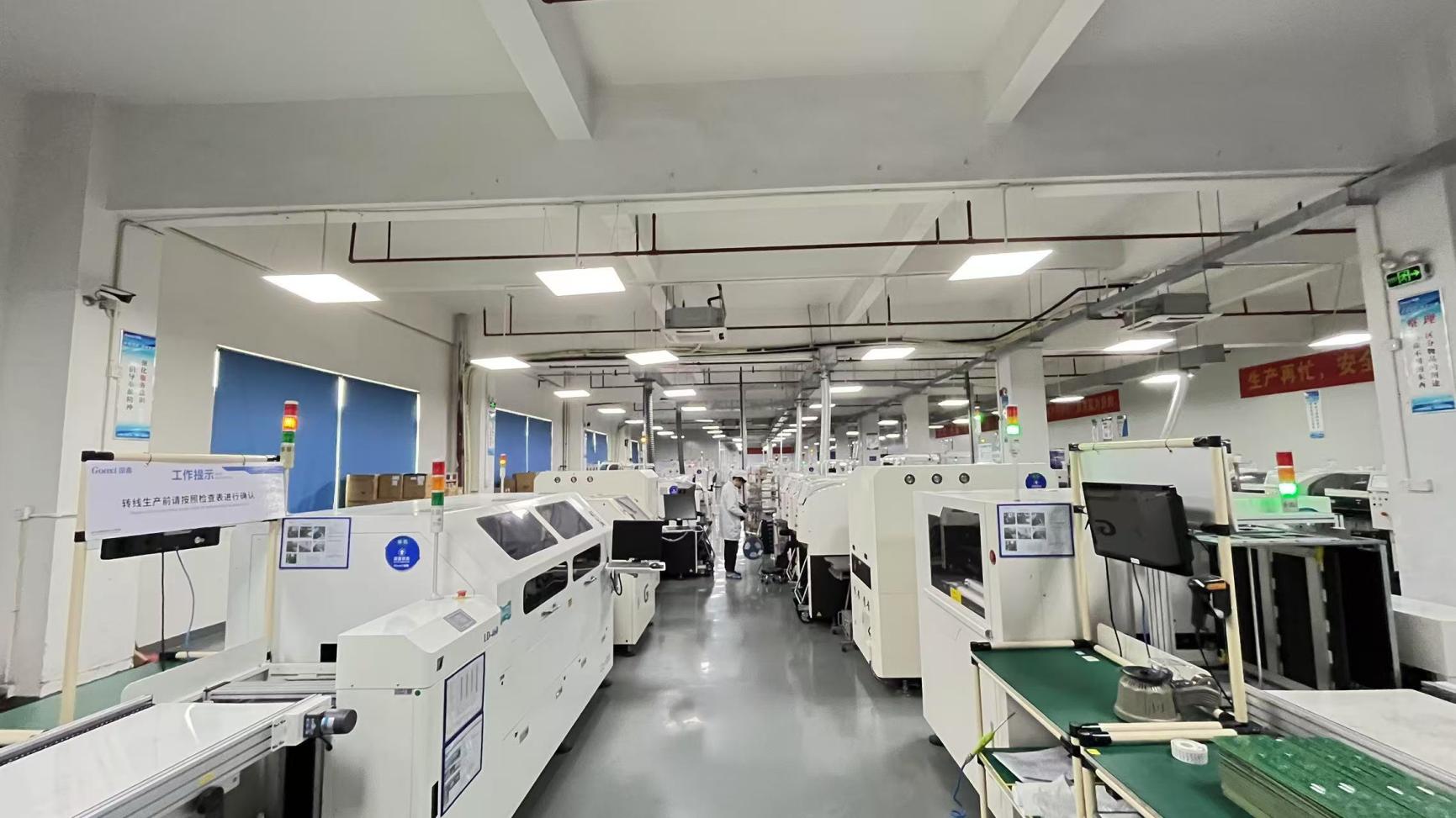
Our facility features modern assembly lines and testing equipment. Our team includes 42 quality control professionals who oversee an extensive validation process. Every unit undergoes component verification, burn-in testing, thermal performance analysis, and compatibility validation to ensure long-term reliability in demanding enterprise environments.
Backed by a network of 1,250 supply chain partners, we provide comprehensive OEM and ODM services. Our team of 128 R&D engineers handles physical design, hardware optimization, BIOS customization, and platform-level deployment support. We help enterprises translate software requirements into reliable, custom-configured hardware solutions.

Modern video conferencing systems must be tailored to the security and operational demands of specific industries. Our hardware platforms are designed to support a wide range of use cases:
Provides the computing capacity needed to host secure, private video conferences, run SIP/H.323 integrations, and manage unified communications for multi-national organizations.
Enables real-time virtual classrooms by supporting multiple high-definition video streams, interactive whiteboards, and recording functionality simultaneously.
Delivers the reliable, high-bandwidth processing required for remote clinical consultations, ensuring clear, low-latency video transmission for patient care.
Our GPU-optimized servers provide the parallel processing performance needed to run real-time AI features during live conferences, such as dynamic background replacement, automated translation, voice isolation, and facial tracking, with minimal latency.
We offer customization across multiple hardware layers, including physical chassis design, cooling configurations, power distribution options, custom BIOS settings, server-level branding, and tailored storage architectures.
Our quality control team runs every unit through a rigorous validation process. This includes long-run thermal chamber testing, component integrity checks, power fluctuation testing, and software compatibility runs prior to packaging and dispatch.
Yes. By utilizing the latest Intel Xeon CPUs and specialized accelerator cards, our hardware platforms provide the processing headroom needed to compress and decompress demanding modern video streams efficiently.
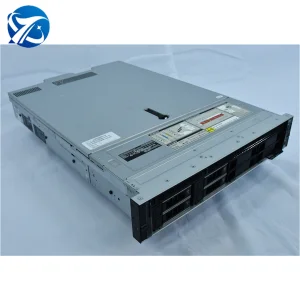
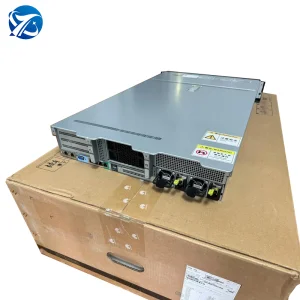
High-throughput servers designed to support large-scale media distribution networks and complex data processing workloads.