NexoraGPU
NexoraGPU
NexoraGPU
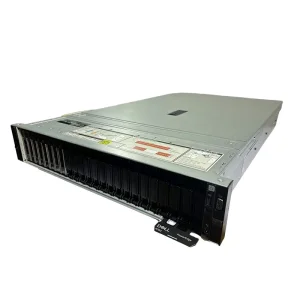
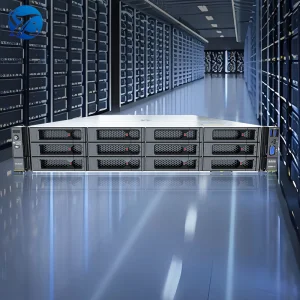
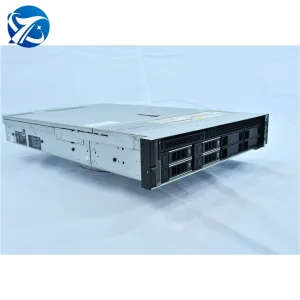
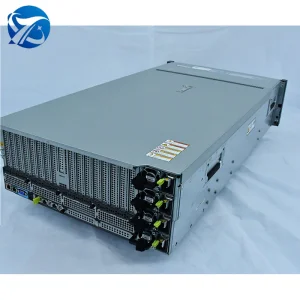
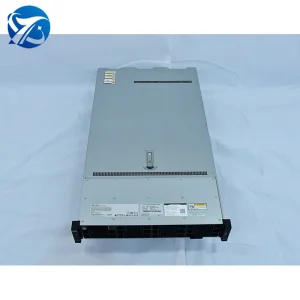
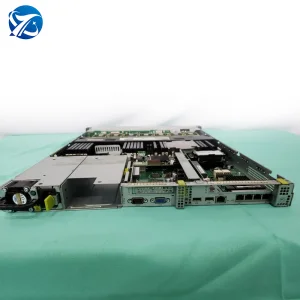
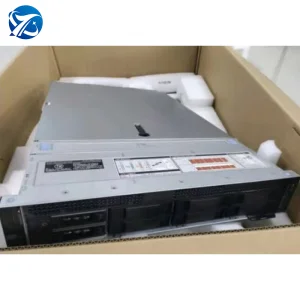
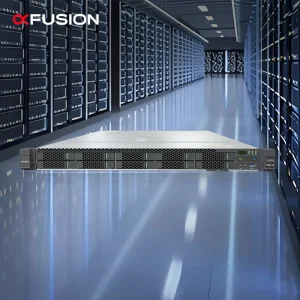
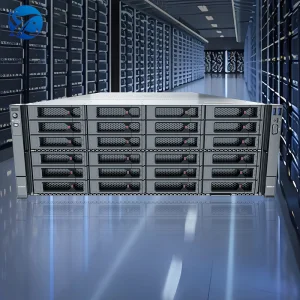
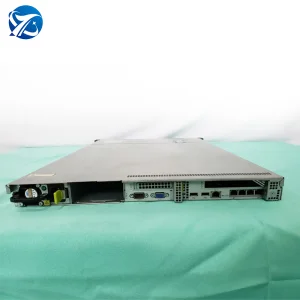
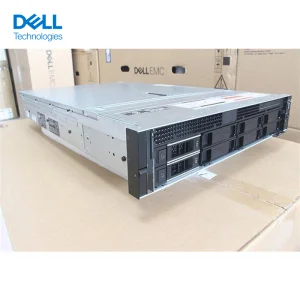
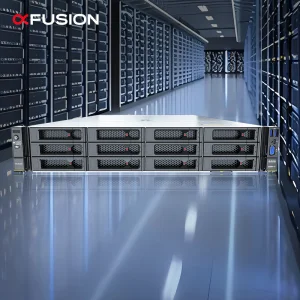
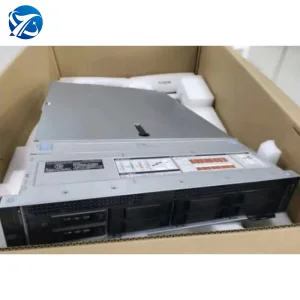
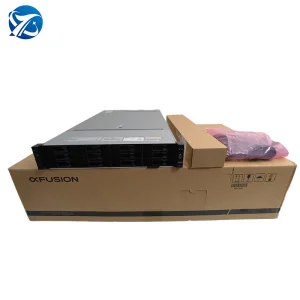
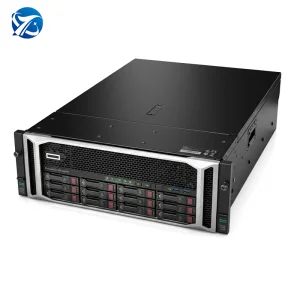
Explore our primary array of high-density rack computing units engineered to meet high-performance cloud operations and scale-out deep learning environments.
Founded in 2017, Nexora Intelligent Technology Co., Ltd. (Brand: NexoraGPU) operates as a leading system architecture designer and hardware customization supplier specializing in high-performance GPU server units, artificial intelligence computing platforms, HPC clusters, high-density storage arrays, and custom hyper-converged rack frameworks. Operating out of our specialized facilities spanning 386㎡, we cater to cloud service architectures, AI application developers, scientific laboratories, universities, and enterprise hubs around the globe.
Utilizing over 9 years of industry experience along with 6 years of overseas export capability, NexoraGPU serves compute-intensive markets globally with an export revenue exceeding US$18 million annually. We handle scale deployments across North America, the EU, the Asia-Pacific region, the Middle East, and Latin America.
Our quality infrastructure integrates 42 quality assurance specialists running physical and logical hardware evaluation pathways. Every single rack layout undergoes physical component inspections, automated burn-in evaluation cycles, localized hot-zone testing, supply efficiency validation, network interface line-rate stress checks, and configuration compliance checks before deployment. The verification processes incorporate 100% active operational diagnostics, structural component testing, and platform benchmarks to confirm system stability in critical, highly complex operations.
As a vertically integrated OEM/ODM specialist possessing direct export clearance, NexoraGPU operates an optimized supply architecture linked with more than 1,250 qualified hardware partners. This ecosystem enables rapid component sourcing for processing cards, specialized chips, dual-inline memory modules, custom brackets, and control microcontrollers. We assist enterprise systems integrators, deep learning providers, government-backed infrastructure providers, and hyperscale operations.
Development focus constitutes our main driving force. Our R&D division has 128 system engineers focusing on mechanical architecture, platform cooling parameters, system integration pathways, and tailored low-level firmware creation. Our capability options scale from simple structural adjustments to complex custom circuit board routing, chassis thermal configuration, storage array architecture, high-frequency signal routing, and software stack integration.
Within the previous calendar year, our engineers designed and validated 86 system variations, updating our selection of server architectures, high-performance computing systems, edge deployments, and high-density storage chassis. This development speed allows us to consistently align our offerings with the evolving compute demands of neural-network training, large language model deployment, high-throughput virtualization, and cloud environments.
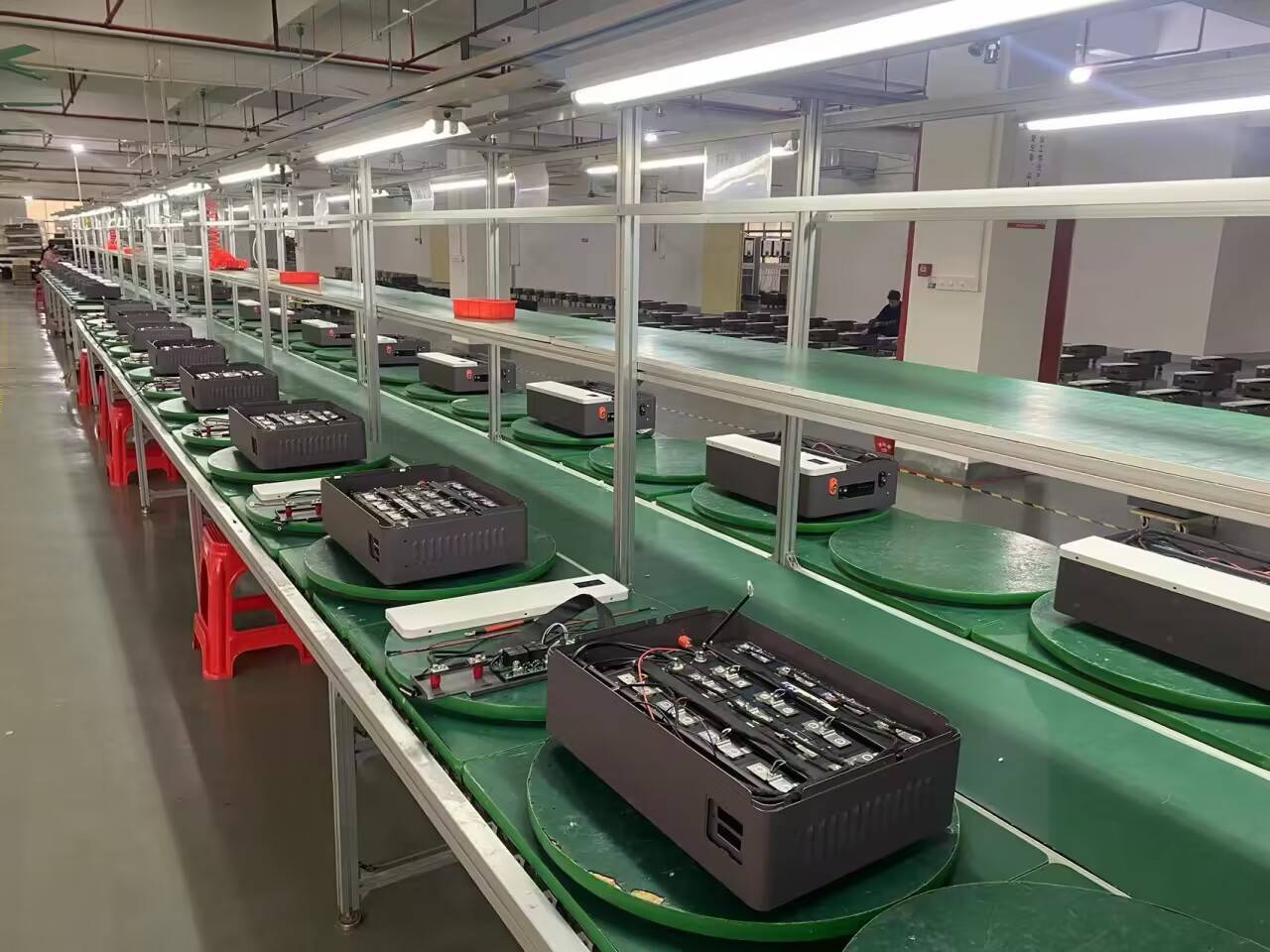

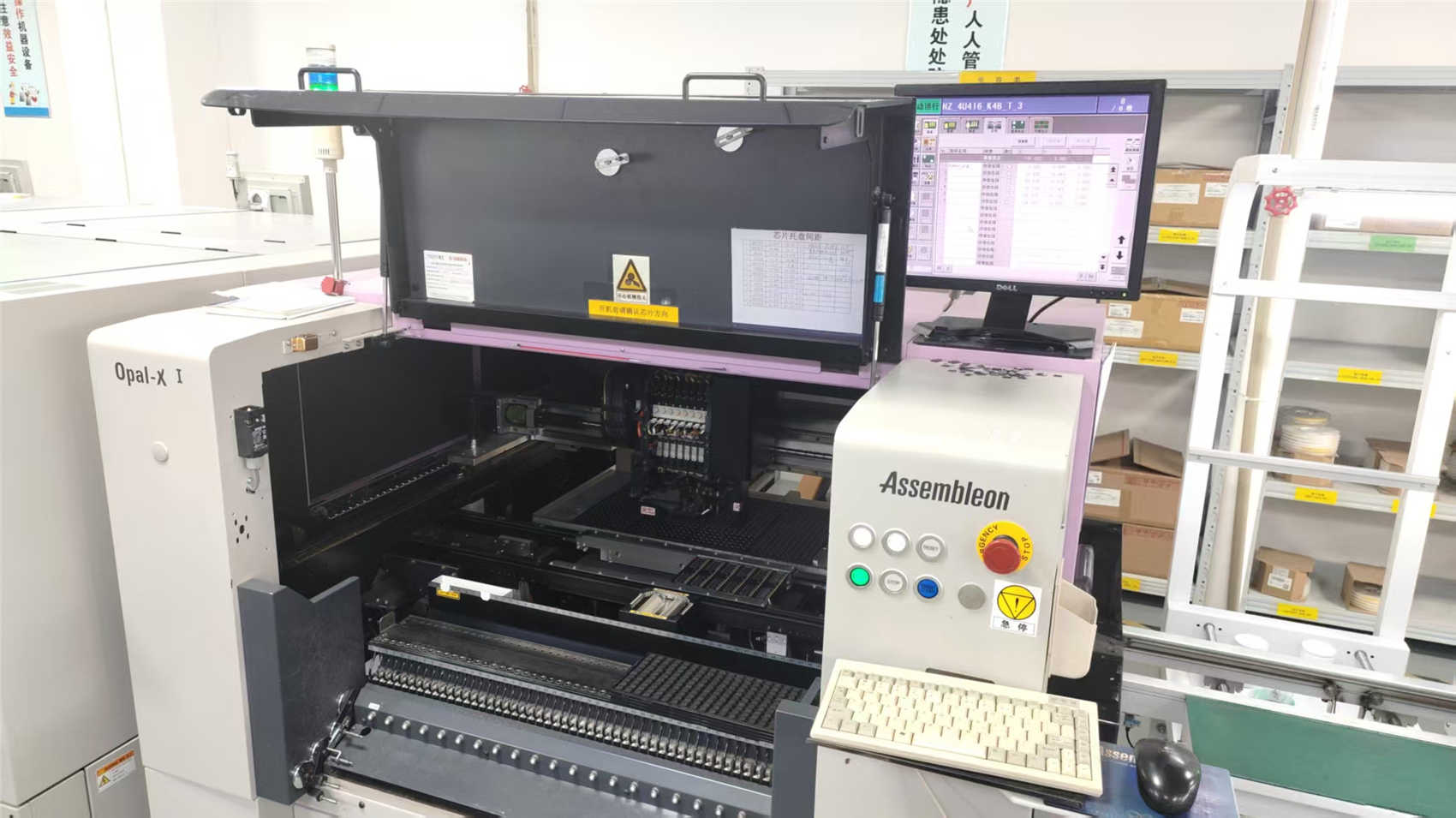
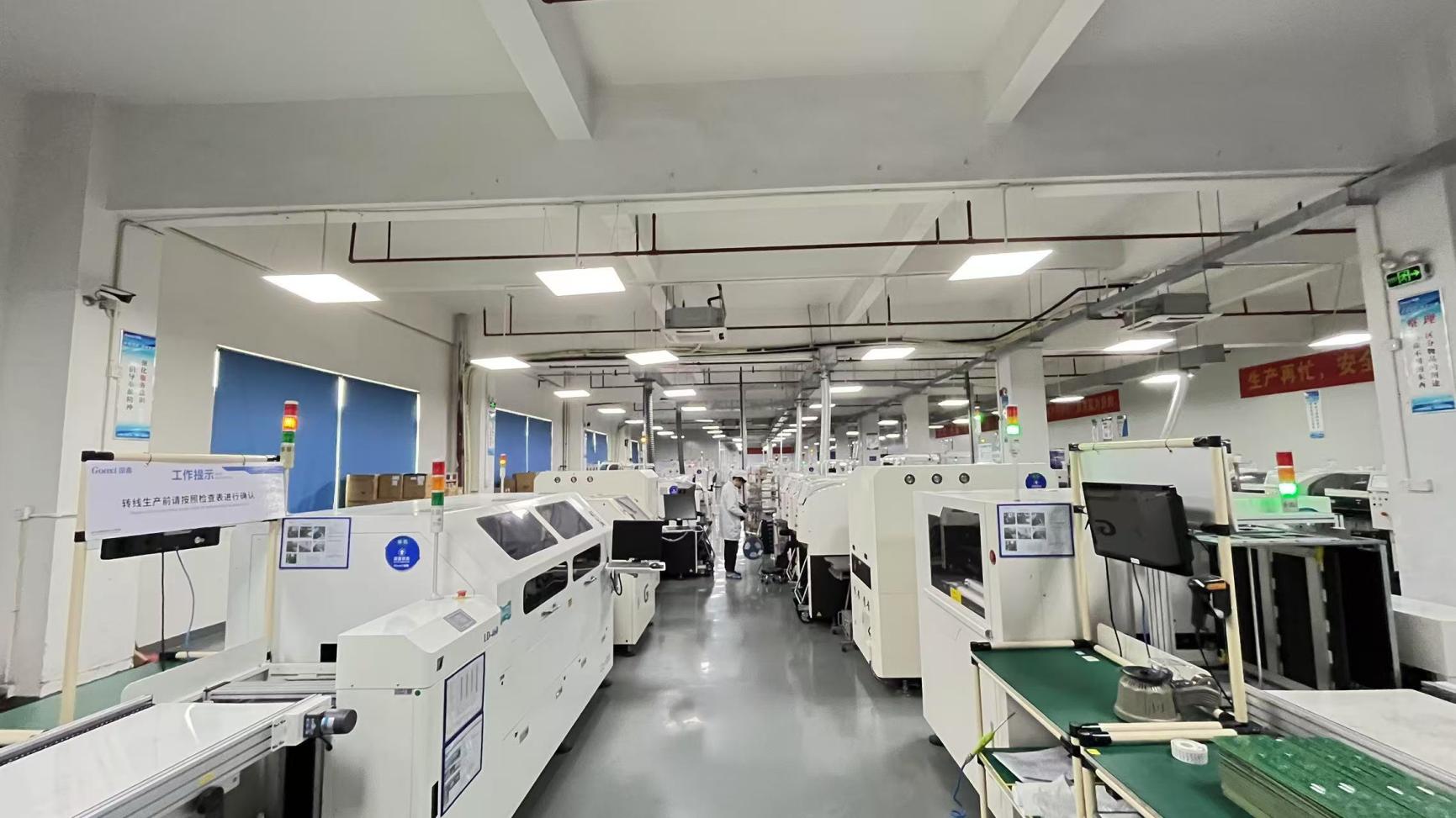
In modern enterprise data hubs, power distribution limits, cooling constraints, and floor utilization targets have shifted development focus. V7 computing systems address these engineering challenges. Compared to earlier generation structures, V7 servers deliver significant efficiency increases, advanced data-bus speeds, and optimized thermal performance. The shift to V7 infrastructure enables data centers to run intense processing operations, like deep neural-network calculations, scale virtualization, and heavy database applications, while managing thermal footprints and energy consumption.
A key innovation in the V7 design is the transition to high-speed PCIe Gen 5 and emerging PCIe Gen 6 data pathways. This advancement doubles the system throughput over earlier configurations, allowing network cards and storage modules to feed processing units without data bottlenecks. Consequently, organizations can execute real-time model analysis and high-performance file sharing at speeds that were once impossible. Furthermore, V7 power delivery systems utilize intelligent energy distribution arrays to reduce power conversion losses, helping operations lower utility expenses and meet green environmental benchmarks.
Thermal management is another core focus of V7 development. Advanced chassis airflow routing, custom heat-sink geometries, and liquid-cooling loop interfaces enable V7 systems to support high-performance processors without thermal throttling. In our standard 2U and 4U systems, optimized airflow baffles and variable-speed fan arrays keep critical microchips running at safe operational temperatures, even under sustained 100% computational loads.
Integrated PCIe Gen 5 configurations deliver 32 GT/s bandwidth per lane, allowing modern GPU accelerators and NVMe drives to work without latency penalties or bandwidth bottlenecks.
Custom-engineered thermal channels, copper vapor chambers, and variable fans dissipate high thermal loads, supporting up to 350W+ processor TDPs.
Platinum and Titanium level redundant hot-swap power modules (up to 96% efficiency) utilize advanced power factor correction to reduce grid footprint.
NexoraGPU provides comprehensive system configuration engineering, avoiding generic layouts. We design enterprise servers from the chassis level up, aligning the final deployment with each customer's specific operational needs. Our engineering process accommodates unique component requirements, customized BIOS parameters, modified cabling routes, and specific airflow requirements.
Analyzing compute targets, thermal conditions, and spatial boundaries.
Evaluating airflow velocity and heat dispersion with advanced modeling tools.
Constructing functional system mockups for physical verification.
Executing 100% capacity stress-tests and platform validations.
Final assembly, software integration, and delivery packaging.
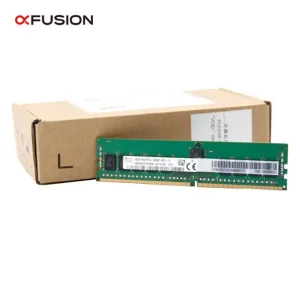
We configure memory pathways and storage interfaces based on target application environments. For database setups requiring high input/output operations, we integrate PCIe Gen 5 NVMe arrays with optimized direct memory access paths. For virtualized hypervisors, we adjust dual-socket board configurations to support massive DDR5 system memory volumes (up to 96GB/6400MHz modules) to maximize virtual machine density.
NexoraGPU R&D engineers modify system BIOS profiles, secure platform settings, and manage BMC management software interfaces. We assist customers with custom system startup screens, customized fan speed parameters for unique environments, and security profiles that align with corporate network standards. This level of control ensures smooth integration with existing enterprise automation frameworks.
As processor heat signatures and computing densities rise, NexoraGPU engineers are integrating advanced liquid-cooling designs into standard rack footprints. We are currently implementing direct-to-chip (D2C) liquid circulation blocks alongside traditional heat exchanger manifolds. These hybrid designs allow us to maintain reliable chip temperatures on high-draw processors, lowering total facility cooling costs and optimizing compute density per square foot.
Our future development cycles include integration for upcoming PCIe Gen 6 and CXL 3.0 technologies. The inclusion of CXL 3.0 allows for unified memory spaces between the system processing units and hardware accelerators, greatly reducing latency in large database deployments. We are also building AI-driven monitoring software into our baseboard management controllers, enabling hardware tracking to predict potential module failures before they cause operational downtime.
Operating a global data infrastructure requires adherence to diverse regulatory and compliance frameworks. NexoraGPU structures its manufacturing procedures in compliance with CE, FCC, RoHS, and UL safety standards. This simplifies deployment for our partners, ensuring that our customized servers integrate smoothly into regional power grids and comply with local data center regulations.
Our network of 1,250 supply chain partners helps insulate clients from component shortages and market disruptions. By maintaining multiple supplier sources for critical sub-components (such as system management chips, power delivery modules, and raw circuit boards), we secure predictable manufacturing schedules and consistent lead times. For enterprise scale operations, this supply chain reliability prevents project delays and maintains hardware deployment timelines.
Our V7 rack designs excel across a wide variety of industrial application scenarios:
Optimized PCI routing enables fast data transfers between system memory and co-processors, speeding up neural network processing and deep learning model training.
High memory density configurations and energy-efficient power conversion arrays allow providers to maximize compute output per rack unit.
Rugged structural frames, dust filtration options, and active thermal management deliver stable operation in factory automation and edge telemetry hubs.
Review our high-speed accelerator platforms, customized storage modules, and related infrastructure components designed for modern system configurations.