NexoraGPU
NexoraGPU
NexoraGPU
Supervisory Control and Data Acquisition (SCADA) systems represent the foundational core of modern smart factories, infrastructure systems, and energy networks. As the industrial world transitions from legacy, siloed automation environments to IIoT-enabled cyber-physical ecosystems, the underlying hardware supporting these operations demands unprecedented computing power, high availability, and structural resilience.
Modern SCADA systems no longer run purely on low-power programmable logic controllers (PLCs) and isolated local computers. Today's architectures rely on virtualized server environments, real-time database historians, and machine learning models running at the edge. Sourcing robust host computers, storage structures, and processing units is critical to avoiding downtime in vital applications such as wastewater treatment, power grid distribution, chemical manufacturing, and maritime operations.
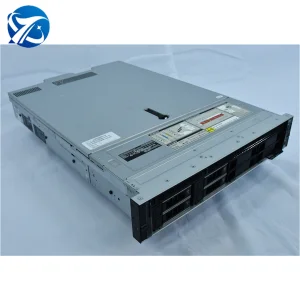
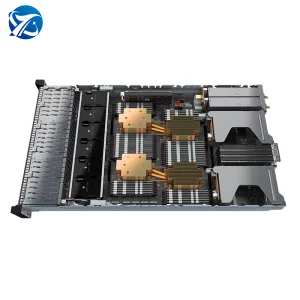
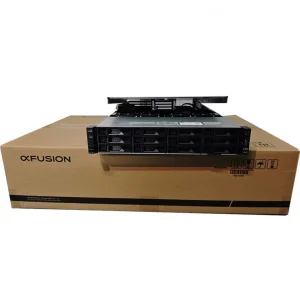
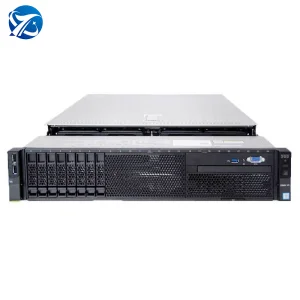
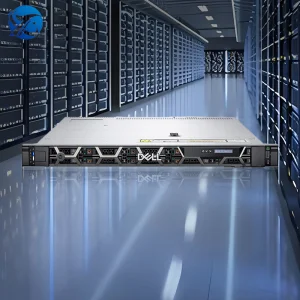
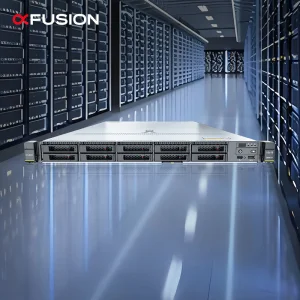
As leading OEM/ODM suppliers, we recognize that SCADA deployment involves complex variables. Systems must handle continuous telemetry streams using protocols like Modbus, OPC UA, and DNP3. Our high-performance servers, including advanced xFusion FusionServer and Dell PowerEdge platforms, are engineered to serve as primary controllers, database nodes, and visualization platforms for the world’s most demanding industrial environments.
Founded in 2017, Nexora Intelligent Technology Co., Ltd. (Brand: NexoraGPU) has established itself as an authoritative manufacturer and designer of high-performance computing hardware solutions. With our robust R&D engineering resources and manufacturing capabilities, we support complex SCADA architectures, machine learning clusters, and massive data storage installations globally.
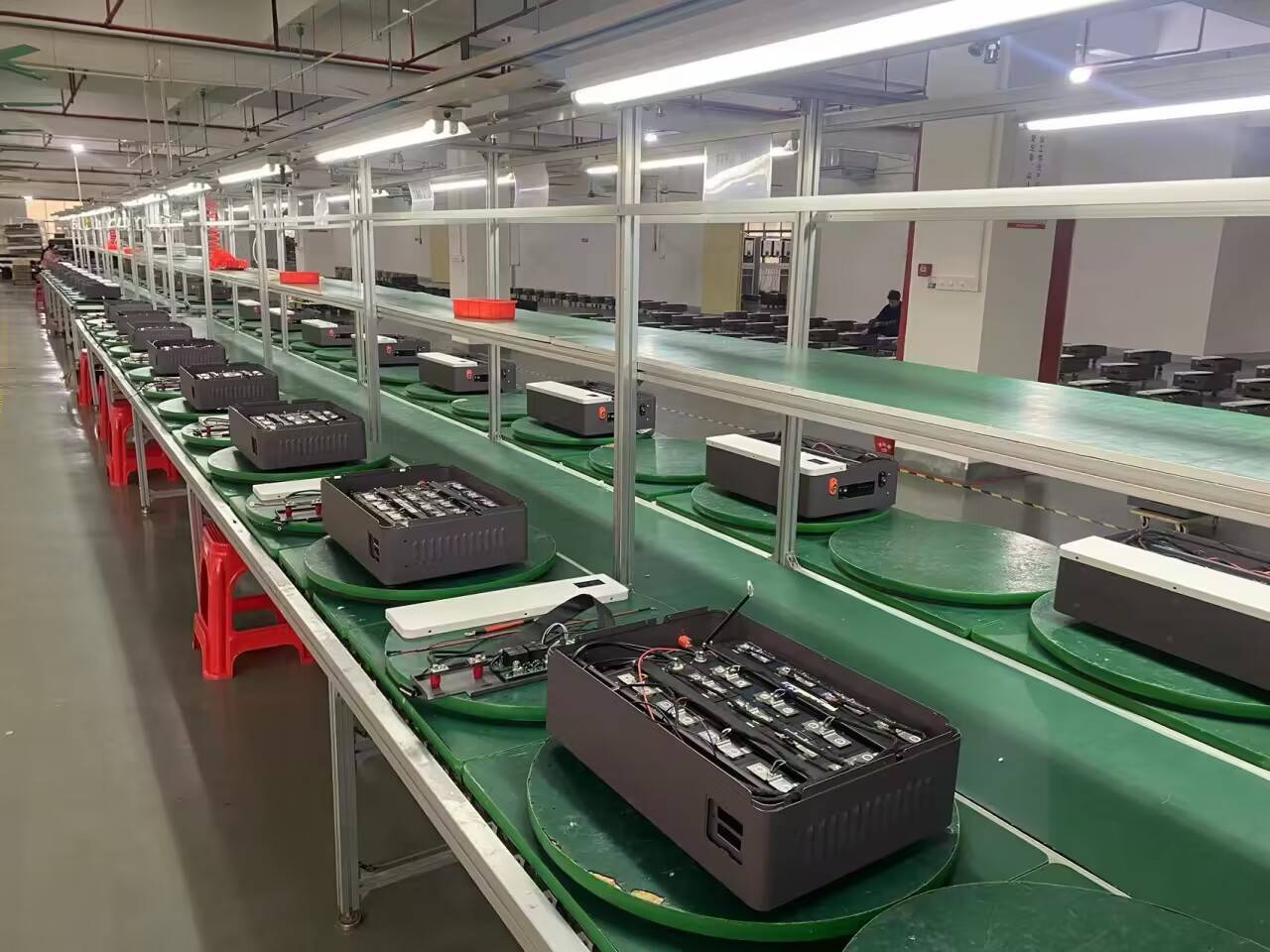
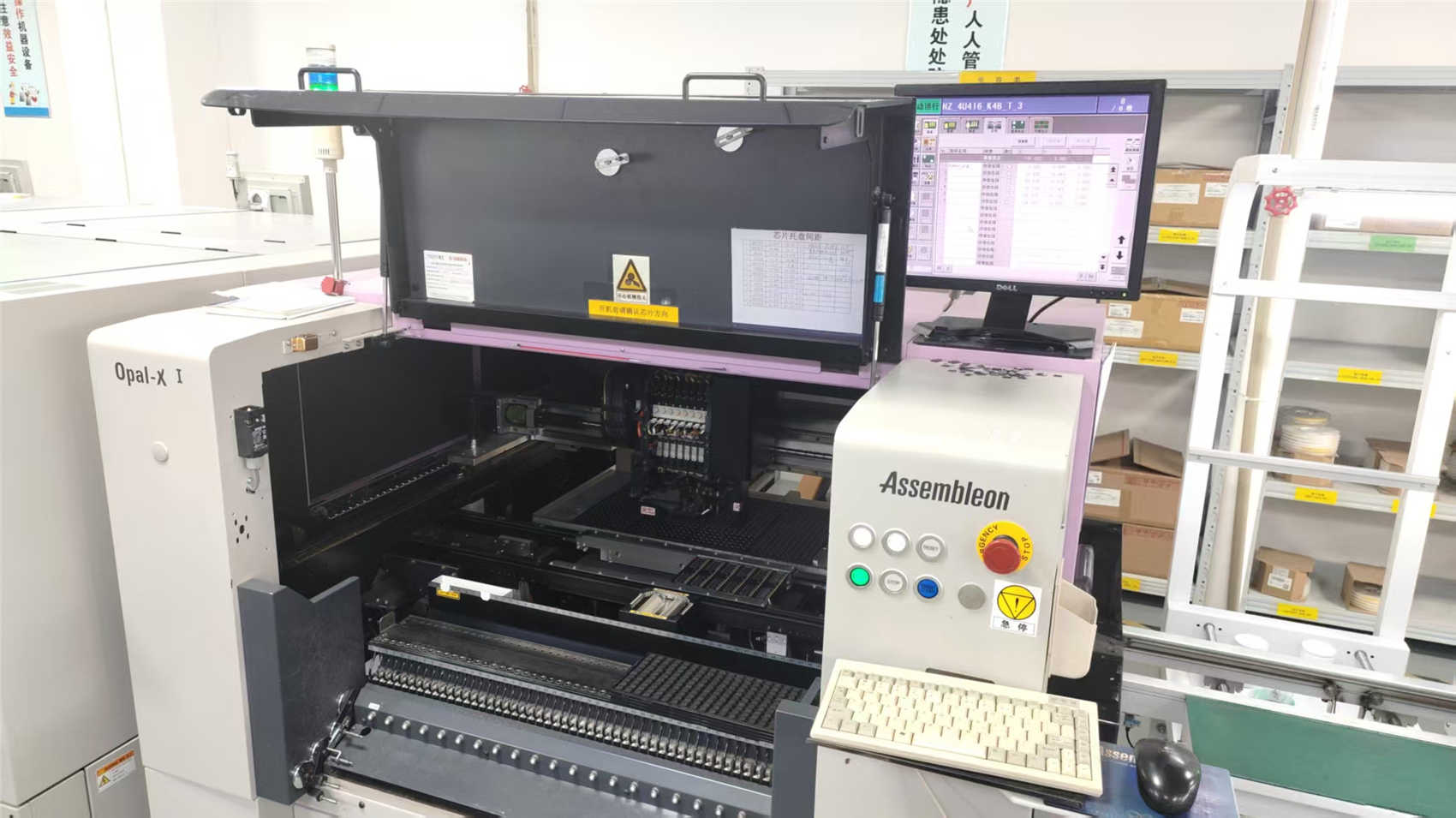
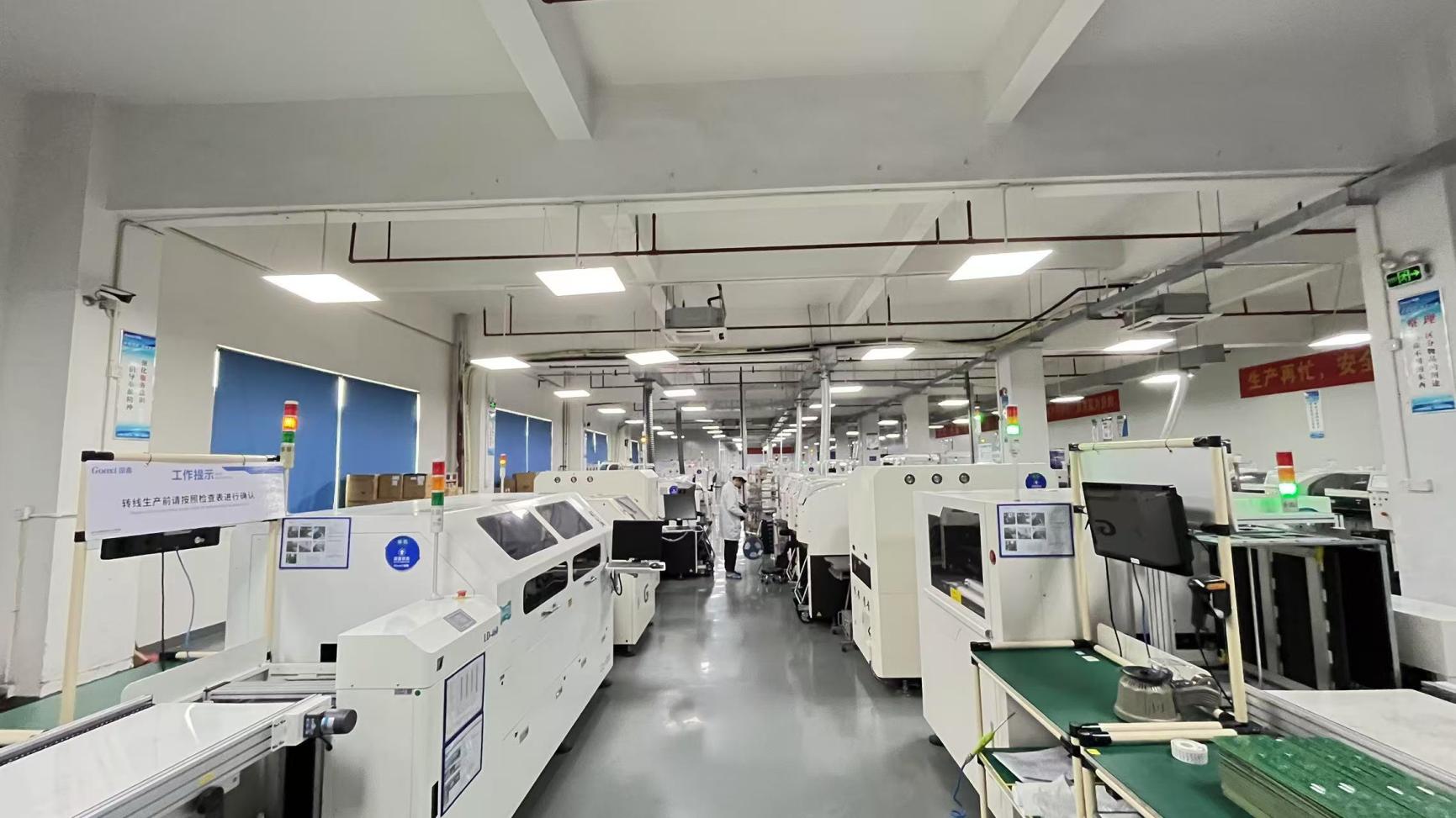
Operating a dedicated precision facility of 386㎡, NexoraGPU focuses on high-precision engineering and reliability. With 9 years of industry experience and 6 years of export experience, we maintain a robust quality management framework managed by 42 professional quality control personnel. Every device, from memory modules to multi-socket GPU servers, undergoes comprehensive validation checks before export.
Our Quality Control workflow consists of 100% functional testing, prolonged thermal aging tests, component validation, and hardware-level stability checks. This rigorous process ensures that the computing equipment we deliver functions reliably as the backbone of your supervisory control infrastructure.
SCADA applications vary widely. Whether your operations require compact short-depth rackmount servers for tight electrical cabinets, high-density NAS storage for extensive sensor history preservation, or AI-accelerated platforms for vision-based quality control, our 128 R&D engineers can design custom configurations tailored to your specifications.
Last year alone, NexoraGPU successfully launched 86 new products, extending our portfolio into advanced industrial AI infrastructure, server RAM modules, network appliances, and computing hosts.
Sourcing SCADA host servers and automation components from China offers significant advantages in lead times, pricing stability, and custom designs. China's industrial ecosystem provides comprehensive manufacturing capabilities, from basic metal stamping for custom chassis to high-reliability multi-layer PCB assembly. This structural advantage allows NexoraGPU to deliver advanced technology with speed and scale.
With design and manufacturing processes co-located in major hardware hubs, mechanical modifications (such as shortened chassis or specific bracket mounting systems) can be prototyped, tested, and approved within days, compared to weeks in other markets.
Our access to over 1,250 certified supply chain partners enables us to source critical parts (like high-grade capacitors, industrial power supplies, and customized heatsinks) even during complex component cycles, keeping project lead times predictable.
We pass on the efficiency gains of high-volume electronics manufacturing to our customers. By optimizing layouts and leveraging centralized sourcing, we provide system integrators and distributors with highly competitive pricing structures.
Different industries require specific hardware profiles to handle their operational workloads. Understanding these distinctions helps avoid common procurement errors. Below are four key application areas where specialized computer systems are deployed in SCADA configurations.
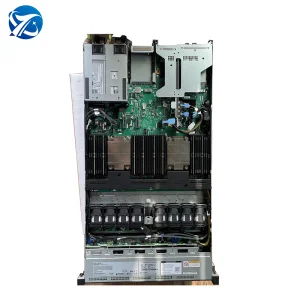
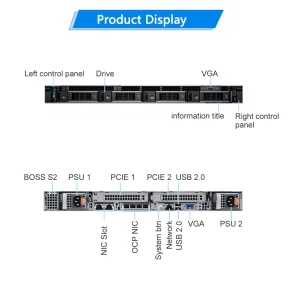
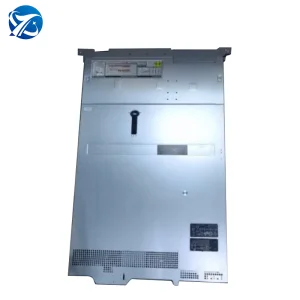
Substation SCADA hosts need high uptime, electromagnetic compatibility, and dual-redundant power supplies. Scalable 1U configurations (like the Dell PowerEdge R660 and xFusion 1288H V7) act as communications controllers. They aggregate real-time telemetry from remote terminal units (RTUs) and intelligent electronic devices (IEDs) across the grid, transmitting status metrics back to central control centers.
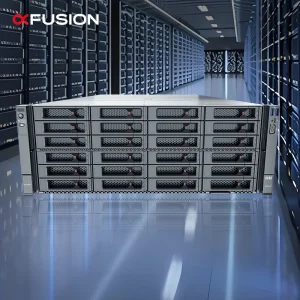
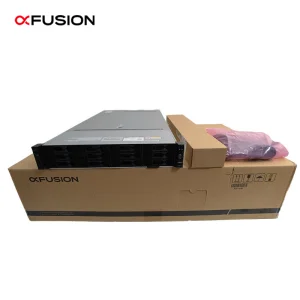
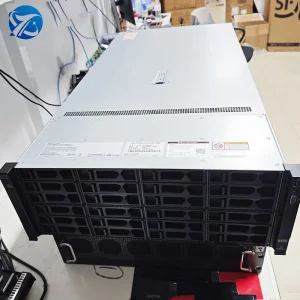
Water utility networks feature widely distributed monitoring nodes. Our high-capacity storage servers (such as the FusionServer 5288 V7 4U Series) serve as central database historians. These systems compile data on flow rates, tank levels, chemical levels, and pump statuses from distant telemetry sites, ensuring long-term records remain accessible for regulatory reporting and analytics.
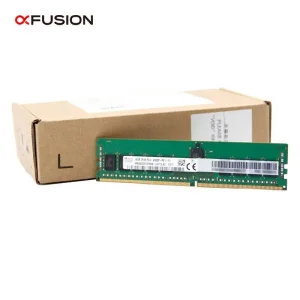
Pipelines run across harsh environments where physical maintenance access is limited. Deployed systems require robust component layouts and ECC memory (such as XFusion DDR4 RDIMM modules) to prevent data corruption during operations. These hardware nodes track pressure profiles, flow rates, valve positions, and temperature metrics to maintain safe transport across vast pipeline networks.
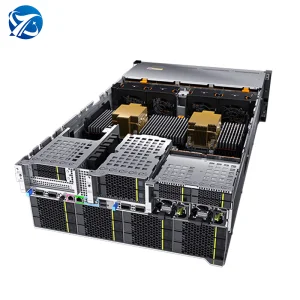
Modern smart manufacturing integrates traditional SCADA with edge computing models for real-time quality control. Incorporating high-performance GPU systems (like the xFusion 2288H V7 or customized AI computing units) allows plants to process high-definition video feeds alongside sensor data. This enables the immediate identification of assembly defects and tool wear on the production floor.
The industrial automation space is evolving quickly. Hardware procurement strategies must look 3 to 5 years ahead to avoid technology obsolescence. The following trends shape how next-generation SCADA platforms are built and deployed:
When selecting server platforms for industrial supervisory systems, IT and engineering buyers must evaluate specific architectural parameters to ensure reliable long-term operations.
| Hardware Parameter | Standard Enterprise Spec | Industrial SCADA Spec Recommendation | Primary Operational Benefit |
|---|---|---|---|
| System Memory | Standard Non-ECC DDR4 / DDR5 | ECC RDIMM (1.2V / 1.1V Low Voltage) | Corrects single-bit memory errors, preventing database corruption and unplanned system reboots. |
| Power Supply Unit (PSU) | Single AC Power Supply | Dual Redundant Hot-Swap (AC/DC Options) | Allows the system to keep running if one power source or module fails. |
| Cooling Architecture | Standard Variable Fans | High-CFM redundant cooling with dust filtration | Protects internal hardware components in dust-prone, unconditioned plant environments. |
| Chassis Configuration | Standard Deep Rackmount | Short-Depth Chassis (under 600mm) | Allows installation in standard wall-mount or shallow floor-mount industrial enclosures. |
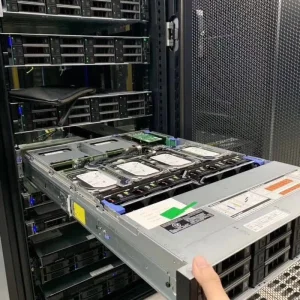
Below are our assembly, testing, and distribution centers where our computing hardware is built and validated for export.