NexoraGPU
NexoraGPU
NexoraGPU
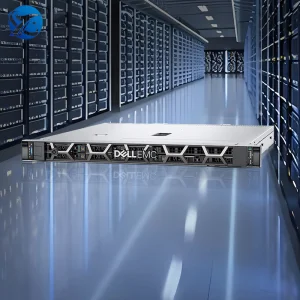
Explore our high-performance hardware modules tailored to fuel latency-sensitive microservices, distributed system clusters, and enterprise AI virtualization workloads.
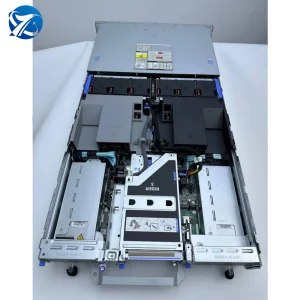
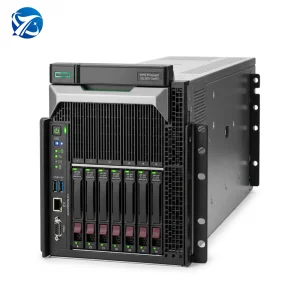
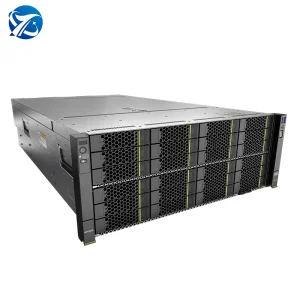
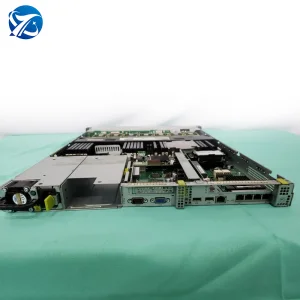
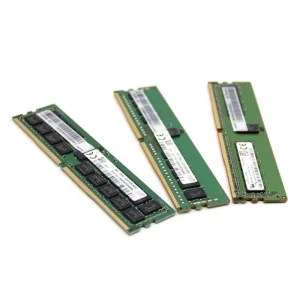
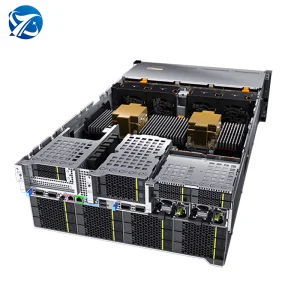
As enterprise engineering initiatives migrate from legacy monolithic applications towards disaggregated container infrastructures, the demand for highly optimized bare-metal hardware has surged. In standard container orchestration patterns (such as Kubernetes and dockerized service meshes), raw computational throughput, ultra-low IPC latency, and dynamic high-speed network interfaces form the foundational pillars of systemic stability.
Nexora Intelligent Technology Co., Ltd. (operating globally under our premier enterprise brand NexoraGPU) stands at the intersection of microservices software delivery paradigms and high-performance server engineering. Founded in 2017, our objective is to engineer custom OEM/ODM modular computing systems that bypass standard architectural bottlenecks, ensuring uninterrupted operation for data-heavy platforms, large-scale deep learning tasks, and low-latency API networks.
With massive supply chains powering microservice clusters globally, our solutions integrate directly into standard racks, ensuring optimal thermal dispersion and robust CXL-supported memory sharing. Whether deploying containerized DeepSeek LLM nodes, running microservices architectures for payment processors, or scaling up multi-tenant GPU workloads, our engineering adapts specifically to your technical constraints.
Bridging the gap between virtualization layers and physical bare-metal hardware components designed to scale dynamically from 2025 through 2030.
Implementing Compute Express Link (CXL) protocol parameters across custom nodes. This allows memory resource disaggregation, resolving standard VM memory overprovisioning patterns in multi-tenant microservices deployment.
Delivering high-throughput, low-latency inter-processor lanes. Our motherboards prioritize low noise levels and minimal electromagnetic interference, sustaining uninterrupted speeds of up to 128 GB/s on compatible PCIe slots.
Offloading software-defined networking, security, storage, and telemetry workloads from CPUs directly to physical host cards (Data Processing Units). This releases up to 30% of system compute capacities back to core microservices.
Specialized enterprise systems engineered to resolve production system bottlenecks across key sectors.
Financial service networks process millions of database read/write queries and API request/response cycles. Legacy infrastructures often fail under load spikes. Nexora's hyperconverged architectures feature sub-microsecond internal bus configurations, keeping latency metrics low even under heavy transaction spikes.
Our solutions deploy hardware-isolated modules with DDR5 ECC RAM modules to prevent random memory corruption. This safeguards multi-layered transaction security and database integrity.
Standard data infrastructures are not designed for LLM training and API inference workloads. NexoraGPU configurations utilize active cooling technologies and PCIe Gen 5 configurations to handle complex model parameter calculations efficiently.
By optimizing system designs for modern framework requirements (such as DeepSeek R1 and Llama 3 architectures), our platforms limit hardware bottlenecks. This speeds up model response times, lowers total cost of ownership, and improves service delivery.
Real-time interactive streaming and virtual classrooms require responsive, on-demand compute scaling. Modular nodes enable cloud service architectures to spin up VM instances quickly in response to shifting network demand.
We deploy high-density storage drives with robust read-write tolerances, enabling high concurrent output across multiple parallel client streams.
Modern applications process data closer to the source to minimize core latency. Nexora's ruggedized edge modules are built to run containerized IoT workloads in harsh industrial settings, extreme temperatures, and volatile power scenarios.
Equipped with intelligent out-of-band management interfaces, these remote clusters allow developers to update containerized software over the air without requiring physical maintenance on site.
Combining advanced industrial automation with supply chain integrations to deliver reliable, high-volume server platforms.
Nexora Intelligent Technology Co., Ltd. operates a specialized manufacturing hub in Shenzhen. The facility features advanced assembly tools, Automated Optical Inspection (AOI) technology, and multi-tier burn-in environments designed to simulate extreme computing workloads.
Our production integrates a network of more than 1,250 qualified supply chain partners. This connection helps minimize component bottlenecks, keeping lead times stable even during high global demand. By managing relationships directly with silicon designers, memory suppliers, and metal stampers, we maintain full control over the quality and cost of our materials.
Our Quality Management System employs 42 dedicated quality assurance technicians. Each system is subjected to a strict checklist before export, ensuring consistent performance for mission-critical deployments:
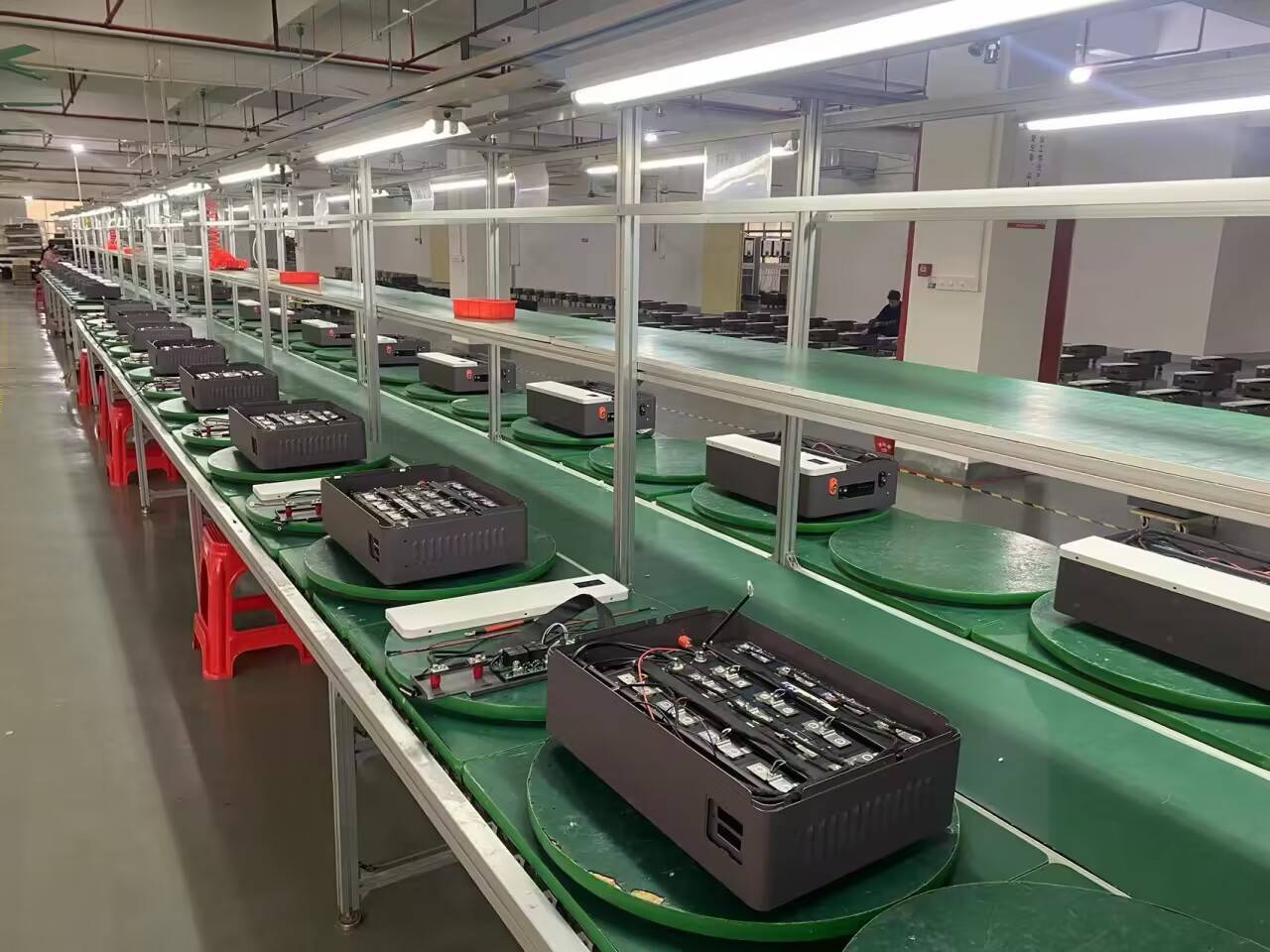

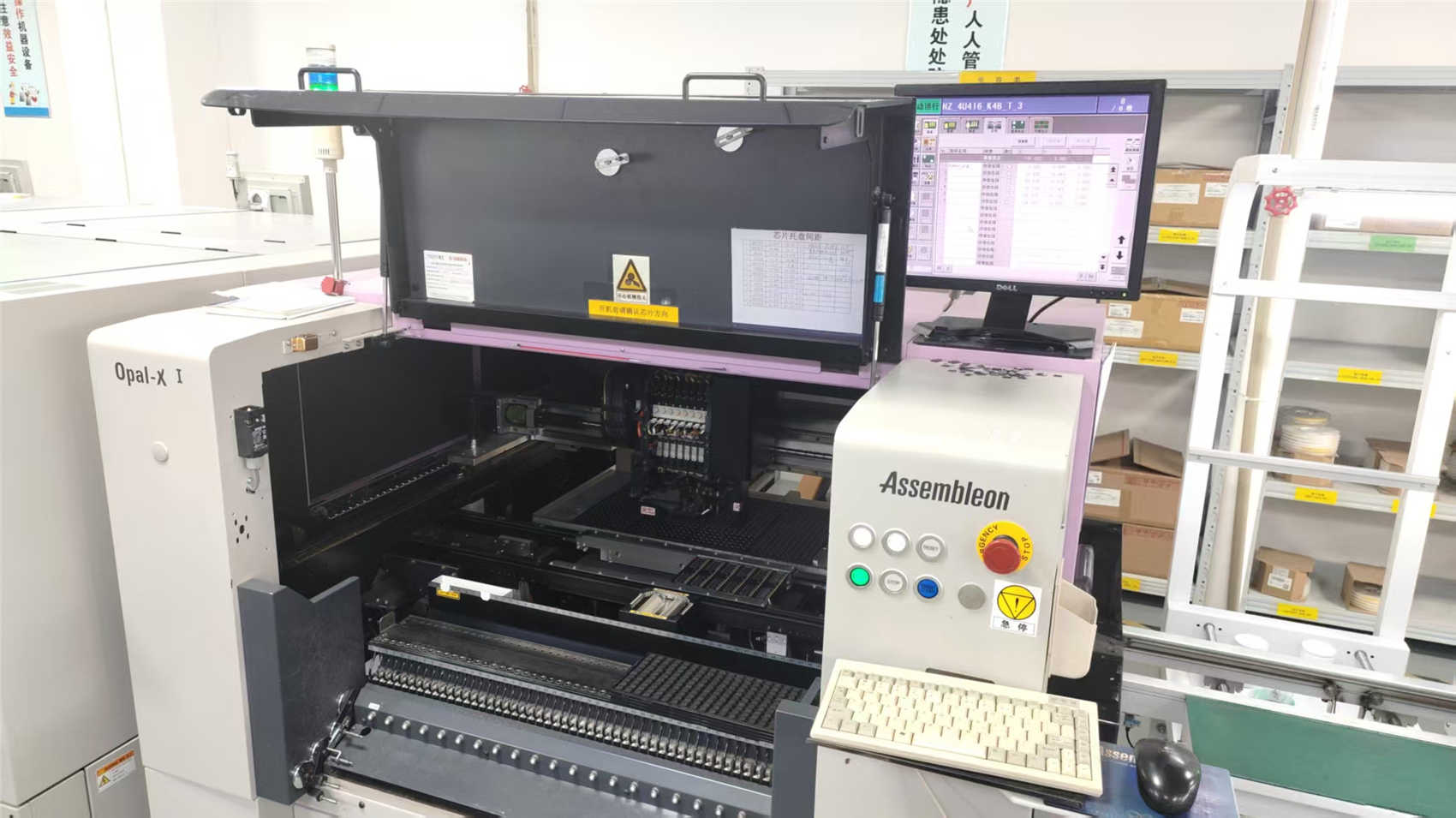
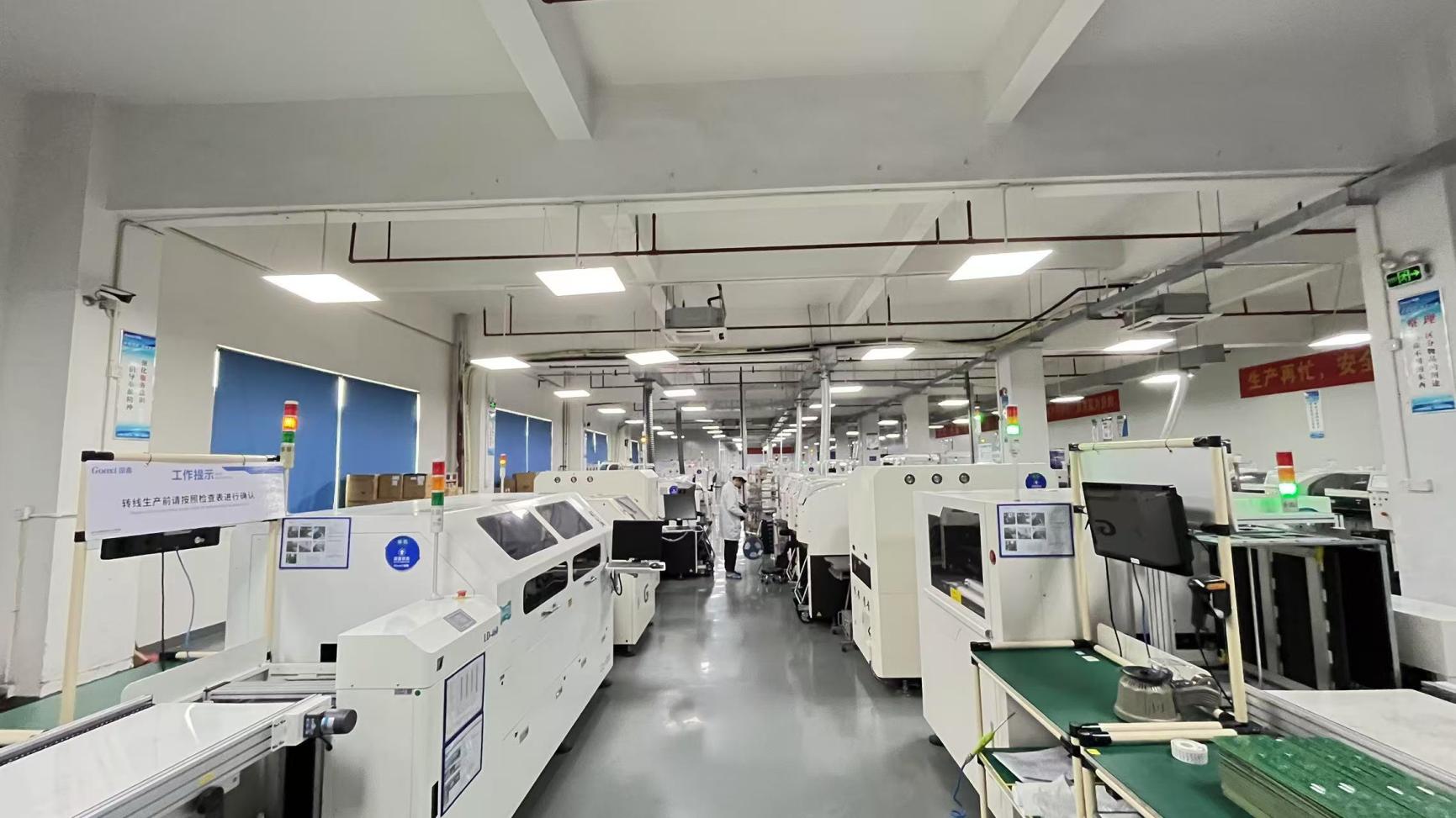
Inside NexoraGPU's modern facility - showcasing advanced assembly, quality testing, and component staging processes.
Customization services designed to align hardware configurations with your datacenter requirements and budget goals.
We build tailored rack designs and custom-branded chassis. Last year alone, we deployed 86 new systems customized for unique structural limits, specialized thermal conditions, and varied PCIe setups.
Our in-house firmware development team provides BIOS tuning options. We optimize UEFI configurations for containerization hosts, ensuring hypervisors bypass standard power states to minimize scheduling delays.
We assemble hardware, run cable routes, and configure integrated switches before shipment. Racks are delivered ready for connection, shortening the path from arrival to active production.
Ensuring compliance with local regulations and providing technical support across major international markets.
NexoraGPU serves markets across North America, Europe, Southeast Asia, the Middle East, and South America, drawing on over 6 years of export experience. Our logistics teams work with local brokers to verify import compliance, helping avoid delays during shipping.
Our engineering support services help minimize installation and operational issues. With a technical staff of 128 specialists, we assist clients with system troubleshooting, diagnostic logs, driver updates, and hardware replacement support to keep your operations running smoothly.
Answers to common questions regarding our OEM/ODM capabilities, modular server designs, and international shipping options.
Modular servers optimize microservices by allocating dedicated hardware resources directly to container runtimes. Traditional setups often experience resource competition when multiple services share the same storage and bus channels. Our configurations isolate storage and bus channels for individual nodes, helping maintain consistent I/O and low network latency.
Our OEM/ODM services cover custom chassis designs, layout changes, specialized PCIe riser setups, power distribution, and dynamic liquid cooling loops. We also supply custom BIOS options, enabling you to disable unnecessary legacy drivers and speed up bare-metal boot cycles.
Every system undergoes a rigorous checklist supervised by our 42 quality control staff. This includes automated optical inspections, multi-hour burn-in tests under high thermal loads, and standard software performance tests. We verify memory channels and signal integrity before shipping to minimize hardware failures in production.
Yes. We optimize server configurations for heavy AI and deep learning operations. By using PCIe Gen 5 configurations, low-resistance power connections, and high-flow fans, we help prevent GPU thermal throttling, ensuring stable performance during continuous training and inference runs.
Lead times vary by configuration complexity and order volume. Standard modular configurations usually ship within 4 to 6 weeks. High-volume custom projects requiring new metal designs may take 8 to 12 weeks. Our team provides detailed scheduling timelines during initial technical reviews.
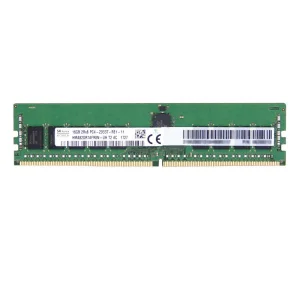
Explore our high-density storage platforms and memory options designed to maintain reliable access speeds for data-heavy microservices.