NexoraGPU
NexoraGPU
NexoraGPU
Engineered for thermal efficiency, computational density, and reliability under intense workloads.
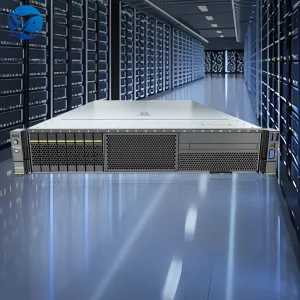
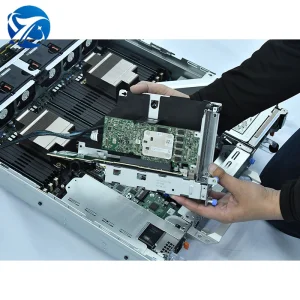
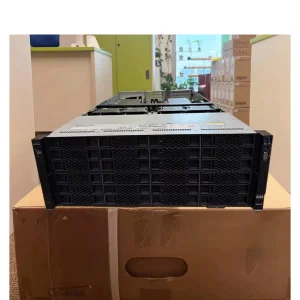
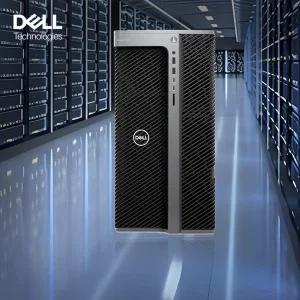
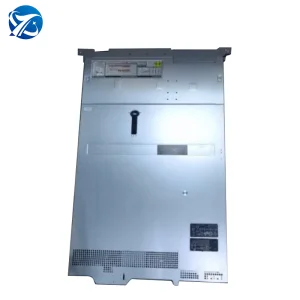
As deep learning, high-performance computing (HPC), and artificial intelligence technologies scale globally, the compute density of enterprise data centers is reaching unprecedented levels. High-density server platforms—including the latest multi-socket Intel Xeon, AMD EPYC, and multi-GPU configurations—now generate thermal outputs that legacy air cooling architectures struggle to dissipate. Modern processors and high-power accelerators (such as the NVIDIA H100, B200, and customized ASIC accelerators used in DeepSeek clusters) demand advanced thermal design power (TDP) thresholds exceeding 700W to 1000W per node. This makes customized server cooling not just an operational preference, but a strict architectural requirement.
Globally, data centers are shifting from traditional computer room air conditioners (CRAC) to highly targeted liquid-to-air and liquid-to-liquid cooling mechanisms. Industry data indicates that liquid cooling adoption will achieve a compound annual growth rate (CAGR) of over 25% through 2030. Driven by strict international regulations targeting Power Usage Effectiveness (PUE), hyperscale cloud operators and colocation providers are rapidly deploying Direct-to-Chip (D2C) cold plates and single-phase or two-phase immersion systems to maintain stable operational temperatures and prevent structural thermal throttling.
"The transition from traditional rack cooling to advanced liquid-to-chip heat dissipation is the defining factor in achieving a data center PUE of under 1.15. Without tailored thermal engineering, the computing potentials of advanced AI silicon remain completely bottlenecked."
At NexoraGPU, we act as a critical link in this industrial paradigm shift. By designing and manufacturing custom liquid cooling blocks, specialized manifold distributors, coolant distribution units (CDUs), and structural server chassis, we enable enterprises to scale computational densities safely. Our capabilities meet the structural demands of high-density edge deployments, massive localized AI pipelines, and large-scale cloud computing environments worldwide.
Exploration of next-generation thermal engineering paradigms transforming global data centers.
D2C cooling targets high-heat components (CPUs/GPUs) directly using custom copper micro-channel cold plates. Closed-loop liquid configurations carry heat away using non-conductive fluids, allowing high heat-flux dissipation with minimal thermal resistance.
Submerging entire server blades in dielectric fluid removes the need for heatsinks and fans. Single-phase systems circulate fluid via pumps, while two-phase configurations utilize dielectric fluid vaporization and condensation cycles to achieve maximum heat transfer efficiency.
Integrating intelligent sensor arrays and dynamic variable-speed pumps within Coolant Distribution Units (CDUs) allows systems to adjust fluid flow based on live computational loads. This cuts down ancillary power usage while keeping hardware temperatures within safe limits.
Delivering industry-grade custom server designs, thermal engineering, and global integration.
Founded in 2017, Nexora Intelligent Technology Co., Ltd. (operating under the brand NexoraGPU) is a specialized manufacturer of high-performance GPU servers, AI compute infrastructures, HPC clusters, and advanced thermal management solutions. Operating from our modern manufacturing facility, we specialize in high-density integration, customized copper cold plates, and robust server chassis designs that optimize airflow and liquid delivery.
With 9 years of industry experience and 6 years of direct global export history, our team understands the unique technical standards, electrical codes, and environmental certifications required across North America, Europe, Southeast Asia, the Middle East, and South America. Our operations are backed by a dedicated team of 42 quality control experts who enforce rigorous structural and functional testing. We inspect 100% of our production output, including pressure drop checks, helium leak detection for liquid loops, thermal profiling under full load, and long-term reliability screening.
How we transform complex thermal requirements into optimized, high-performance physical cooling assemblies.
Our engineers perform detailed Computational Fluid Dynamics simulation to analyze heat distribution, identify hotspots, and optimize internal fluid flow routing.
Precision CNC milling of high-grade, oxygen-free copper plates and dry-run manifold systems customized to fit your specific server chassis and rack layouts.
Loops undergo helium leak testing and high-pressure water checks (exceeding standard operating pressure by 3x) to guarantee dry, safe long-term operations.
Integrating servers into rack-level systems with CDUs, manifold kits, and quick-disconnect valves, verified by load testing before global shipment.
Data centers are no longer assessed solely on processing power. Today, computational capabilities must align with strict sustainability metrics. Modern enterprise computing faces several regional and structural challenges:
Modern cloud centers deploying thousands of compute nodes require robust thermal management. By replacing old-fashioned air conditioning with customized Direct-to-Chip (D2C) liquid loops, facility operators can lower their Power Usage Effectiveness (PUE) from a global average of 1.6 down to below 1.15. This transition directly reduces cooling-related energy draw by up to 90%, freeing up significant power capacity to run additional compute nodes under the same power budget.
Training large language models (LLMs) requires dense arrays of high-power GPUs. These clusters experience sudden power spikes and generate intense thermal loads. Custom-engineered cold plates and micro-channel manifolds help maintain uniform junction temperatures across all processing units. This thermal stability prevents local hot spots, reduces performance throttling, and prevents system crashes during long-term model training runs.
Edge nodes deployed in manufacturing facilities, offshore sites, and telecom hubs often run in harsh environments with high dust, moisture, and ambient temperatures. In these scenarios, completely sealed, fluid-submerged chassis (immersion cooling) protect sensitive electronics from ambient contaminants while providing reliable, fanless heat dissipation.
In colder climates (such as Northern Europe and parts of North America), local regulations encourage data centers to capture and reuse waste heat. High-temperature liquid cooling systems can output waste water at temperatures between 50°C and 60°C. This hot water can be redirected directly into local district heating grids or nearby industrial facilities, transforming waste heat into a valuable energy resource.
Modern silicon design is pushing thermal limits faster than ever. As chips transition to chiplet architectures, heat flux density is increasing exponentially. Over the next decade, server thermal management will evolve along three key fronts:
NexoraGPU is committed to staying at the forefront of these developments. Our R&D team, comprised of 128 skilled engineers, works closely with academic partners and component suppliers to validate new thermal materials and manufacturing techniques, ensuring our customers have access to reliable, forward-compatible cooling platforms.
Inside NexoraGPU's modern assembly facility and testing laboratories.
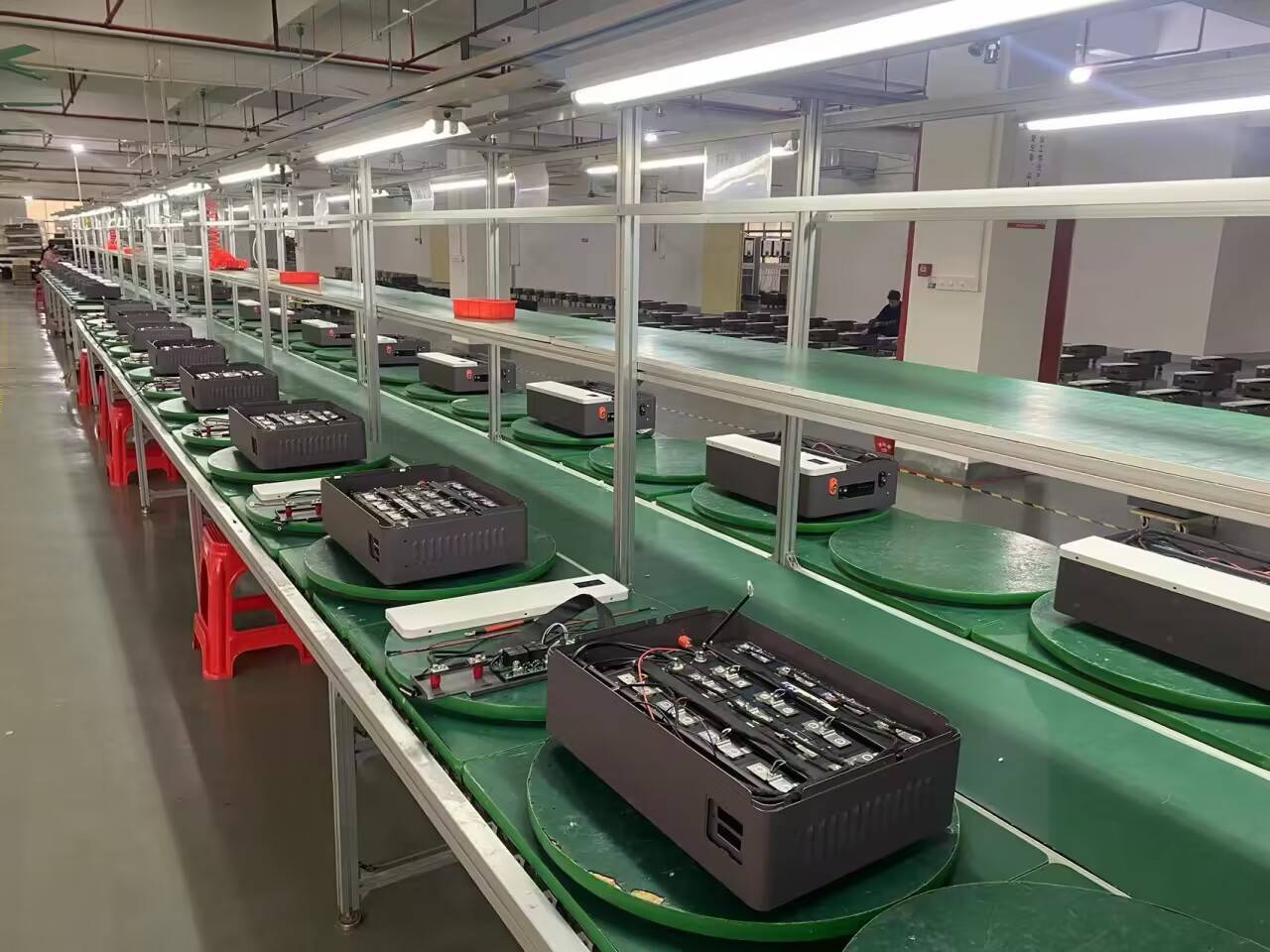

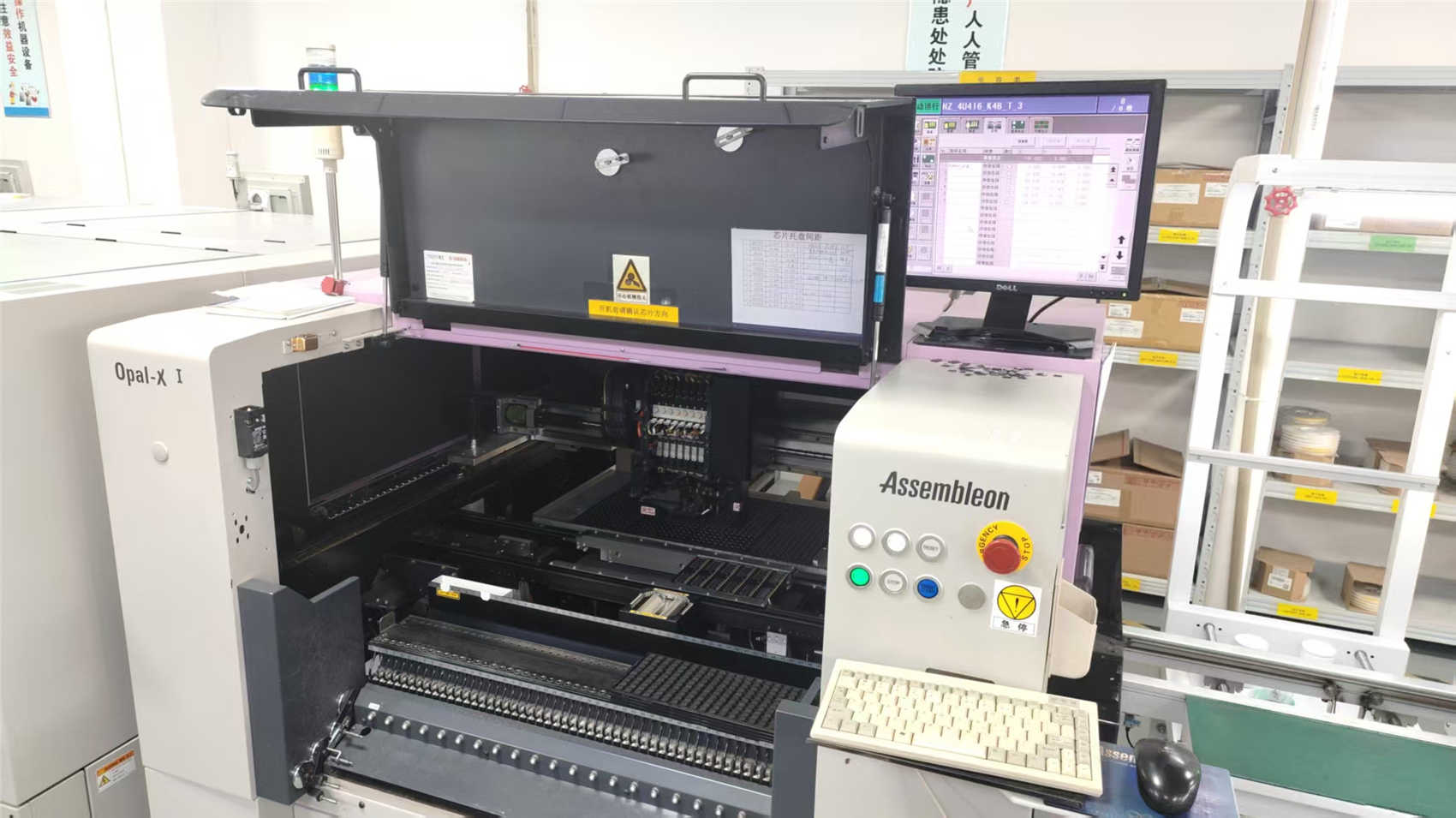
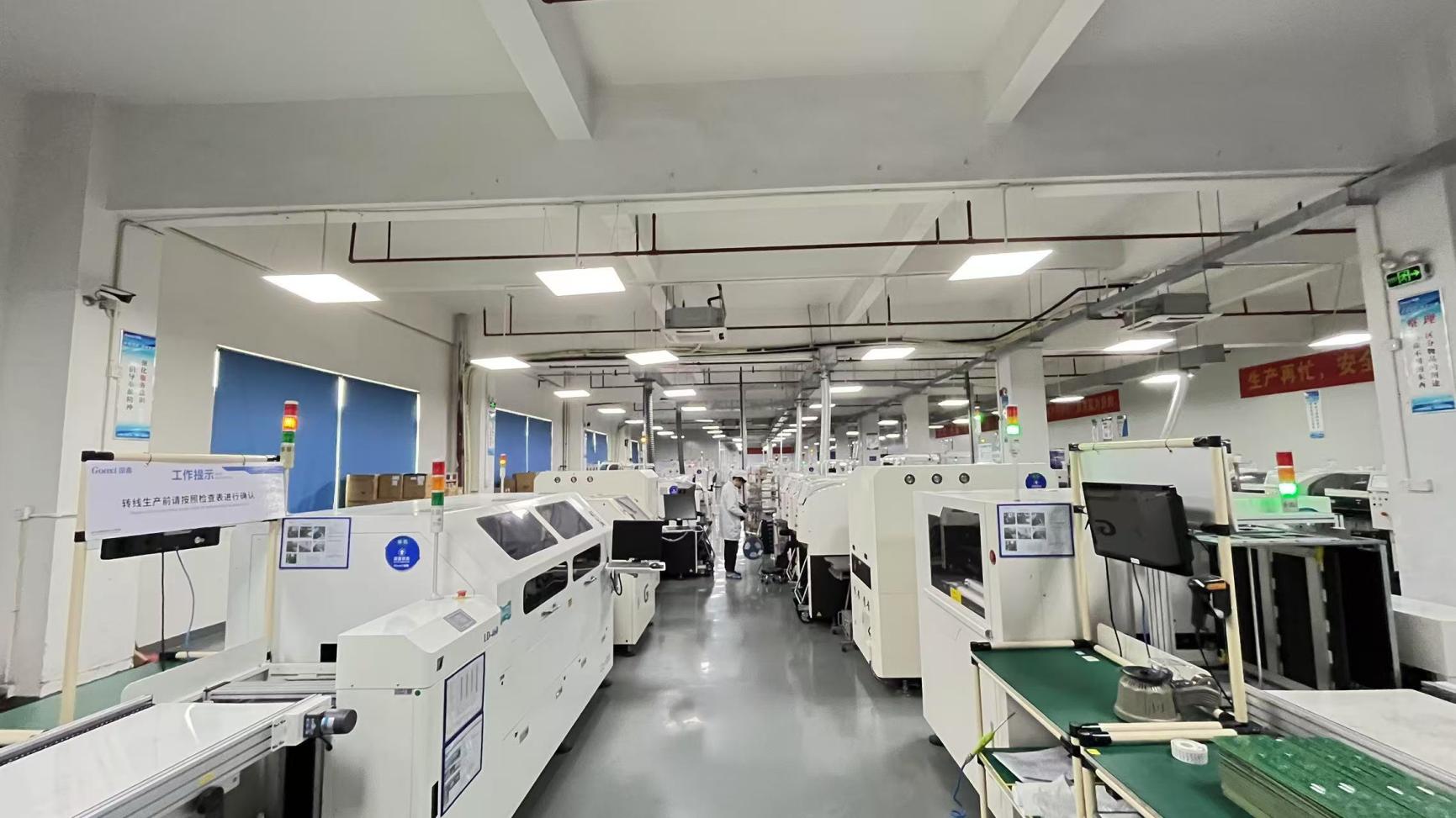
Every server system we manufacture undergoes a rigorous quality control process. We utilize automated component verification, full-load burn-in chambers, precision pressure drop meters, and infrared thermal imaging to ensure all assemblies perform reliably in demanding environments. Our supply network of over 1,250 partners allows us to source high-grade materials and specialized components, keeping production timelines efficient and costs competitive.
Answers to common technical and logistical questions about server cooling and custom integration.
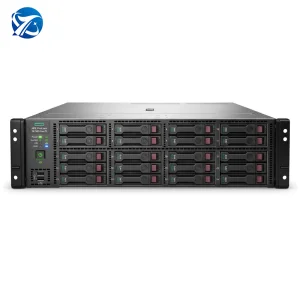
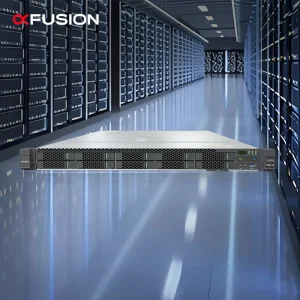
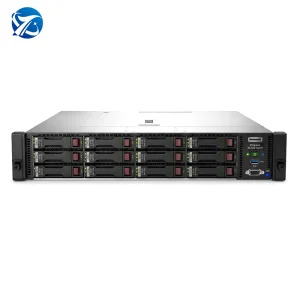
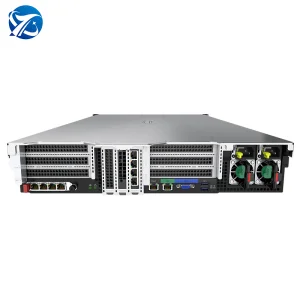
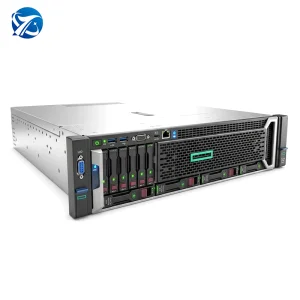
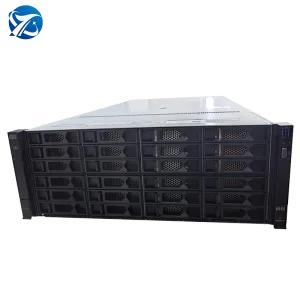
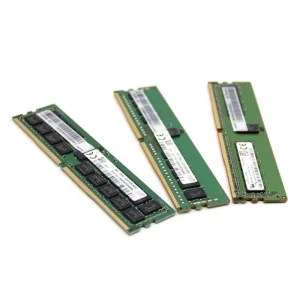
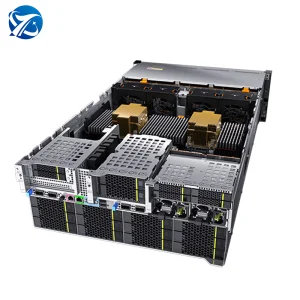
High-performance platforms and original server configurations ready for integration.