NexoraGPU
NexoraGPU
NexoraGPU
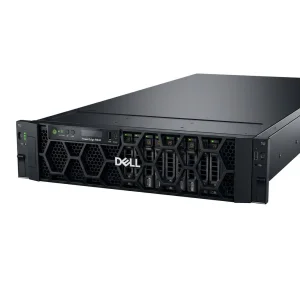
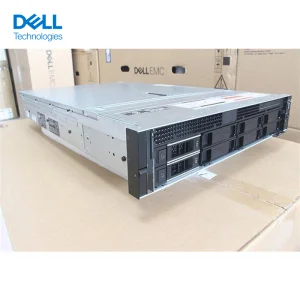
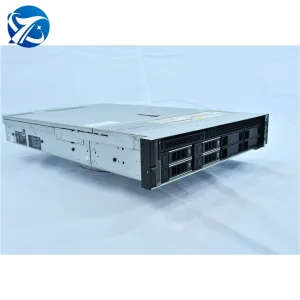
Enterprise and GPU servers customized for deep learning acceleration, data center virtualization, and high-density memory operations.
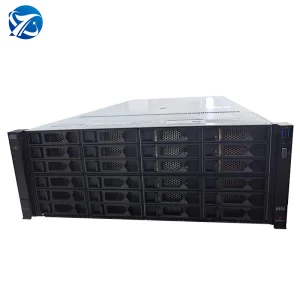
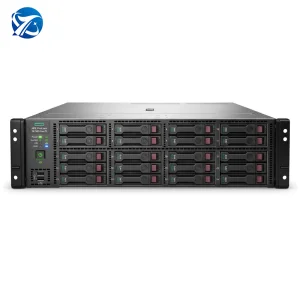
An in-depth analysis of how hardware orchestration, high-bandwidth interconnects, and scalable node designs are reshaping the modern computational layout.
Integrating PCIe Gen 5.0, NVLink, and ultra-low latency RoCEv2 (RDMA over Converged Ethernet) fabrics to eliminate CPU-to-GPU data transmission bottlenecks.
Implementing hybrid closed-loop liquid cooling and localized heat-sink microstructures engineered for systems running TDP loads exceeding 400W per node.
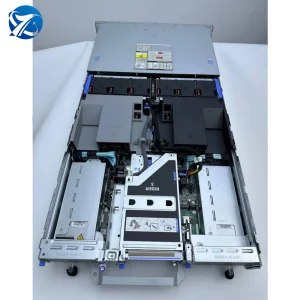
Enabling bespoke physical layout adjustments, custom backplane fabrics, and optimized memory-channel allocation matching critical scale challenges.
As computational demands evolve, legacy server architectures struggle to sustain the parallelized requirements of modern AI models, database indexing, and deep-learning operations. The contemporary standard has migrated from rigid, single-node processing frameworks to interconnected server fabrics. Modern networks prioritize scalable topologies that rely heavily on dense physical packaging, localized switches, and ultra-high-speed memory buses.
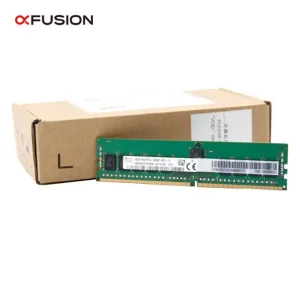
Custom OEM Network Architecture addresses these performance demands. By implementing customized rack-level deployments, operators can bridge the gap between high-frequency computation and efficient energy utilization. In practice, this means tailoring the hardware backplane to match the software workloads—deploying custom DDR5 RDIMM structures running at high bandwidths (e.g., up to 6400 MT/s) alongside multi-socket Xeon or high-performance GPU configurations to ensure uninterrupted parallel processing.
"Enterprise networks are no longer defined solely by raw processor performance. Real-world computational velocity is a factor of interconnect bandwidth, systemic thermal dissipation, and customized node-to-node layout design."
To scale high-performance computing cluster infrastructures efficiently, hardware system developers must engineer low-latency paths. The implementation of Compute Express Link (CXL) protocol standards enables shared memory pools across CPUs, GPUs, and custom field-programmable gate arrays (FPGAs). This breakthrough helps eliminate data transport redundancy and reduces latency to nanosecond scales.
Additionally, modern network systems require structural optimization of power consumption profiles. Advanced data centers utilize direct-to-chip (D2C) liquid cooling plates in combination with high-density air-cooling systems. This design approach significantly reduces thermal resistance and ensures long-term operational reliability during intense continuous-load periods.
Backed by decades of shared domain expertise, global export licenses, and a highly reliable supply chain infrastructure.
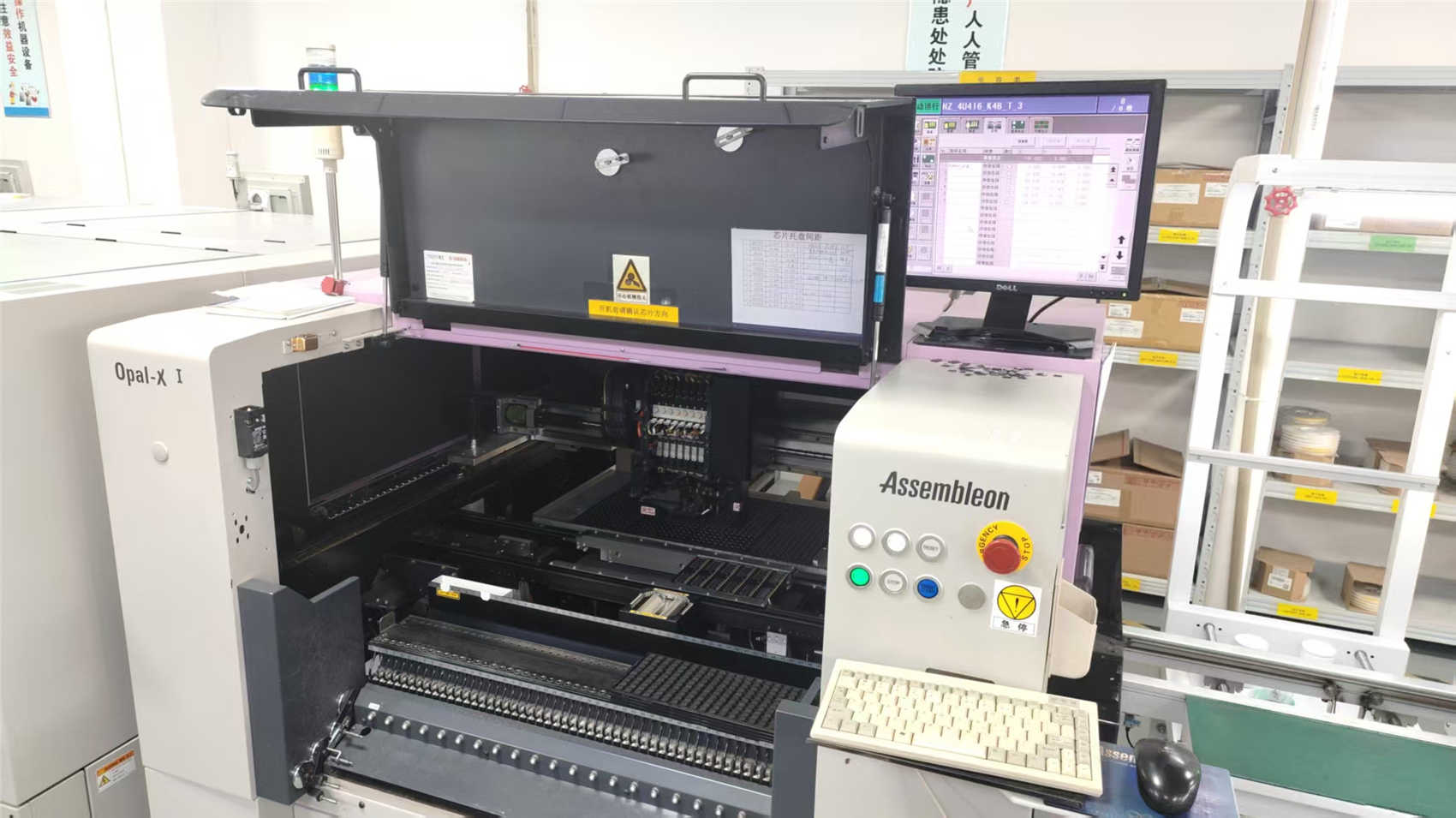
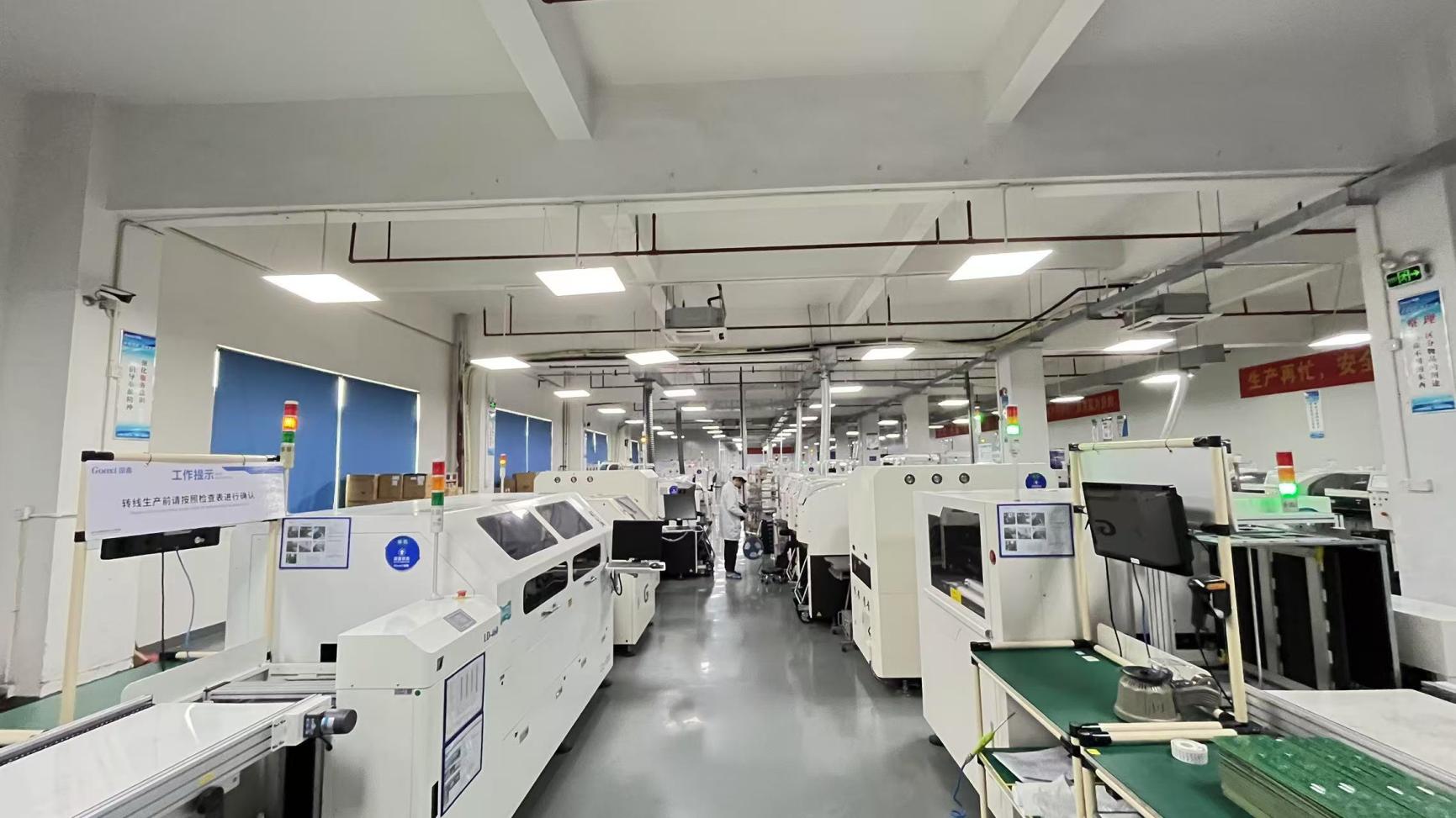
Combining automated precision assembly, rigorous component testing, and vertical integration to build stable enterprise-grade server infrastructure.
Under the NexoraGPU brand, Nexora Intelligent Technology Co., Ltd. has established a highly specialized manufacturing ecosystem optimized for modern network architectures. While maintaining a focused 386m² advanced assembly and quality assurance lab, Nexora coordinates a massive network of over 1,250 certified supply-chain vendors. This combination of deep component access and localized assembly precision allows Nexora to deliver customized hardware platforms that meet the strict standards required by enterprise data centers.
Enterprise procurement teams face complex regulatory environments when deploying network architectures. Modern systems must comply with international standards such as CE, FCC, UL, and RoHS. Beyond compliance, hardware security has become a critical requirement. Our OEM services prioritize hardware-level protections, including secure boot configurations, physical tamper-detection mechanisms, and Trusted Platform Modules (TPM 2.0). These features verify the integrity of server firmware and protect data from unauthorized access.
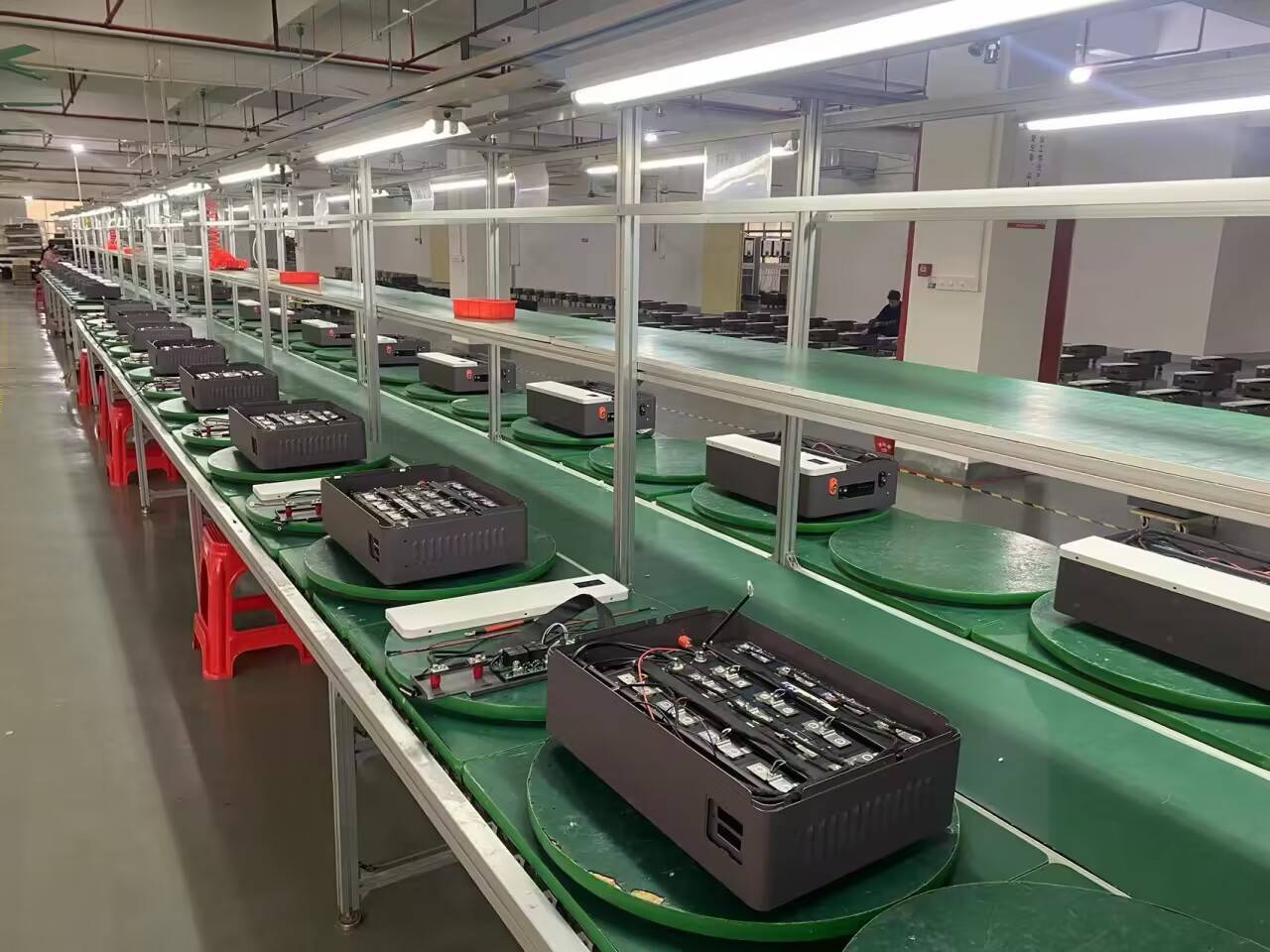

Quality reliability is maintained through structural processes, not just testing. Nexora operates with a dedicated team of 42 quality assurance professionals who manage quality control across every stage of production. From initial inbound material inspections (IQC) to in-process manufacturing audits (IPQC) and final pre-shipment system testing (FQC), every parameter is carefully monitored. The testing protocol includes:
Nexora custom designs are used across various regional settings, proving that system efficiency depends on tailoring solutions to local environments:
Answering critical engineering, procurement, and deployment questions regarding customized server and network systems.
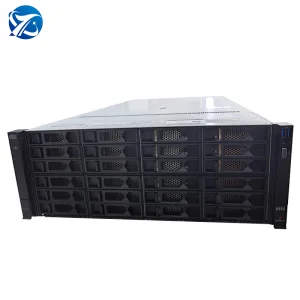
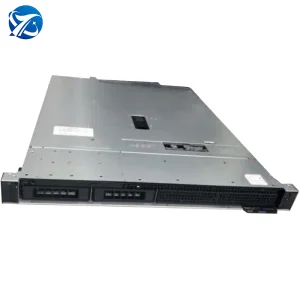
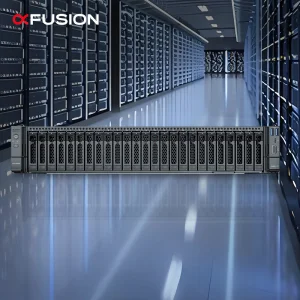
Browse additional high-capacity storage servers, multi-socket workstations, and dense processing architectures.