NexoraGPU
NexoraGPU
NexoraGPU
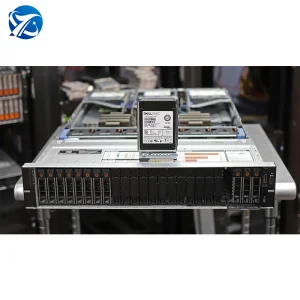
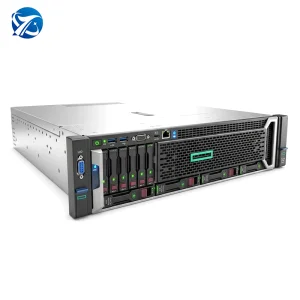
Enterprise-grade server platforms engineered for secure data center deployments, deep packet inspection, and massive VPN network termination capacity.
Analyzing the migration from legacy software VPNs to dedicated bare-metal acceleration engines for massive corporate interconnectivity.
Modern enterprises no longer rely on simple tunnel protocols. Integrated Secure Access Service Edge (SASE) and Software-Defined Wide Area Networks (SD-WAN) require high-throughput hardware to execute dynamic path routing, real-time latency monitoring, and policy-based forwarding at the hardware layer.
Encryption protocols such as AES-256-GCM, ChaCha20-Poly1305, and WireGuard demand extensive CPU compute cycles. By offloading cryptographic algorithms to specialized processors like Intel QuickAssist Technology (QAT) or EPYC cryptographic coprocessors, latency is slashed by up to 85%.
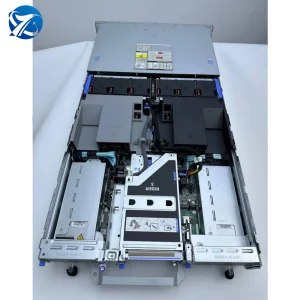
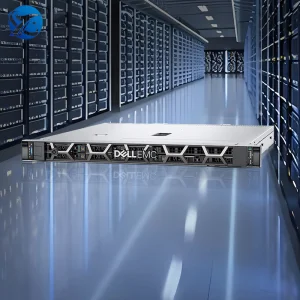
With remote work forces expanding worldwide, central enterprise VPN hosts face network bottlenecks. Distributing 1U and 2U custom server gateways to the network edge ensures secure, localized network entry points that process data closer to end-users.
The global enterprise network perimeter is undergoing a paradigm shift. In response to skyrocketing data transfer rates and increasingly sophisticated cyber threats, businesses are migrating away from legacy software-defined gateways running on standard virtual machines. Modern deployment standards mandate dedicated high-performance bare-metal appliances capable of sustaining 10Gbps to 100Gbps line-rate encryption. This architectural transformation has elevated the role of specialized hardware designers and manufacturing plants, who engineer the physical foundation of secure communication networks.
An Industry Leader in Custom Enterprise Server Manufacturing and Global Network Architecture Solutions
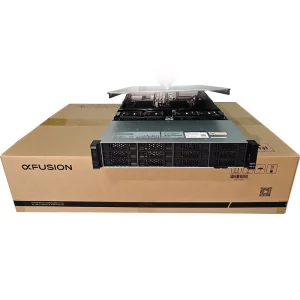
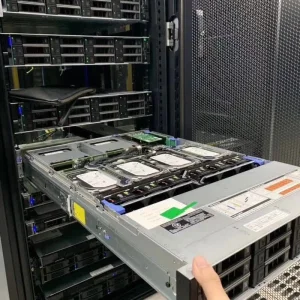
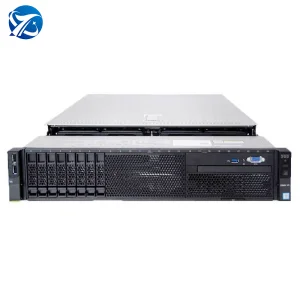
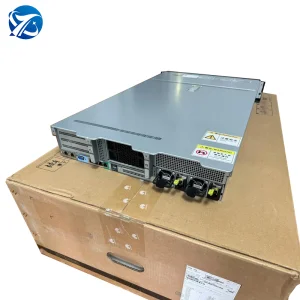
Founded in 2017, Nexora Intelligent Technology Co., Ltd. (under our premier brand NexoraGPU) has emerged as a globally recognized manufacturer specializing in high-performance computing hardware. Our portfolio covers next-generation GPU servers, AI compute modules, secure enterprise storage arrays, and customized network appliances designed specifically to deploy high-capacity software-defined VPN solutions.
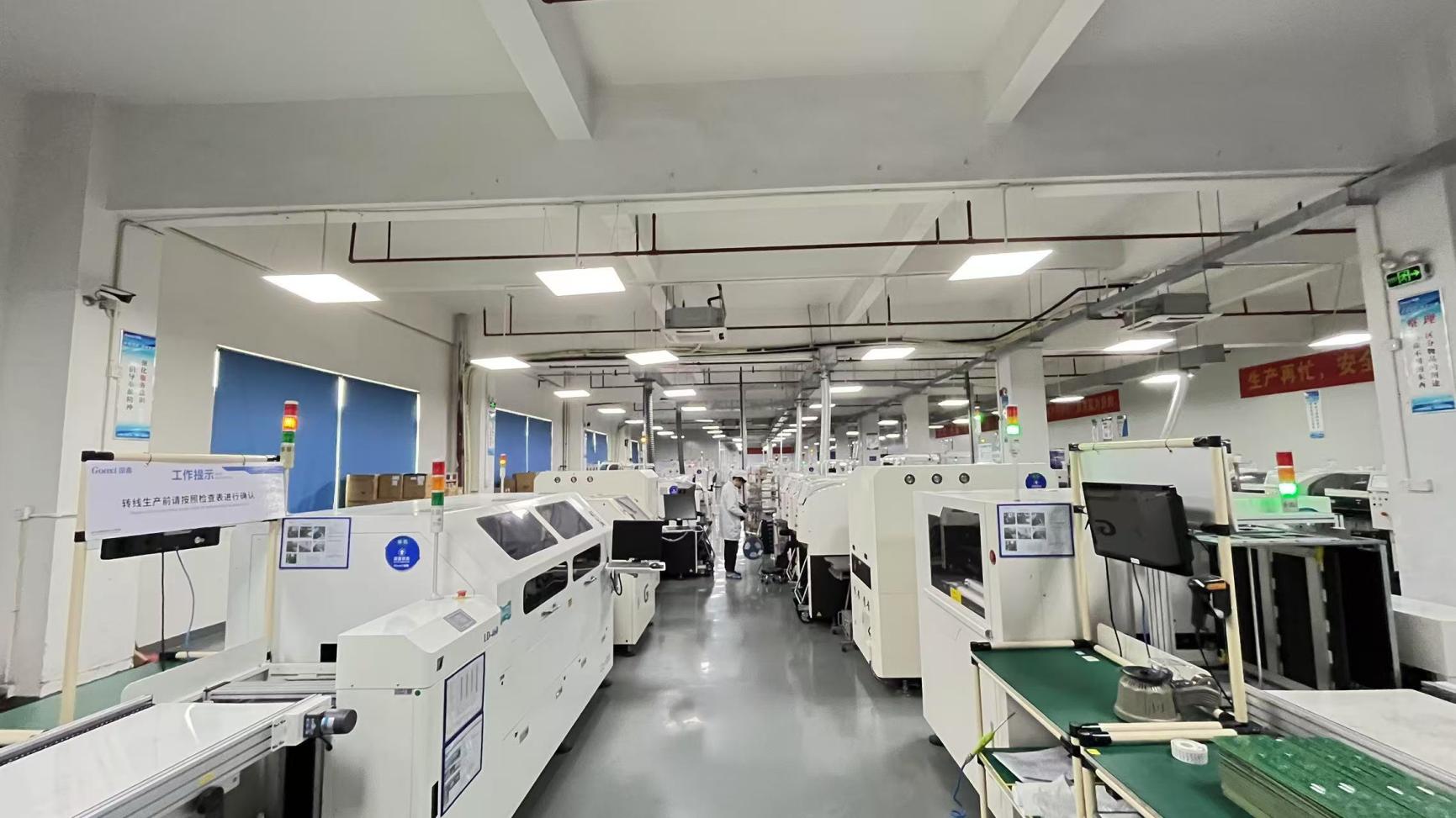
By integrating 9 years of core industry experience and 6 years of dedicated export operations, we have cultivated a sophisticated understanding of international regulatory requirements, carrier compliance standards, and hardware compatibility. Our modern assembly and customization facility, spanning 386㎡ of highly specialized clean-room space, is optimized for low-latency testing, component integration, and customized firmware flash configurations.
Why domestic supply chains enable unprecedented deployment speeds and cost savings for international buyers.
By locating our central assembly, integration, and development operations in China's technology hubs, NexoraGPU benefits from a highly concentrated manufacturing ecosystem. With more than 1,250 upstream and downstream suppliers, we can source specialized parts—such as multi-gigabit network interface cards (NICs), redundant titanium-efficiency power supply units (PSUs), custom server chassis, and specialized aluminum heat sinks—in record time. This eliminates bottlenecks that typically plague Western hardware vendors, reducing our order-to-delivery lead times by up to 40%.
Unlike rigid global brands, our 128 design and systems engineers can execute design modifications rapidly. Whether a VPN provider requires a custom chassis depth to fit shallow edge-computing cabinets, specific bios-level optimizations for virtualization, or dual redundant hot-swappable fans for remote installations, our team handles it in-house. Last year's rollout of 86 new products highlights our commitment to constant improvement and technical responsiveness.
| OEM/ODM Stage | Workflow Details | Typical Lead Time |
|---|---|---|
| 1. Requirement Capture | Analysis of network throughput requirements (10G/40G/100G), CPU instruction sets (QAT, AVX-512), storage profiles, and physical layout constraints. | 1–3 Days |
| 2. Prototyping & Layout | Motherboard path tracing, CAD modeling of server chassis, thermodynamic thermal simulation, and initial layout validation. | 7–10 Days |
| 3. Firmware Optimization | Flashing custom bootloaders, loading bare-metal OS configurations (e.g., pfSense, OPNsense, specialized Linux distributions), and disabling unnecessary BIOS assets. | 3–5 Days |
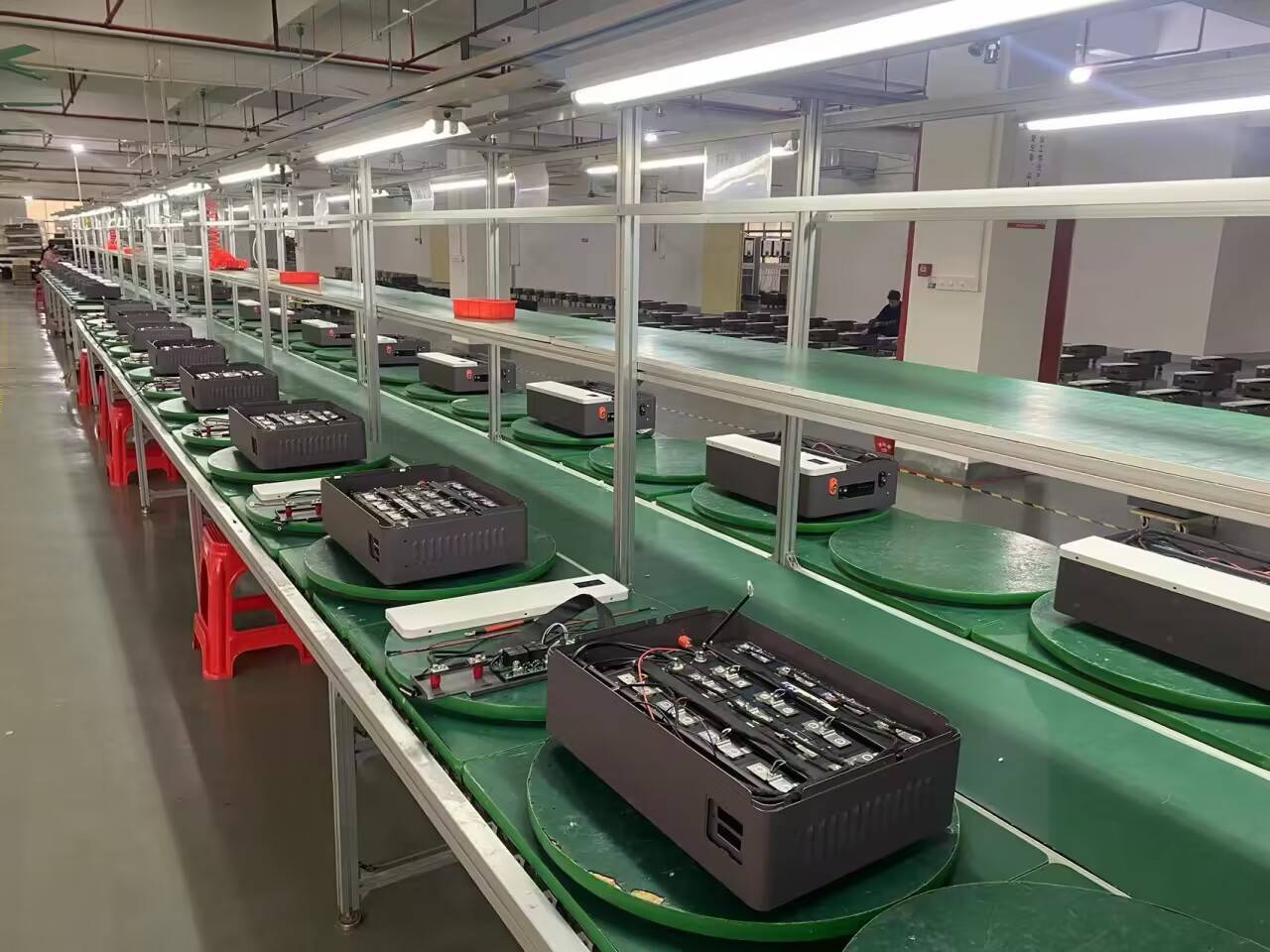
| 4. Mass Assembly & Validation | Rigorous production on assembly lines with 100% component testing, monitored by our 42 dedicated QC technicians. | 14–21 Days |
Understanding the hardware parameters required to run highly scalable, low-latency cryptographic enterprise gateways.
VPN systems require high parallel processing capabilities. We deploy Intel Xeon Scalable and AMD EPYC processors with high core counts (up to 144 cores per system) to process thousands of simultaneous encrypted tunnels. Multi-threading allows the OS to assign dedicated cores to specific client VPN sockets, preventing packet processing delays.
To eliminate packet drop at high line-rates, our servers are fitted with dual and quad-port Intel or Broadcom network interface cards (NICs) supporting SR-IOV (Single Root I/O Virtualization). This permits direct hardware access to VMs, accelerating packet forwarding speeds.
Sustained VPN throughput depends on memory speed. By using multi-channel DDR5 RAM operating at 4800MHz or higher, our server systems prevent memory bandwidth saturation when keeping track of massive connection state tables, ACLs, and active routing profiles.
When processing standard network traffic, a router merely inspects the packet header and forwards the payload. However, in a VPN scenario, every packet must be decrypted upon arrival and encrypted before transmission. This process introduces a massive compute overhead. If done entirely in standard software, the system's CPUs will quickly peg at 100% utilization, creating packet loss, elevated jitter, and a sluggish user experience.
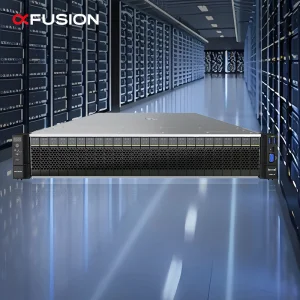
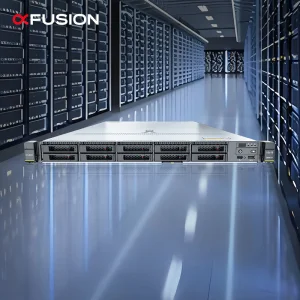
NexoraGPU solves this hardware bottleneck by designing servers that natively support hardware instruction set extensions. Intel QuickAssist Technology (QAT) integrated into our Xeon-based motherboards allows the CPU to offload public-key exchange algorithms (DH, ECDH) and bulk symmetric encryption (AES, ChaCha20) directly to hardware coprocessors. As a result, our 1U and 2U rack servers can sustain up to 100 Gbps of IPsec throughput without overloading the host operating system, leaving the CPU free to handle other enterprise security policies, deep packet inspection (DPI), and firewall rules.
Discover how our custom VPN solutions and hardware platforms are deployed across diverse global environments.
Establish high-speed, secure SITE-TO-SITE tunnels linking headquarters with multiple regional sales offices, warehouses, and satellite operations. The server acts as a centralized SD-WAN hub, maintaining continuous uptime with dual-WAN path switching.
Deploy 1U Xeon servers to act as secure ingress controllers inside private data centers, establishing highly secure communication paths to public cloud providers (AWS, Azure, Google Cloud) while ensuring strict compliance with local financial and data protection laws.
Secure thousands of remote, distributed IoT nodes (such as traffic controllers, utility grids, and smart manufacturing robots) by routing all traffic through a centralized, high-density VPN decryption cluster powered by NexoraGPU rack servers.
Anticipating the technological integration of AI threat prevention, ZTNA architectures, and quantum-resistant algorithms.
The industry is rapidly shifting from perimeter-based VPN tunnels to granular Zero Trust Access systems. Instead of giving users full access to a subnet once connected, ZTNA inspects device health, identity, and application requirements dynamically. NexoraGPU platforms support this trend by offering hardware virtualization (SR-IOV) and isolated security enclaves to run secure containers, dividing connections into segmented, isolated micro-tunnels.
Bad actors are increasingly hiding malicious activity inside encrypted traffic. Our hybrid AI GPU servers allow organizations to run localized, lightweight machine learning models directly on the VPN gateway. These models analyze traffic characteristics, flow patterns, and packet sizes in real time to flag anomalous, high-risk activity without decrypting the payload, preserving user privacy while safeguarding enterprise resources.
How NexoraGPU guarantees constant system availability through deep component validation and rigorous environmental testing.
At NexoraGPU, we recognize that network servers are the lifeblood of corporate operations. If a security gateway crashes, it doesn't just disconnect a single machine—it brings down entire branch offices, cuts off databases, and interrupts transaction processing. To prevent these costly failures, our quality management framework is structured around strict aerospace-level hardware validation.
We employ a specialized team of 42 professional quality control inspectors who oversee every phase of production. We do not rely on simple power-on tests. Every single server undergoes an extensive suite of operational trials to certify its long-term durability in critical roles:
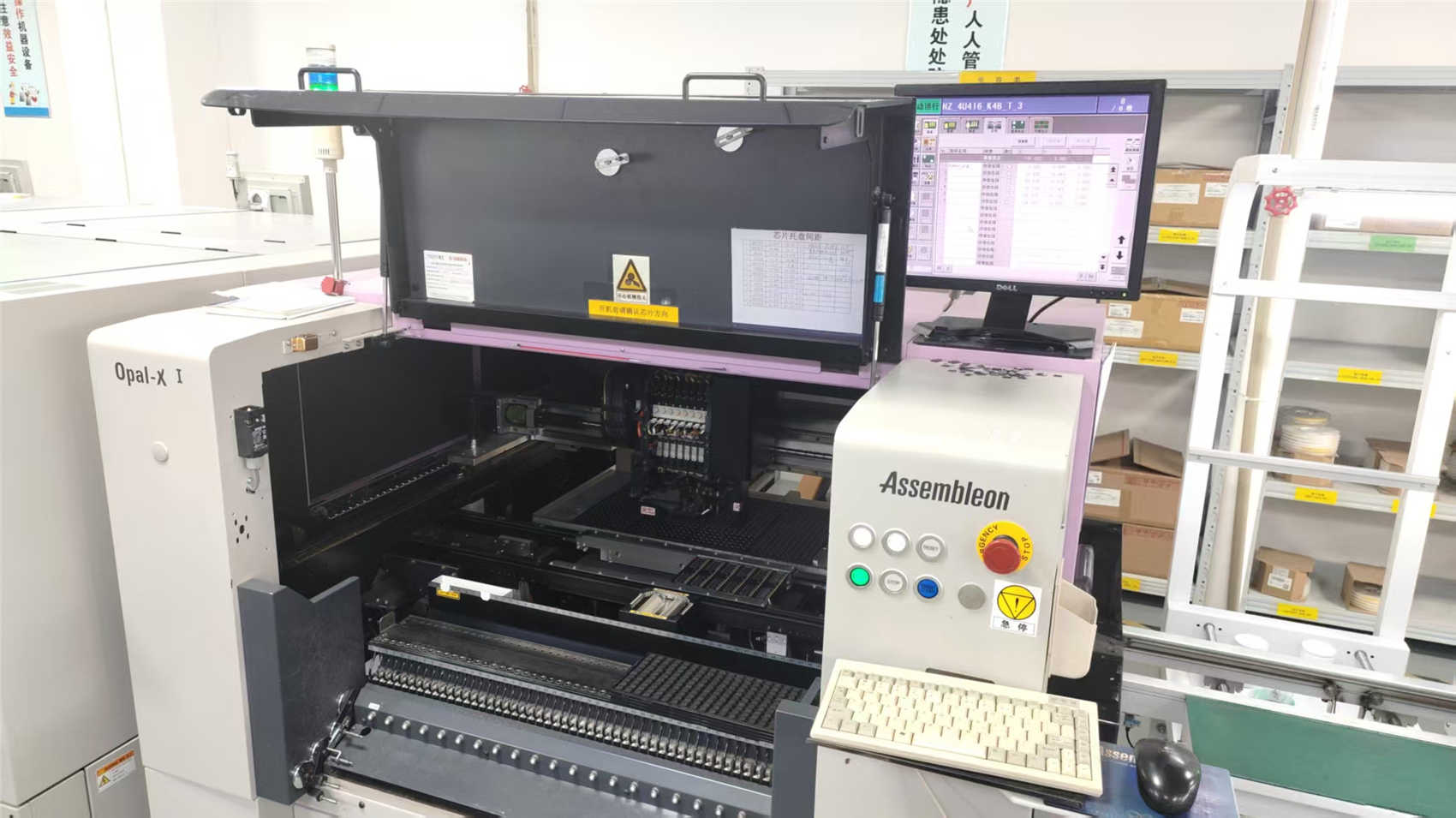
Using automatic optical inspection (AOI) to scan memory traces, PCB layers, and trace connections for microscopic defects before assembly.
Running components under maximum computational load for 3 consecutive days to force infant mortality failure modes in capacitors or semiconductors.
Verifying internal chassis airflow dynamics and fan speeds under controlled environment temperatures (up to 45°C) to prevent thermal throttling.
Simulating rapid power drops, surges, and line switches to guarantee that dual-redundant hot-swappable power supplies transition seamlessly.
Technical specifications and configuration choices available for OEM/ODM hardware orders.
| Chassis Form Factor | CPU Platforms Supported | Network Interfaces | Cryptographic Acceleration | Optimal Use Case Scenario |
|---|---|---|---|---|
| 1U Rackmount | Intel Xeon D / Intel Core / Single Xeon Scalable | 4x 1GbE RJ45 + 4x 10GbE SFP+ | Intel QAT / AES-NI | Branch offices, remote edge deployments, light enterprise gateways. |
| 2U Rackmount (Standard) | Dual Intel Xeon Scalable / Dual AMD EPYC | 8x 10GbE SFP+ + 4x 25GbE SFP28 | Dual QAT Co-processors, AVX-512 | Main corporate HQ hubs, regional server clusters, private clouds. |
| 2U / 4U GPU Accelerated | Dual Xeon Scalable + Multi-GPU Configurations | Multi-port 100GbE QSFP28 | GPU CUDA cores, Vector Cryptography | Deep packet analysis, AI traffic profiling, high-density decryption. |
Technical explanations and buying advice for enterprise VPN gateway server procurement.
Explore the full range of heavy-duty hardware engines designed to scale security, AI, and computing infrastructure.
A look inside our modern manufacturing lines, component validation stages, and server stress testing labs.