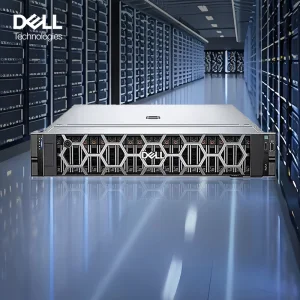
NexoraGPU
NexoraGPU
NexoraGPU
High-density GPU racks and enterprise servers optimized for compute integration and proprietary Software Development Toolkits (SDKs).
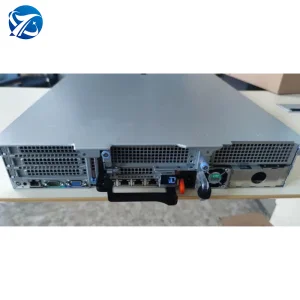
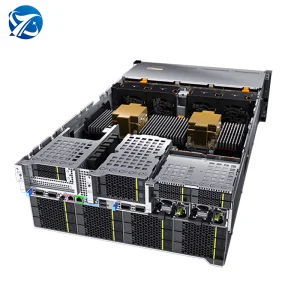
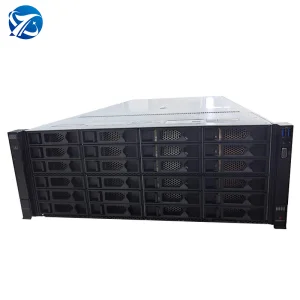
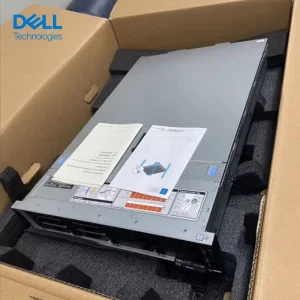
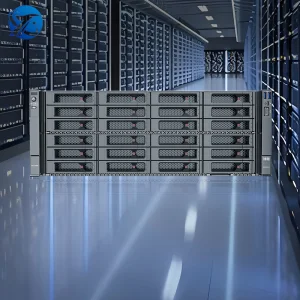
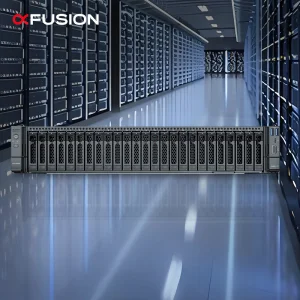
Modern computational frameworks demand an absolute alignment between hardware layers and Software Development Toolkits (SDKs). In the landscape of artificial intelligence, machine learning, and high-performance computing (HPC), buying bare-metal servers is no longer sufficient. Enterprise procurers look for integrated hardware systems equipped with robust libraries, driver frameworks, and SDKs that enable rapid application deployment. As a premier China Wholesale Software Development Toolkit Manufacturer and System Integrator, we bridge this gap by delivering optimized rack infrastructure engineered to run CUDA, ROCm, OpenVINO, oneAPI, and containerized deployment frameworks seamlessly.
This industry-level whitepaper explores how the synergy of optimized hardware architectures (such as the Dell PowerEdge and xFusion FusionServer series) and customized Software Development Toolkits maximizes processing throughput, reduces developer friction, and ensures enterprise compliance across global markets. By aligning physical execution pipelines with compiler toolkits, enterprises can scale deep learning model training (such as DeepSeek and LLaMA) from pilot projects to hyperscale operations.
Standardizing system APIs to allow direct access to GPU pipelines, minimizing processing overhead and software abstraction latency in high-density rack configurations.
Deep hardware-software co-design ensures libraries like PyTorch and TensorFlow execute commands with direct kernel mapping to compute units.
Integrates firmware security layers, secure boot mechanisms, and encrypted memory address spaces to support enterprise compliance guidelines.
Nexora Intelligent Technology Co., Ltd. (Brand: NexoraGPU) — A trusted manufacturer of high-performance servers, storage clusters, and hardware-software integration toolkits.
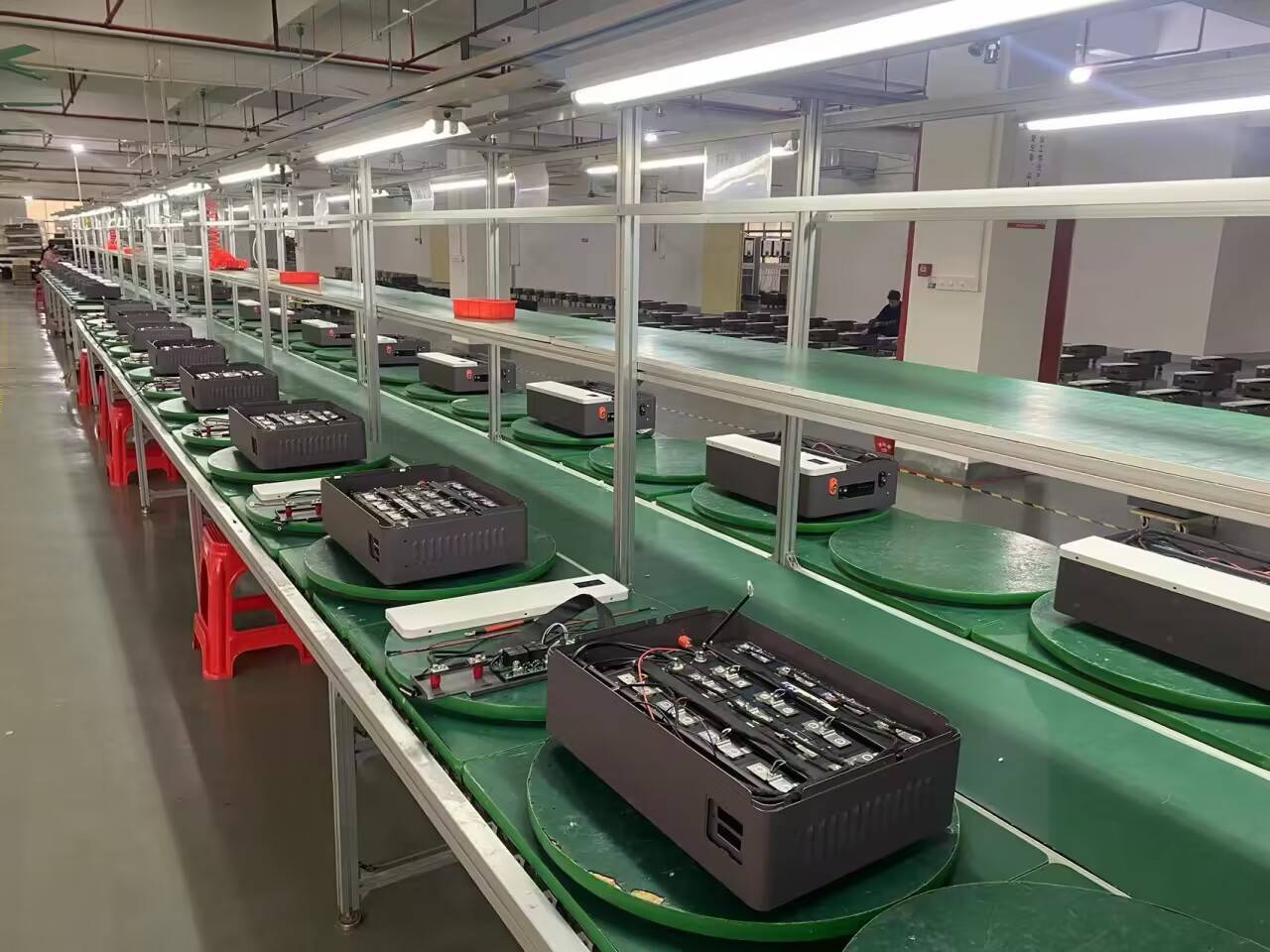
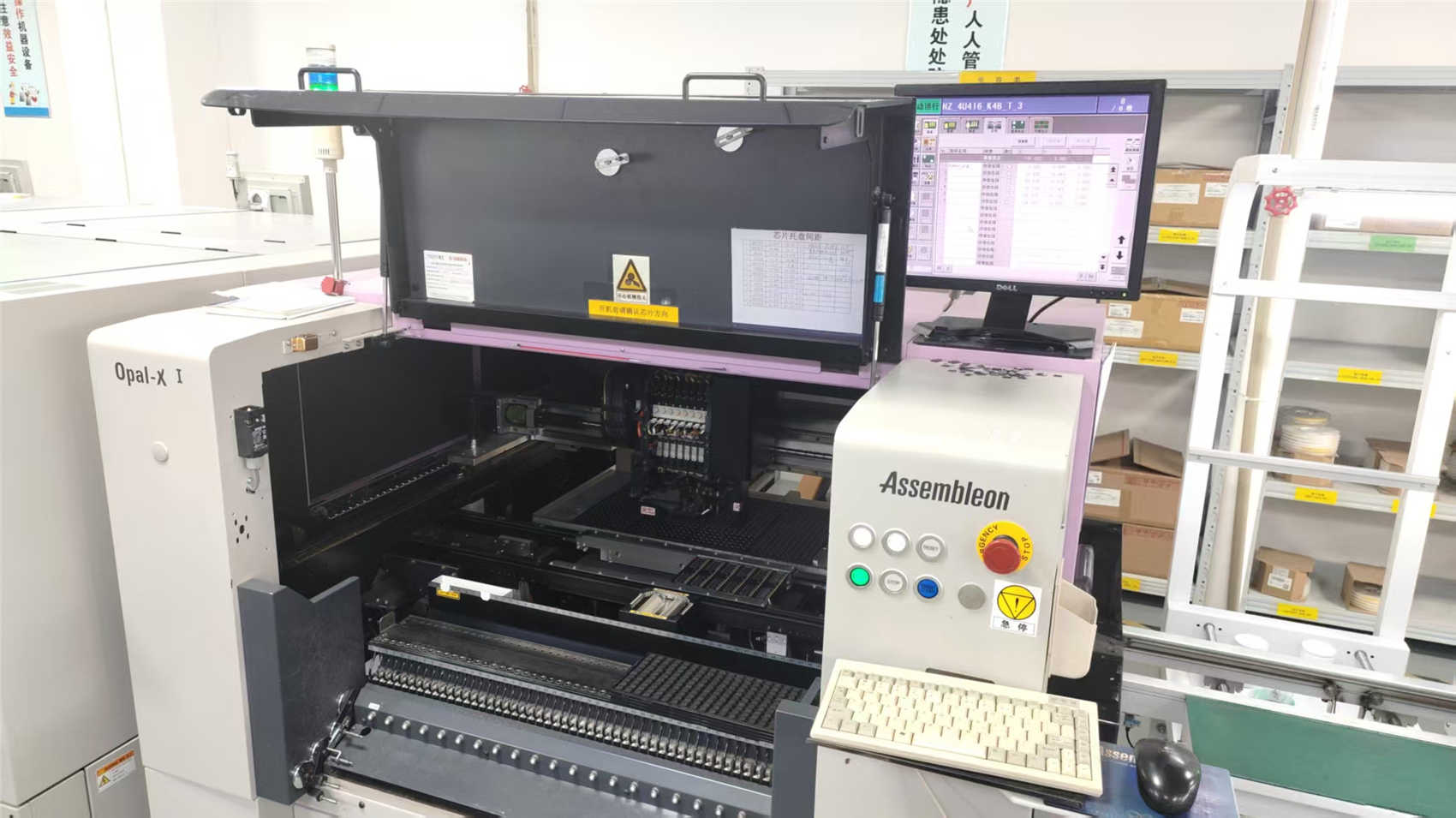
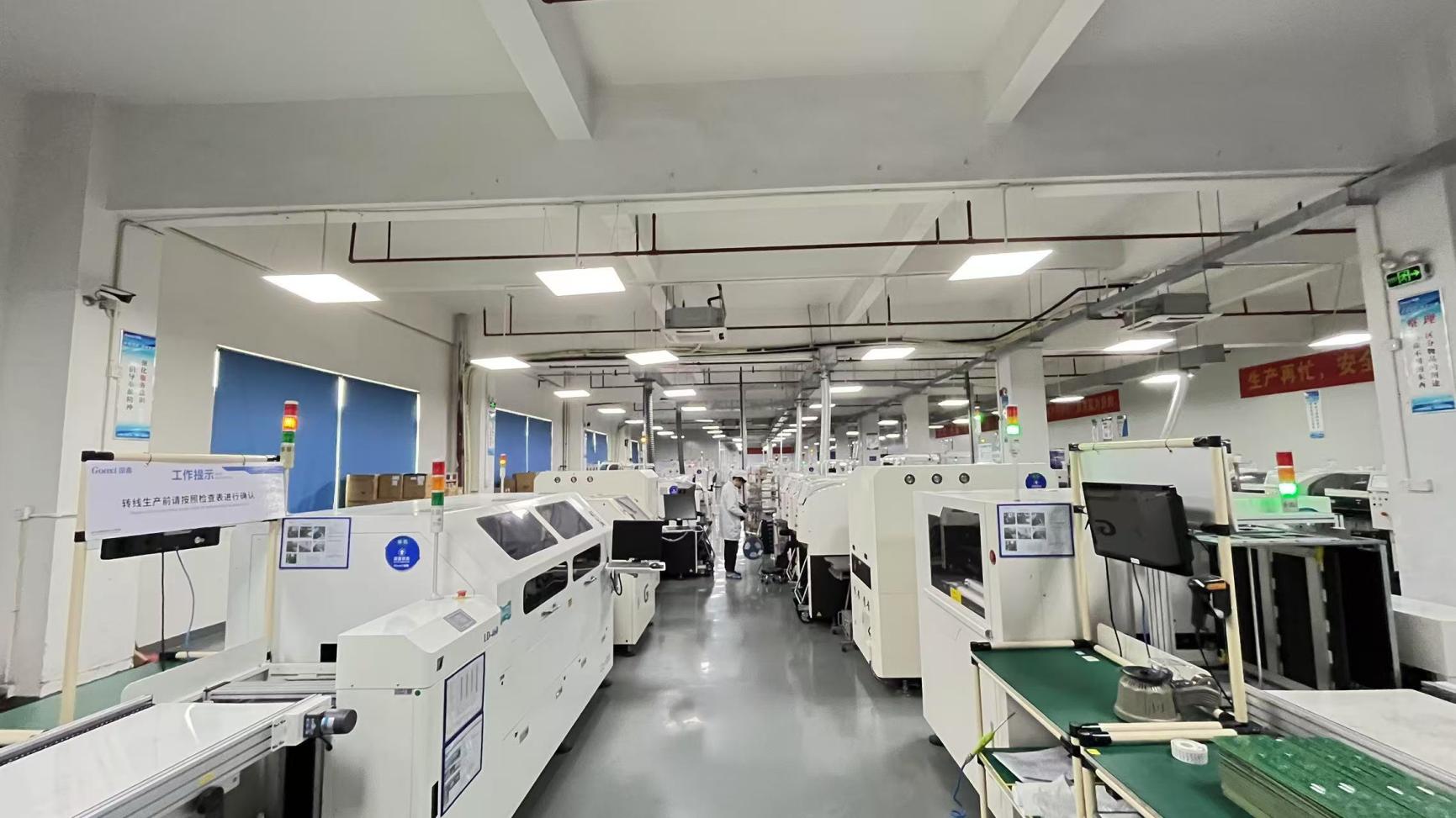
Founded in 2017, Nexora Intelligent Technology Co., Ltd. is a professional manufacturer specializing in high-performance GPU servers, AI computing systems, HPC clusters, storage servers, and customized data center infrastructure solutions. With a modern production facility covering 386㎡, we provide reliable and scalable computing platforms for enterprises, AI startups, research institutes, universities, cloud service providers, and data centers worldwide.
Leveraging 9 years of industry experience and 6 years of export experience, NexoraGPU has established a strong reputation in the global AI computing market. Our annual export revenue exceeds US$18 million, serving customers across North America, Europe, Southeast Asia, the Middle East, and South America.
We maintain a rigorous quality management system supported by 42 professional quality control personnel. Every product undergoes comprehensive testing procedures, including component verification, burn-in testing, thermal performance testing, power stability testing, compatibility validation, and final system inspection before shipment. Quality inspection methods include 100% functional testing, aging tests, and performance benchmarking to ensure reliable operation in demanding environments.
NexoraGPU operates as an OEM & ODM manufacturer with direct export capabilities, supported by a robust network of more than 1,250 supply chain partners. Our primary customers include AI solution providers, cloud computing companies, system integrators, research institutions, government projects, universities, and enterprise data centers.
Innovation remains at the core of our business. Our in-house R&D department consists of 128 experienced engineers specializing in server architecture, thermal design, AI infrastructure deployment, and hardware optimization. We offer comprehensive customization services, including GPU configuration, chassis design, storage architecture, networking solutions, branding, firmware optimization, and rack-level deployment.
Last year alone, NexoraGPU successfully launched 86 new products, further expanding our portfolio of AI servers, GPU workstations, edge computing systems, and enterprise storage platforms. Our advanced R&D capabilities enable us to rapidly develop tailored solutions that meet the evolving requirements of artificial intelligence, machine learning, deep learning, scientific computing, and cloud infrastructure applications.

Procuring hardware for AI applications is complex. Procurement officers must balance technical metrics such as memory bandwidth, thermal thresholds, and compute density, with software realities such as driver lifespan, SDK updates, and architectural compatibility. NexoraGPU acts as a critical link, providing bare-metal acceleration hardware that is pre-validated for major Software Development Toolkits.
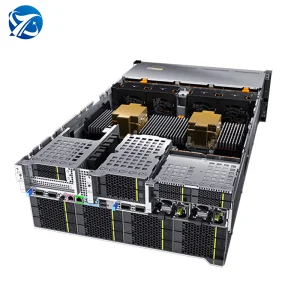
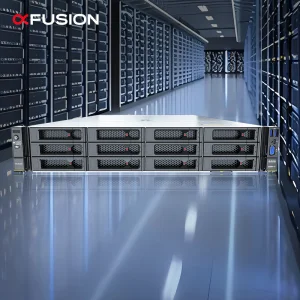
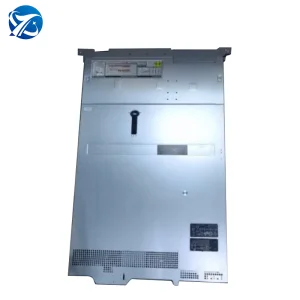
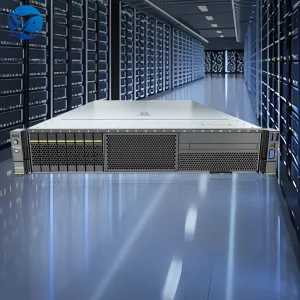
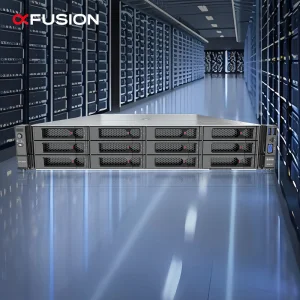
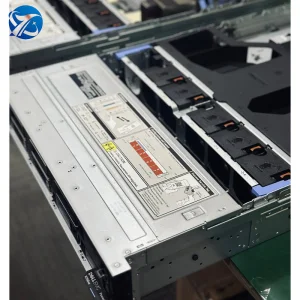
Traditional CPU architectures face compute limits when handling massive neural networks. Today's software architectures are written directly for GPU execution spaces using programming libraries. Consequently, system developers require hardware that seamlessly exposes CUDA cores or AMD CDNA execution units. Platforms like the FusionServer 5288 V6 and Dell PowerEdge R760 are designed with high-density PCIe architectures to ensure low latency communication between CPU-side system software and GPU-side acceleration toolkits.
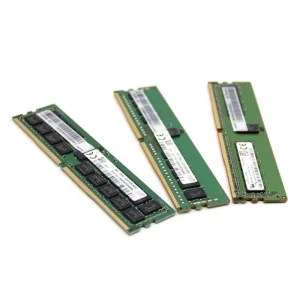
As computational models grow in parameter count, the need for faster memory access becomes paramount. The 6th Generation Intel Xeon servers, running DDR5 RAM at 6400MT/s, provide the memory bandwidth required to prevent data starvation at the processor level. When running localized software development environments, developers rely on this throughput to run multiple containers, databases, and validation tests concurrently without platform degradation.
Quantitative analysis platforms leverage specialized financial SDKs running on R760XD2 rack units to run real-time risk calculations and algorithmic executions.
AI computer vision models trained on GPU nodes process MRI and CT scan files utilizing specialized DICOM parsing toolkits and fast SSD storage arrays.
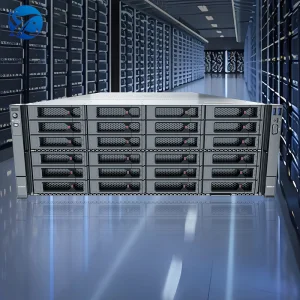
Developer environments configured on 4U deep learning racks allow engineering teams to simulate millions of driving miles in highly parallel virtual settings.
Deploying AI servers on a global scale requires meticulous attention to regional standards, power specifications, and compliance guidelines. At NexoraGPU, our team of 128 engineers works alongside our 42 QC professionals to ensure every piece of hardware leaving our facility complies with the electrical and electromagnetic interference standards of target markets (including CE, FCC, RoHS, and UL guidelines).
Furthermore, localizing compute hardware involves integrating native BIOS languages, configuring baseboard management controllers (BMCs) for out-of-band enterprise management protocols, and supplying localized power distribution units (PDUs) matching specific regional standard voltages. Whether you are deploying servers in European colocation facilities, North American enterprise data centers, or regional cloud nodes in Southeast Asia, NexoraGPU ensures hassle-free import, compliance validation, and long-term hardware reliability.
As computational demands rise, hardware-software architectures must adapt. The roadmap for high-performance servers points toward two distinct paradigm shifts: advanced thermal solutions and universal compiler abstraction.
As CPU thermal design power (TDP) breaches 350W and GPU targets exceed 700W, traditional air cooling is reaching its physical limits. NexoraGPU is actively developing hybrid and direct-to-chip liquid cooling systems. By optimizing internal server layouts, we enable system management SDKs to dynamically regulate coolant flow alongside compute loads, reducing power usage effectiveness (PUE) ratios and scaling system longevity.
On the software front, developers are moving away from proprietary, vendor-locked software stacks. The rise of multi-platform Software Development Toolkits (SDKs) and container platforms like Docker and Kubernetes allows code written for one processing architecture to execute on another with minimal modifications. NexoraGPU's hardware optimization roadmap guarantees that our system platforms remain compatible with open-source development ecosystems, offering enterprises the freedom to switch compute cards without rewriting their software stack.
Key technical and procurement details answered by our system engineering and SEO growth team.
How does NexoraGPU ensure compatibility with standard Software Development Toolkits (SDKs)?
We configure our GPU and CPU server solutions (such as the FusionServer and Dell PowerEdge platforms) using standardized UEFI, IPMI, and Redfish APIs. Our engineers pre-validate system architectures with major compiler frameworks (CUDA, ROCm, OpenVINO) to ensure that code compile times and execution sequences run without hardware bottlenecks.
Can we request custom OEM/ODM firmware configurations for enterprise deployments?
Yes, NexoraGPU is an OEM & ODM manufacturer. We provide customization for BIOS options, firmware branding, out-of-band management protocols, PCIe lane allocations, and specialized Linux/Windows kernel installations to align with your proprietary software architectures.
What are the lead times and shipping capabilities for wholesale orders?
Backed by our network of over 1,250 supply chain partners, we can source, assemble, and test server hardware configurations rapidly. Standard configuration orders typically ship within 7 to 15 business days, while highly customized ODM hardware structures require 4 to 6 weeks for development and validation.
How does your quality control team inspect systems before exporting?
Our 42-person QC department executes a 100% functional check on all systems. This includes a minimum 24-hour thermal burn-in stress test, memory parity checks, SSD speed verifications, network port stability tests, and compliance validation before shipping.
Do you support deep learning configurations for models like DeepSeek 671B?
Absolutely. We supply high-density GPU nodes (such as the PowerEdge R760 and FusionServer G5200 V7) that support multi-GPU NVLink setups. These systems are specifically designed to meet the high bandwidth and memory capacities required to host and run inference on large parameter models like DeepSeek 671B.
What is the warranty and technical support policy for international clients?
We provide a standard 3-year hardware warranty on our enterprise platforms. Our R&D team of 128 engineers provides remote technical support to assist your data center administrators with hardware troubleshooting, system deployment, and firmware updates.
Industrial computer platforms and rack cabinets optimized for data redundancy, cloud services, and virtual machine setups.