NexoraGPU
NexoraGPU
NexoraGPU
High-throughput GPU servers, multi-socket workstations, and high-performance networks engineered to support deep learning, consensus protocol verification, and decentralized computing infrastructure.
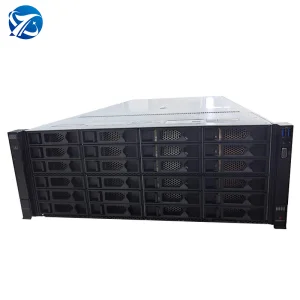
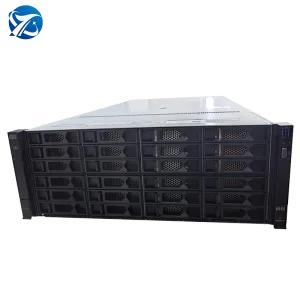
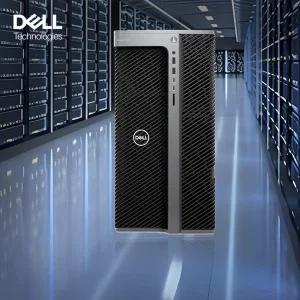
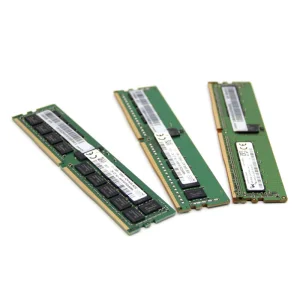
Blockchain technology has successfully transitioned from an experimental software paradigm to the backbone of global decentralized financial systems, sovereign asset networks, and Decentralized Physical Infrastructure Networks (DePIN). Today, the performance of blockchain algorithms is tightly coupled with physical hardware capabilities. The global blockchain computing infrastructure requires raw throughput, thermal resilience, and hyper-reliable networks to process millions of transactions per second (TPS) while maintaining cryptographic consensus.
As consensus mechanisms evolve beyond raw energy consumption (Proof-of-Work) toward zero-knowledge proof calculations (ZKP) and decentralized processing networks (Proof-of-Useful-Work/AI integration), the hardware must adapt. Advanced GPU server designs, massive multi-socket configurations, and rapid-access NVMe SSD arrays are crucial for supporting high-performance Layer-1 and Layer-2 blockchains.
As wholesale exporters operating from China's premier technology clusters, we bridge the gap between chip fabricators and global deployment nodes. By aligning with top component manufacturers, we ensure that our customers acquire computing solutions capable of running next-generation validator protocols with zero downtime.
Founded in 2017, Nexora Intelligent Technology Co., Ltd. (operating globally under the premier brand NexoraGPU) is a specialized ODM & OEM manufacturer of industrial GPU computing platforms, high-performance network storage nodes, and custom server infrastructure. With 9 years of industry experience and 6 years of export experience, we design, build, and deploy servers optimized for distributed computing, deep learning, and cryptographic hash operations.
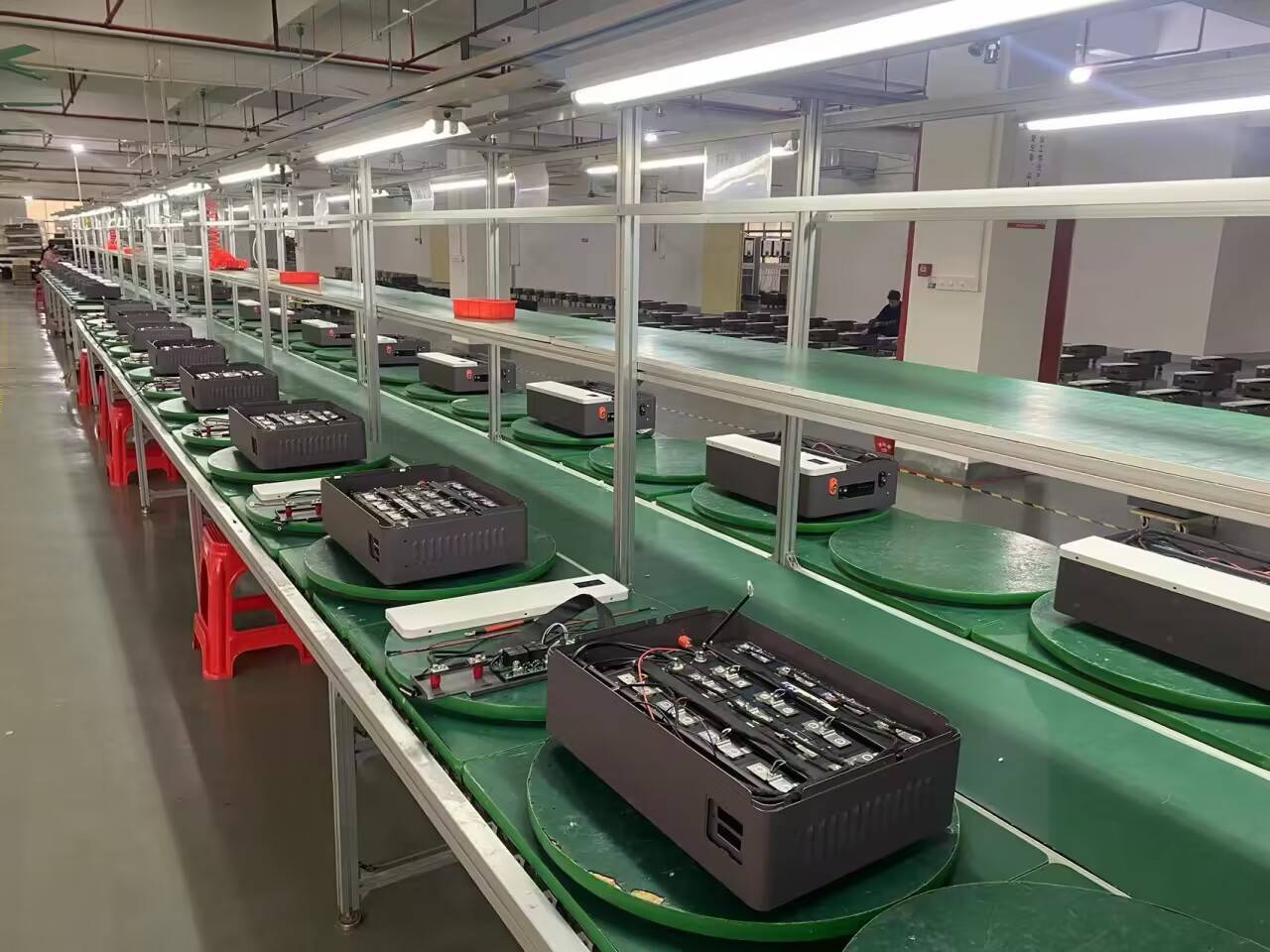
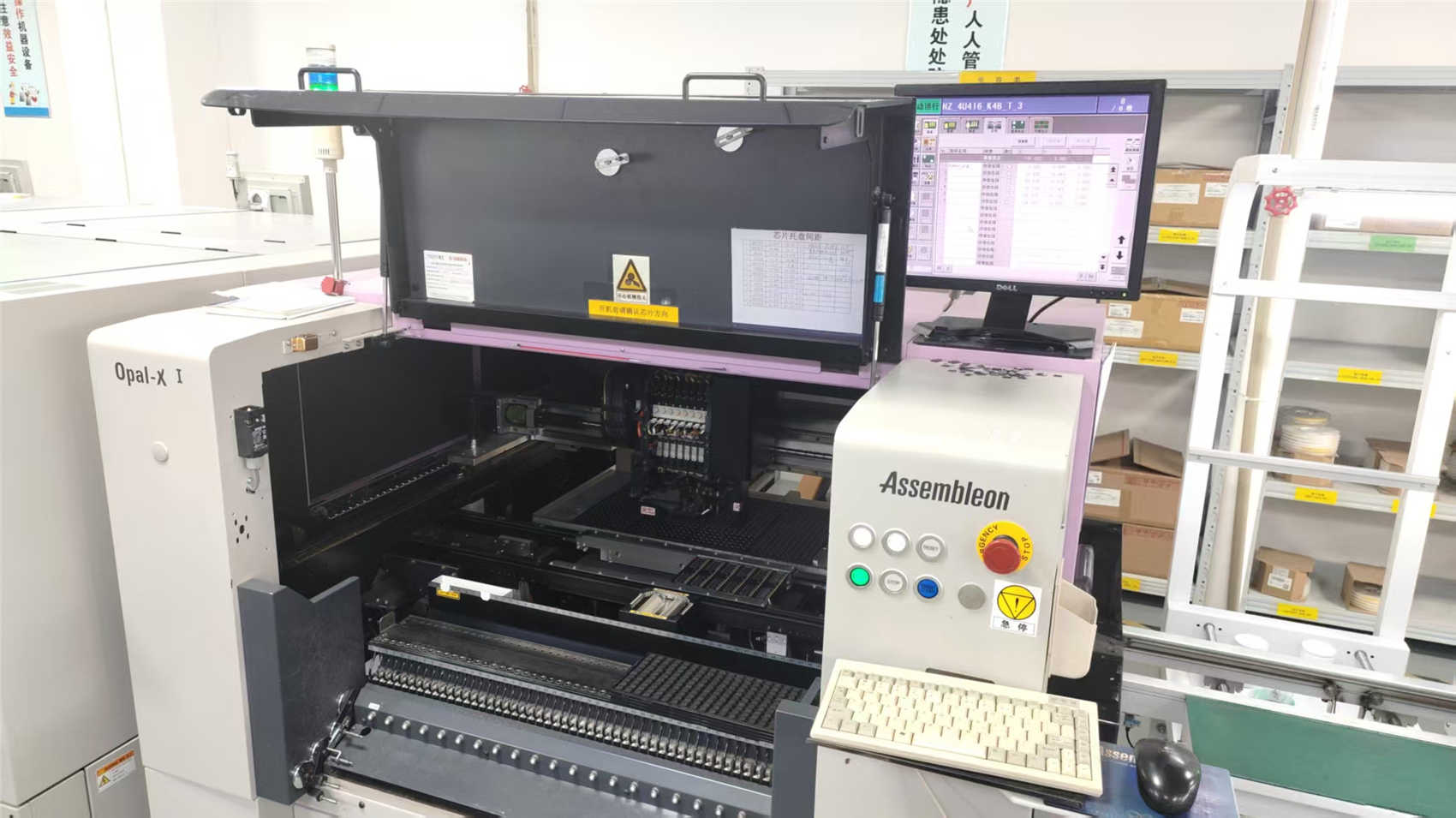
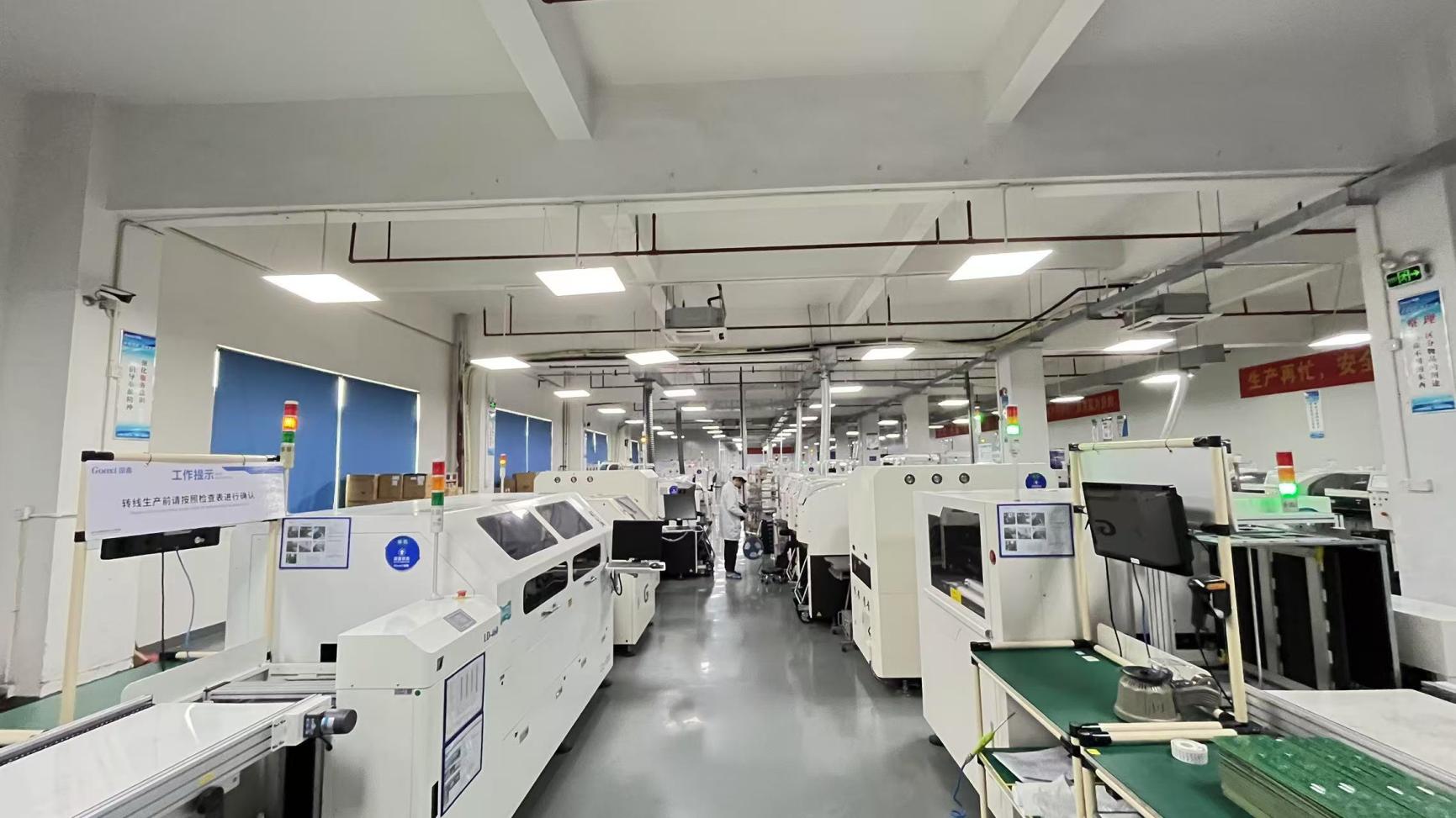
Our operations span a modern 386㎡ facility focused on precision assembly, configuration benchmarking, and thermal testing. NexoraGPU has emerged as a reliable partner in the global computing space, generating over US$18 million in annual export revenues by delivering robust enterprise gear to North America, Europe, the Middle East, and APAC.
Quality reliability is guaranteed through our 42 professional quality control experts who oversee component-level verification, thermal performance validation, burn-in operations, and power integrity tests. With a supply network comprising more than 1,250 partners, we secure high-performance parts at competitive price points.
Innovation remains the core driver of NexoraGPU. Our facility features a dedicated department of 128 experienced system engineers focused on structural hardware design, thermal engineering, software bios customization, and deep network configuration optimization. Last year, NexoraGPU launched 86 new products, reinforcing our ability to quickly address shifts in the computing market.
Our customization (OEM/ODM) pathways cover hardware modification (such as specialized GPU layout chassis, high-capacity enterprise storage configs, and custom high-speed network interfaces), firmware bios optimization, and turnkey server cabinet system configuration.

Decentralized protocols demand hardware optimized for specific cryptographic mathematical processes. Explore our architectural roadmap designed for performance, efficiency, and scale.
Layer-2 scaling solutions (like zkRollups) rely heavily on complex cryptographic proof generation. This process involves massive multi-scalar multiplications (MSM) and number theoretic transforms (NTT). Traditional CPUs struggle under these math workloads. Next-generation servers utilize high-bandwidth GPU clusters to accelerate calculation timelines, reducing validation periods from hours to seconds.
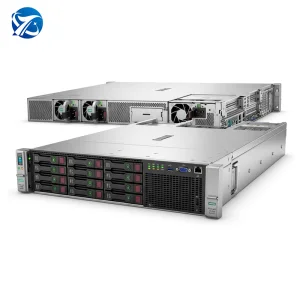
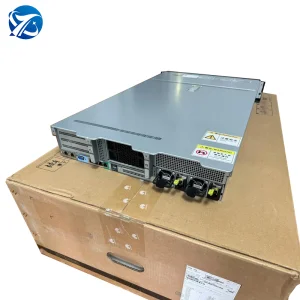
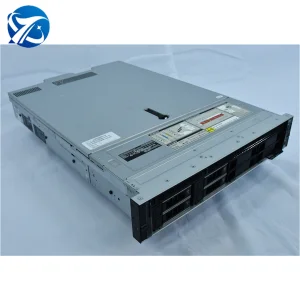
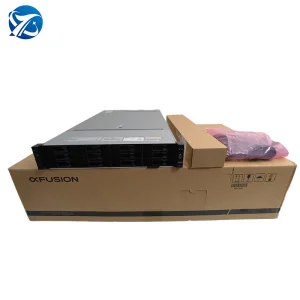
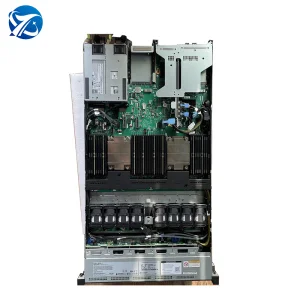
Decentralized Physical Infrastructure Networks (DePIN) distribute storage, wireless, and computing workloads to hardware nodes worldwide. This approach requires cost-effective, robust 1U and 2U rack server designs equipped with multi-terabyte SSD storage pools, redundant networking, and low power-draw parameters to maximize edge-node efficiency.
Modern protocols separate data availability, validation consensus, and transaction execution. Hardware nodes are tailored for their specific tasks: consensus nodes require low-latency network connections, whereas execution nodes demand fast NVMe memory arrays and substantial system memory capacities (such as RDIMM DDR4/DDR5 setups) to maintain state transitions.
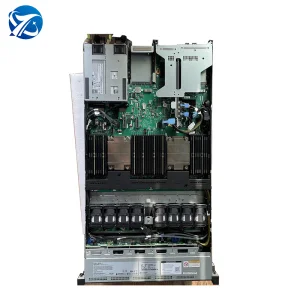
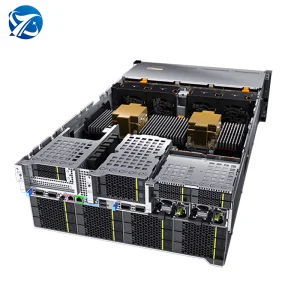
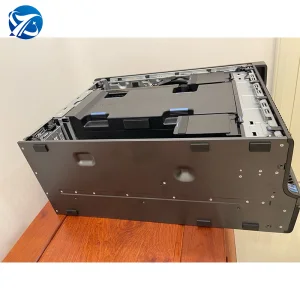
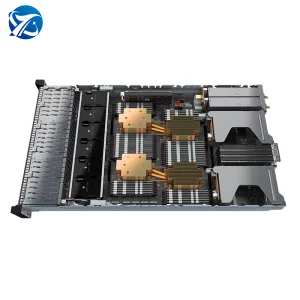
Optimizing standard server chassis design with high-airflow fans and dedicated heatsinks to accommodate up to eight 350W+ accelerator GPUs without thermal throttling.
Deploying direct-to-chip liquid cooling systems in high-density nodes to lower Power Usage Effectiveness (PUE) metrics and extend hardware lifetimes in warmer data center spaces.
Engineering specialized nodes capable of executing large language models (like DeepSeek) while logging verification hashes directly onto decentralized ledgers.
Different enterprise deployment environments present distinct structural challenges. Standard servers often struggle under the specific data access patterns of blockchain ledgers. NexoraGPU develops custom, application-specific hardware profiles designed to optimize performance in various operational environments:
National logistic systems and cross-border trade networks require local execution and storage configurations. Our servers use redundant network connections and fast SATA SSD drives (like PM893 arrays) to keep ledger writes synchronized across key regional ports and distribution points.
High-frequency block execution requires reliable, low-latency performance. We build systems utilizing 4-socket setups, RDIMM DDR4/DDR5 system memory, and 10Gbps network cards to reduce transaction processing delays.
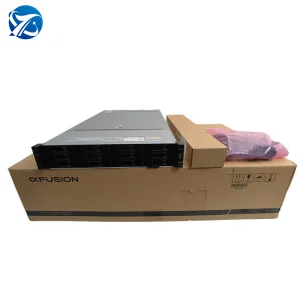
Proof-of-Useful-Work algorithms run complex AI model training and inference. Deploying our GPU rack platforms (like the xFusion 2258 V7 or G5200 V7 series) enables operators to rent out raw computational resources to AI startups while securing blockchain rewards.
Technical answers addressing the configuration, power, thermal management, and network requirements of enterprise validator and compute nodes.
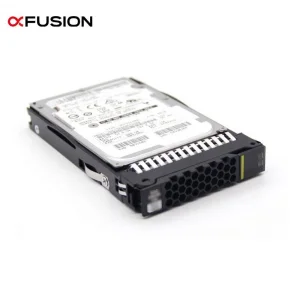
High-IOPS solid-state drives, enterprise 2U configurations, and high-density GPU platforms designed to support storage-heavy protocols and decentralized physical infrastructure.