NexoraGPU
NexoraGPU
NexoraGPU
High-throughput servers optimized for high-bandwidth RoCEv2, InfiniBand, and dense GPU interconnects.
An authoritative analysis of high-throughput network architectures, protocol evolution, and hardware co-design.
In the contemporary digital landscape, characterized by the explosion of generative AI models (such as DeepSeek, GPT-4, and complex LLMs) and massive-scale data center workloads, the traditional boundaries of network hardware and software have dissolved. High-Performance Computing (HPC) and artificial intelligence infrastructure demand a structural shift in how data moves across host channels. Network protocols are no longer simple communication scripts; they are the core determinants of computational throughput, processing latency, and cluster efficiency.
As enterprises scale their computational networks, a crucial choice emerges: whether to deploy dedicated InfiniBand (IB) fabrics or leverage standard Ethernet optimized with RDMA over Converged Ethernet (RoCEv2). Understanding the trade-offs between these networking protocols is vital for scaling AI inference and training architectures effectively:
| Protocol / Metric | Transport Layer | Latency (µs) | Lossless Requirement | Cost Profile | Infrastructure Type |
|---|---|---|---|---|---|
| Traditional TCP/IP | TCP / IP (Kernel Stack) | 10 - 50 | No (Handles drops natively) | Very Low | Standard Ethernet |
| RoCEv2 (RDMA) | UDP / IP (Hardware Stack) | 1 - 3 | Yes (Requires PFC / ECN) | Medium | Converged Ethernet (SmartNICs) |
| InfiniBand | InfiniBand Native (L2/L3) | 0.5 - 1.5 | Yes (Credit-based physical) | High | Proprietary IB Switches & HCAs |
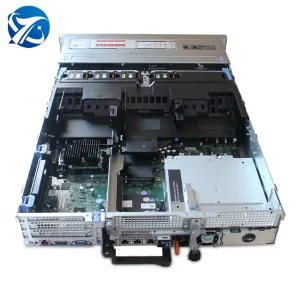
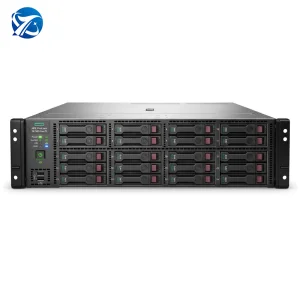
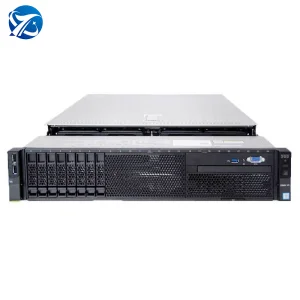
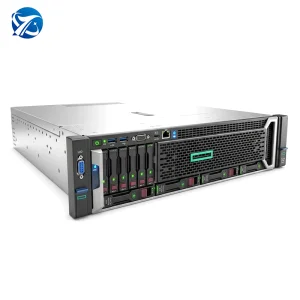
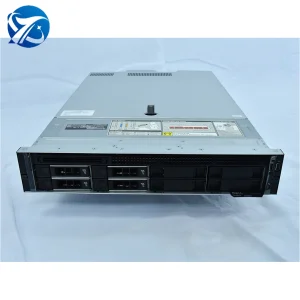
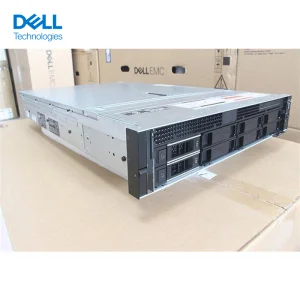
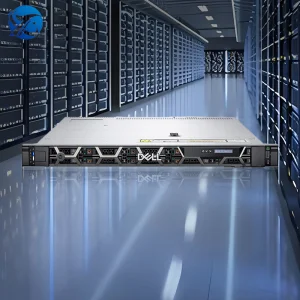
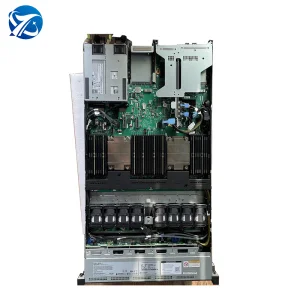
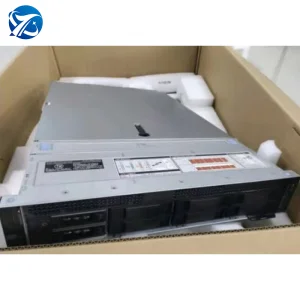
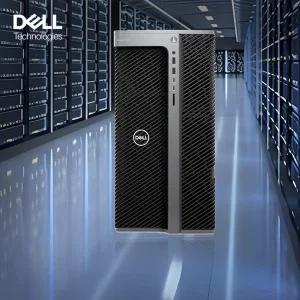
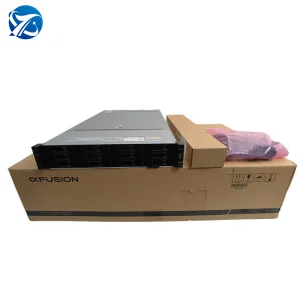
To support high-throughput, low-latency protocols, physical host servers (such as Dell PowerEdge R960, xFusion 2288H V7, and HPE ProLiant Gen12) must utilize specialized network interface adapters known as SmartNICs or DPUs (Data Processing Units). By offloading protocol stacks directly onto the NIC silicon, host CPUs are freed to focus entirely on core application logic and AI execution:
Implementing optimized networking protocols requires a coordinated integration of software stacks, switches, and high-performance server configurations. Below are common enterprise solutions:
In hyper-converged scenarios, storage traffic (NVMe over Fabrics) and VM migration traffic run concurrently over the same physical network. By deploying RoCEv2 across dual-socket HPE ProLiant Compute DL360 Gen12 or xFusion 2288H V7 nodes, organizations achieve microsecond-level access to distributed storage pools. Setting up traffic classes via VLAN tagging ensures storage packets take precedence over background management traffic, maintaining consistent I/O operations per second (IOPS).
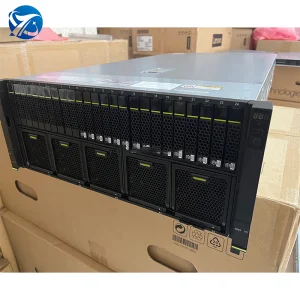
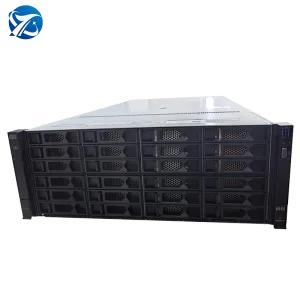
For large-scale AI training, servers like the FusionServer 5288 V5 AI Server or xFusion 2258 V7 are equipped with multiple PCIe Gen5 GPU accelerators. These nodes are interconnected via a non-blocking spine-leaf network topology using 400G RoCEv2. Implementing DCQCN (Data Center Quantized Congestion Notification) on the switches and NICs prevents buffer overruns and packet drops, which would otherwise stall the entire parallel training run.
How industry leaders leverage optimized hardware networks to scale global operations.
Standardizing on RoCEv2 across commodity Ethernet architectures to significantly lower CAPEX while sustaining low-latency execution for containerized applications and cloud-native databases.
Leveraging FPGA-accelerated servers and custom ultra-low latency protocols to execute algorithmic trades within nanosecond windows, maximizing execution advantage.
Deploying ruggedized short-depth server nodes utilizing TSN (Time-Sensitive Networking) and deterministic Ethernet to coordinate multi-sensor data processing under harsh conditions.
A premier manufacturer and OEM/ODM supplier of high-performance GPU compute systems and server infrastructure.
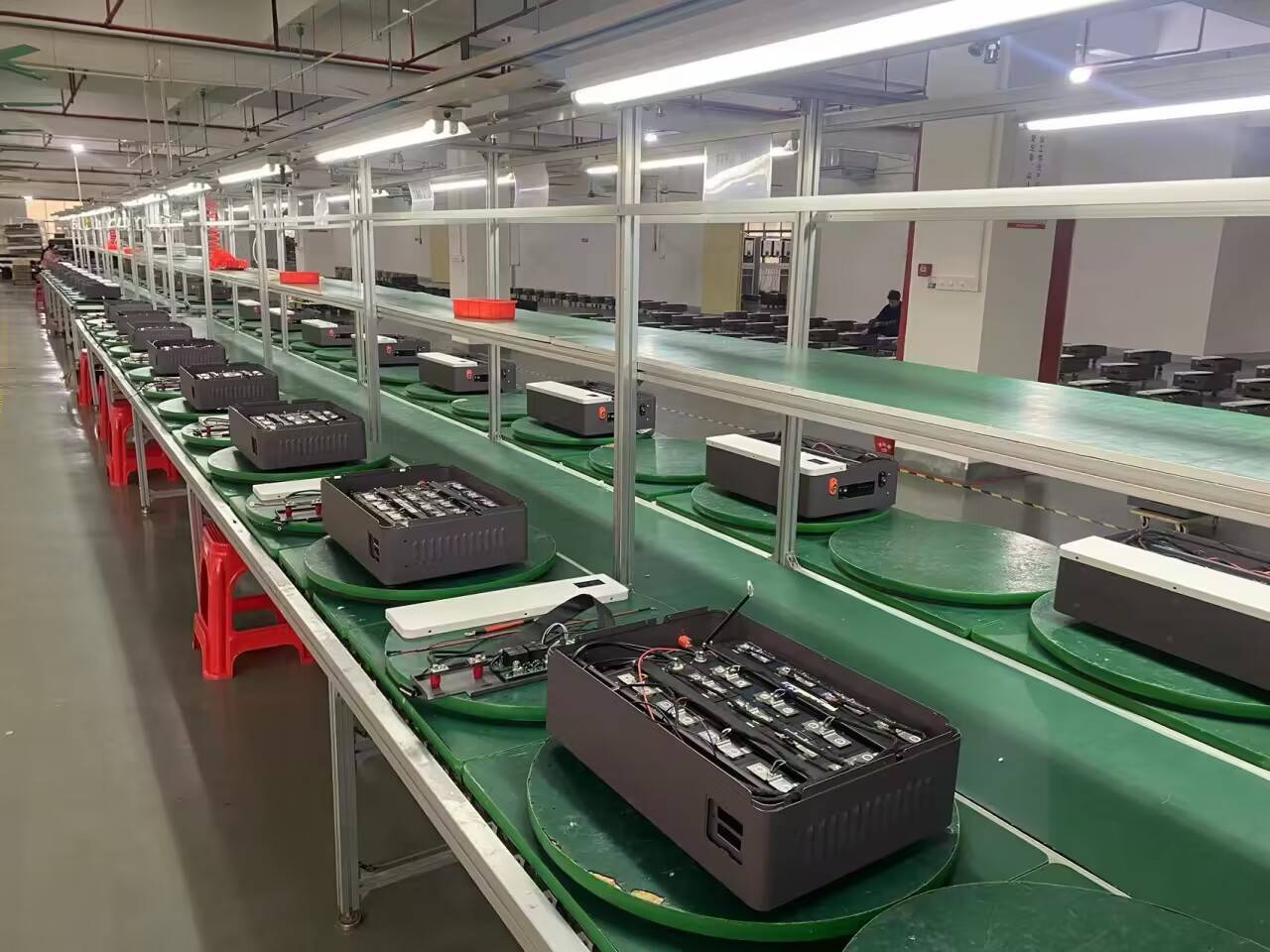
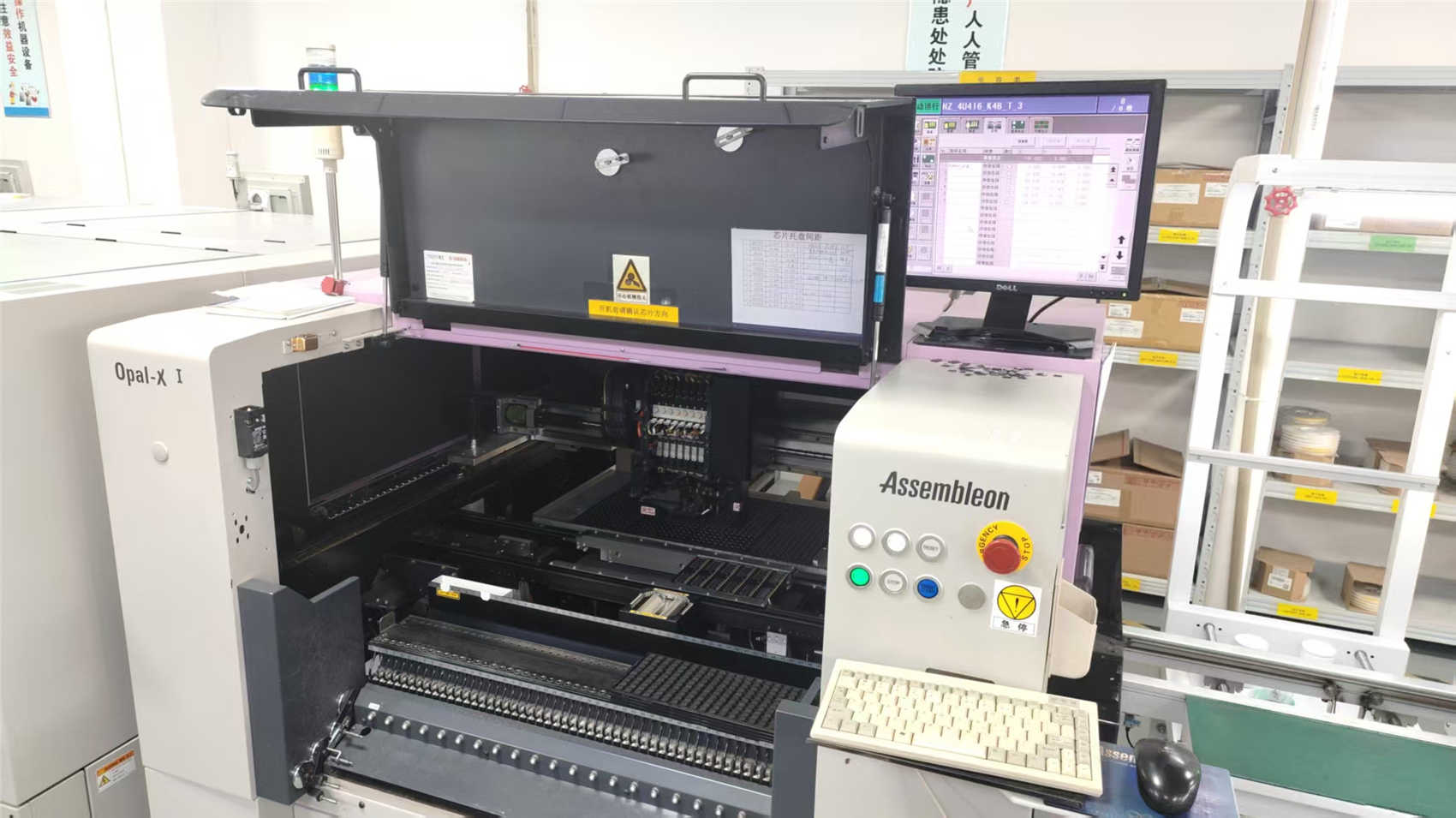
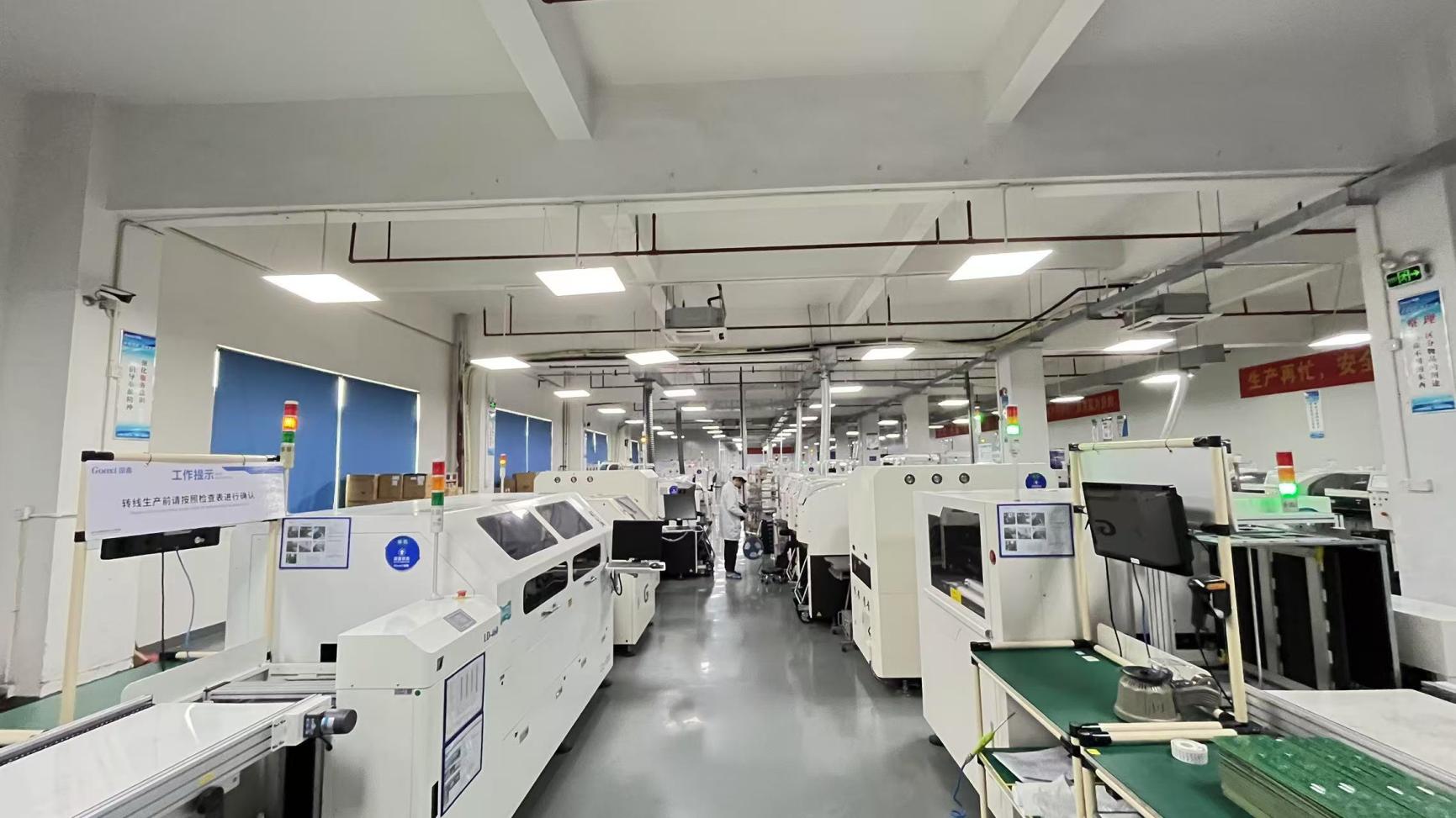
Founded in 2017, Nexora Intelligent Technology Co., Ltd. (operating under the brand NexoraGPU) is a professional manufacturer specializing in high-performance GPU servers, AI computing systems, HPC clusters, storage servers, and customized data center infrastructure solutions. With a modern production facility covering 386㎡, we provide reliable and scalable computing platforms for enterprises, AI startups, research institutes, universities, cloud service providers, and data centers worldwide.
Leveraging 9 years of industry experience and 6 years of export experience, NexoraGPU has established a strong reputation in the global AI computing market. Our annual export revenue exceeds US$18 million, serving customers across North America, Europe, Southeast Asia, the Middle East, and South America.
We maintain a rigorous quality management system supported by 42 professional quality control personnel. Every product undergoes comprehensive testing procedures, including component verification, burn-in testing, thermal performance testing, power stability testing, compatibility validation, and final system inspection before shipment. Quality inspection methods include 100% functional testing, aging tests, and performance benchmarking to ensure reliable operation in demanding environments.
NexoraGPU operates as an OEM & ODM manufacturer with direct export capabilities. Our primary customers include AI solution providers, cloud computing companies, system integrators, research institutions, government projects, universities, and enterprise data centers. Last year alone, NexoraGPU successfully launched 86 new products, further expanding our portfolio of AI servers, GPU workstations, edge computing systems, and enterprise storage platforms.

Answers to complex networking issues faced by systems administrators, network engineers, and CTOs.
RoCEv2 implements Remote Direct Memory Access (RDMA) over UDP/IP, allowing the network adapter to transfer data directly into user-space application memory without involving the host CPU. By avoiding OS kernel transitions and buffer copying, RoCEv2 drops transport latencies down to 1-3 microseconds, compared to the 20-50 microseconds typical of standard TCP/IP.
RoCEv2 is a lossless protocol. If network switches drop packets, the recovery mechanism (retry) degrades latency significantly. Priority Flow Control (PFC) operates at the link layer (IEEE 802.1Qbb), sending pause frames back to the sender when a switch buffer queue approaches its capacity limit. This temporarily halts traffic on specific classes/VLANs while letting normal web or management traffic flow uninterrupted.
Yes, absolutely. Because RoCEv2, TCP/IP, and InfiniBand are standardized protocols (governed by the IETF and InfiniBand Trade Association), servers from different manufacturers (such as HPE ProLiant Gen12 and xFusion FusionServer series) can operate in the same network fabric. The key requirement is that all participating servers use network interface cards (SmartNICs/DPUs) that support the same set of protocols and congestion control specifications.
PCIe Gen5 doubles the transfer rate of PCIe Gen4, achieving up to 32 GT/s per lane. For high-speed networking, a x16 PCIe Gen5 slot can support up to 400 Gbps of bidirectional bandwidth, which is necessary to run high-density network adapters (such as Mellanox ConnectX-7 cards) without introducing local system bottlenecks between the network and the system CPU/RAM.
Select high-performance components and computing rigs ready for global delivery.