NexoraGPU
NexoraGPU
NexoraGPU
Select high-performance computing hardware optimized for virtualization, DeepSeek system deployment, cloud storage, and database execution.
As artificial intelligence paradigms shift from static neural execution to dynamic, distributed LLMs (Large Language Models like DeepSeek), the global enterprise landscape demands hardware infrastructures that transcend traditional CPU-centric computing. The modern data center requires architectural elasticity, high-bandwidth memory access, and dense physical packaging. Fusion Servers represent the pinnacle of this technological transition.
For CIOs, data center architects, and procurement teams looking to optimize their total cost of ownership (TCO) while matching exponential computational demands, sourcing high-tier Fusion Server hardware is a strategic priority. This whitepaper analyzes the core engineering metrics, macro-industry solutions, and hardware supply networks that establish China as the premier global supplier and exporter of enterprise server units.
Key considerations in high-density server acquisition:
How international enterprises scale digital environments while addressing hardware supply constraints and hardware lifecycle management.
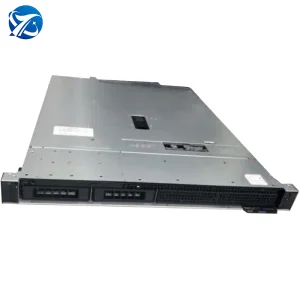
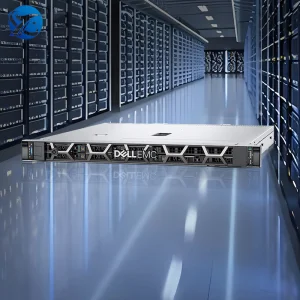
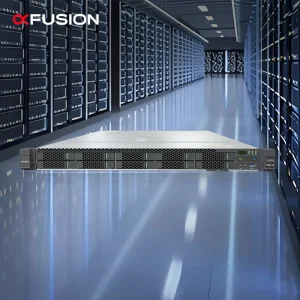
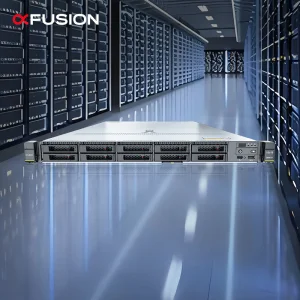
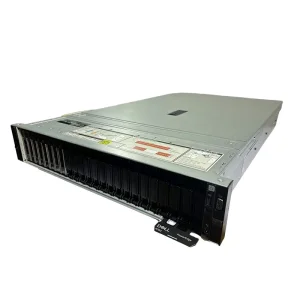
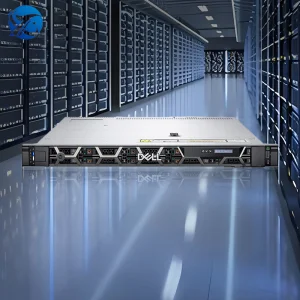
Procurement offices across North America, the EU, and the APAC region continuously seek ways to maximize rack-unit (RU) computational density. With solutions like 1U and 2U high-density systems (such as the FusionServer 1288H V6/V7 and 2258 V7), operations can double VM densities without modifying baseline cabinet dimensions.
Modern enterprise software suites rely heavily on inline machine learning models. A specialized GPU/CPU mix—supported natively by platforms like the FusionServer G5200 V7—allows companies to direct inference models to dedicated accelerators, saving valuable host CPU cycles for database I/O operations.
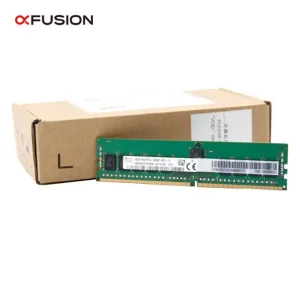
With global chip shortages and shipping bottlenecks, having a dependable China-based export partner like NexoraGPU ensures access to hard-to-source components. This includes high-capacity DDR5 RDIMM ECC modules and customized hot-swap cooling fans, minimizing system downtime.
Deploying tailored computing hardware configurations to meet complex industrial workloads, regulatory frameworks, and operational demands.
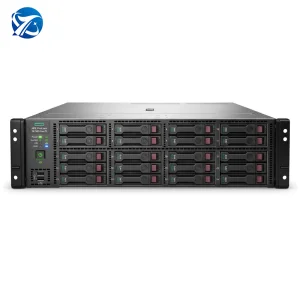
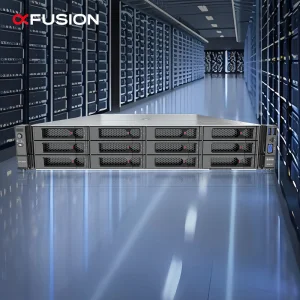
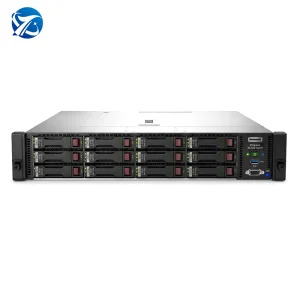
For public and private cloud providers, hardware allocation must scale dynamically. Using platforms like the HPE ProLiant DL380 Gen11 and xFusion FusionServer 2258 V7, providers can achieve massive virtualization ratios using VMware vSphere, KVM, or Proxmox VE. The combination of Intel Xeon Scalable Processors and high-capacity system memory enables seamless live migrations and virtual network routing.
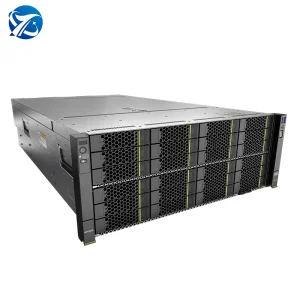
As open-source LLMs like DeepSeek gain market share, developers require GPU servers that support ultra-fast communication links. Configurations like the FusionServer G5200 V7 and custom 1U/4U AI GPU servers support PCIe Gen5 multi-card arrays. This architecture enables deep learning pipelines to sustain high token-generation speeds while minimizing training bottlenecks.
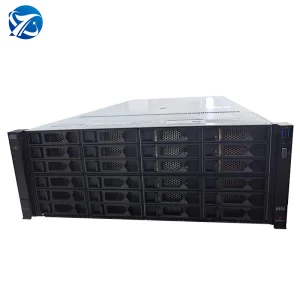
Enterprise analytics require rapid access to raw data. Using 2U rack arrays as dedicated NAS configurations allows companies to combine fast NVMe SSD storage with high-capacity SAS hard drives. Supported by ECC memory architectures, these setups prevent file-level data corruption while handling high-throughput transactional database engines.
A projection of key hardware milestones shaping enterprise computing systems over the next decade.
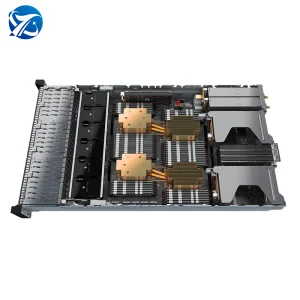
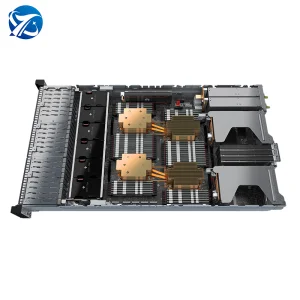
As server processor TDPs (Thermal Design Power) exceed 350W per socket, traditional air cooling is reaching its physical limits. Next-generation servers, such as the HPE ProLiant DL360 Gen12, incorporate direct-to-chip liquid cooling systems. This helps data centers reduce heat dissipation overhead, lower PUE metrics, and prevent thermal throttling under heavy, continuous workloads.
Memory bandwidth constraints often limit overall system performance. The introduction of DDR5 RDIMM modules (running up to 6400 MHz and beyond) provides the throughput required for data-intensive processing. Furthermore, CXL (Compute Express Link) protocols allow memory pooling between CPUs and GPUs, optimizing resource allocation across the server cluster.
Modern remote server management utilizes advanced BMC (Baseboard Management Controller) cards. These controllers monitor hardware health, predict fan and memory errors, and deploy security updates. In the event of a firmware compromise, self-healing BIOS architectures automatically restore a clean system image, protecting critical data center assets from unauthorized access.
A deep dive into how Chinese export logistics and supply chains support global data center deployments.
The demand for reliable enterprise computing hardware spans across global industrial hubs. Modern operations require more than just standard server configurations; they need custom-built systems tailored for specific tasks, including smart manufacturing, high-frequency trading platforms, public utility control grids, and cloud service providers. As a major server exporter, China-based companies bridge the gap between initial component manufacturing and final international deployment.
By utilizing direct shipping channels, comprehensive customs clearance, and relationships with top component manufacturers, Chinese exporters provide enterprises worldwide with reliable access to custom server systems. This approach ensures consistent hardware supply chains, helping companies avoid project delays and maintain operational efficiency.
Nexora Intelligent Technology Co., Ltd. (Brand: NexoraGPU) — Empowering global computing infrastructure.
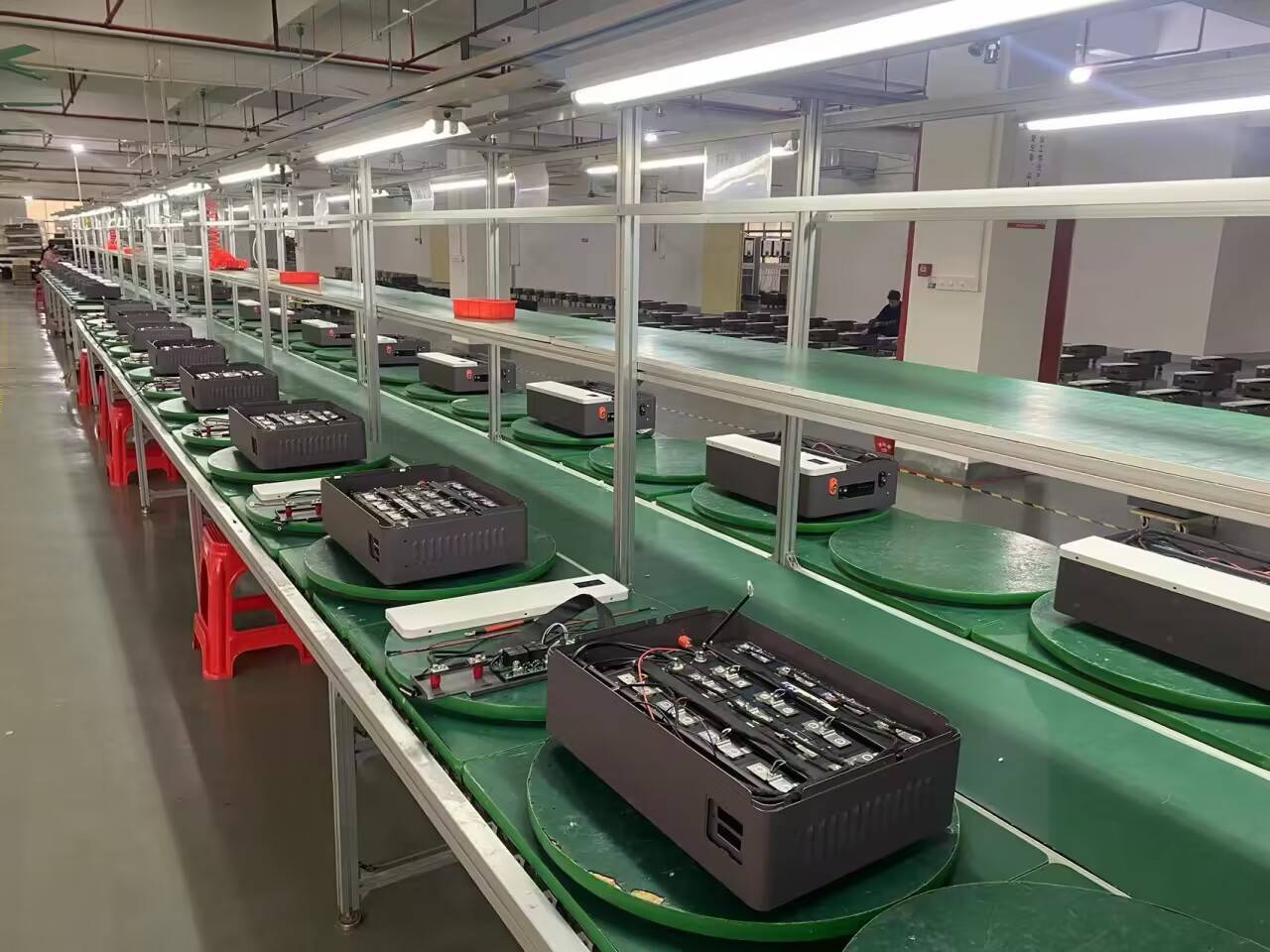
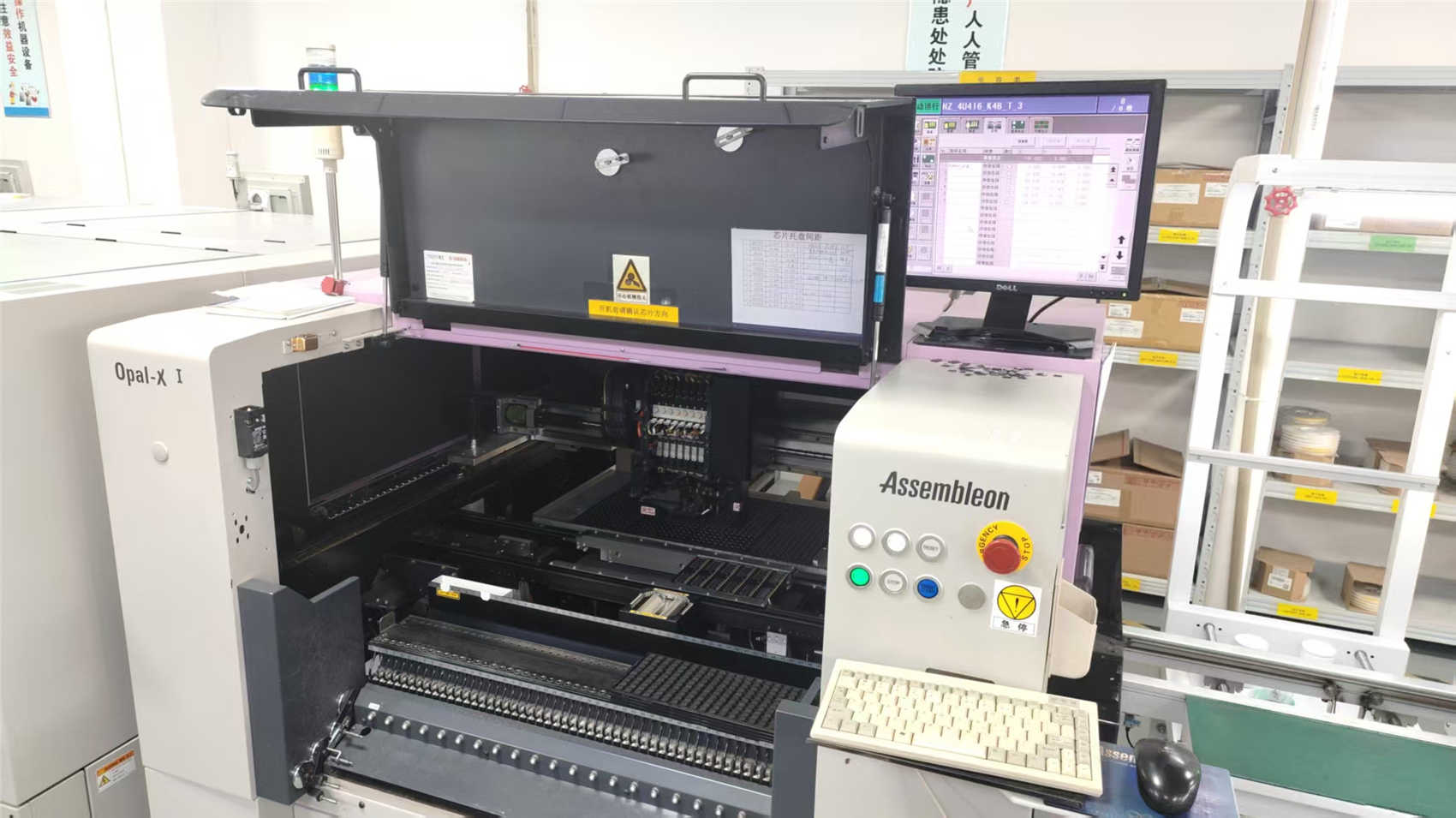
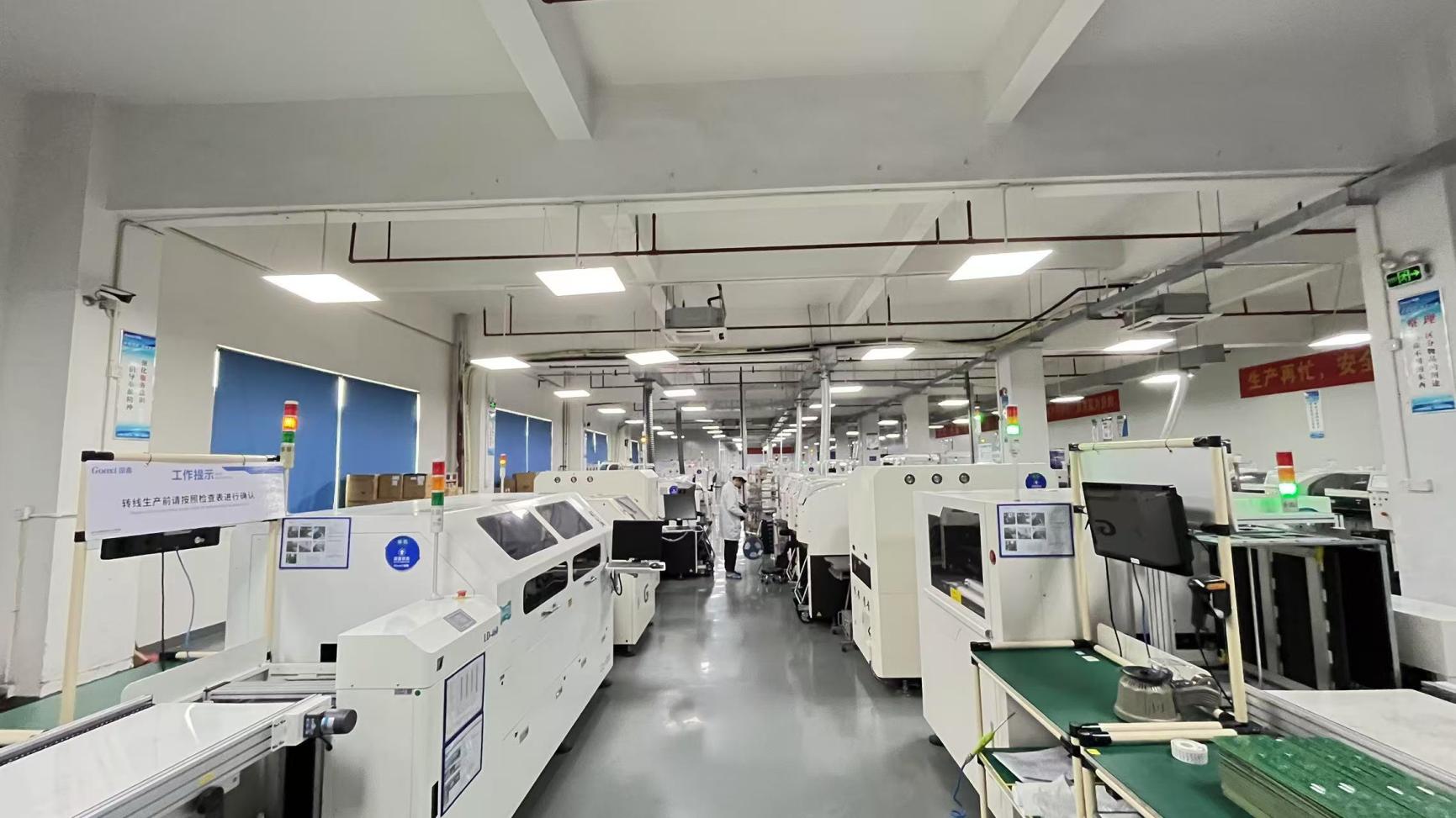
Founded in 2017, Nexora Intelligent Technology Co., Ltd. is a professional manufacturer specializing in high-performance GPU servers, AI computing systems, HPC clusters, storage servers, and customized data center infrastructure solutions. With a modern production facility covering 386㎡, we provide reliable and scalable computing platforms for enterprises, AI startups, research institutes, universities, cloud service providers, and data centers worldwide.
Leveraging 9 years of industry experience and 6 years of export experience, NexoraGPU has established a strong reputation in the global AI computing market. Our annual export revenue exceeds US$18 million, serving customers across North America, Europe, Southeast Asia, the Middle East, and South America. We operate as an OEM & ODM manufacturer with direct export capabilities, supported by a network of more than 1,250 supply chain partners.
Innovation remains at the core of our business. Our in-house R&D department consists of 128 experienced engineers specializing in server architecture, thermal design, AI infrastructure deployment, and hardware optimization. We offer comprehensive customization services, including GPU configuration, chassis design, storage architecture, networking solutions, branding, firmware optimization, and rack-level deployment. Last year alone, NexoraGPU successfully launched 86 new products.
We maintain a rigorous quality management system supported by 42 professional quality control personnel. Every product undergoes comprehensive testing procedures, including component verification, burn-in testing, thermal performance testing, power stability testing, compatibility validation, and final system inspection before shipment. Quality inspection methods include 100% functional testing, aging tests, and performance benchmarking to ensure reliable operation in demanding environments.

Navigating global technological barriers, regional electrical standards, and compliance regulations.
NexoraGPU ensures that all custom-built and supplied server systems conform to safety and environmental standards. We supply CE, FCC, RoHS, and UL-certified hardware configurations, facilitating smooth customs clearance and compliant installation across European and North American enterprise datacenters.
Global data centers operate on varying electrical systems, ranging from 110V single-phase lines to 240V high-density configurations. All shipped systems are configured with adaptive hot-swappable power supply units (PSUs) that match the electrical requirements of the destination data center, preventing power-draw issues.
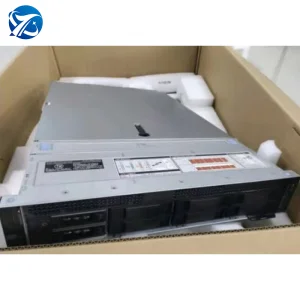
Our logistics division prepares servers for transit using anti-static packaging, form-fitting internal foam inserts, and reinforced shipping crates. This specialized packaging protects delicate internal components, such as high-density CPU pins and PCIe channels, from damage during transit.
Answering technical, logistical, and configuration questions from system administrators, engineers, and purchasing managers.
Browse our selection of server memory modules, custom rack-mount systems, and high-performance server components.