NexoraGPU
NexoraGPU
NexoraGPU
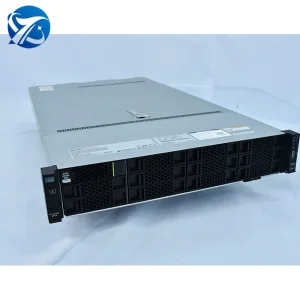
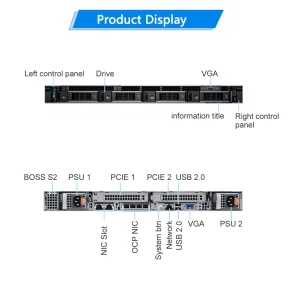
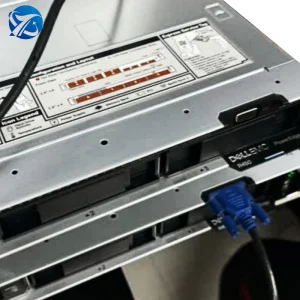
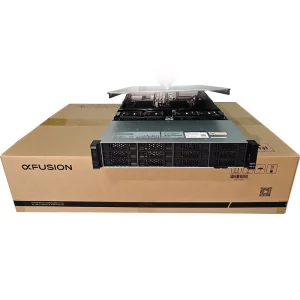
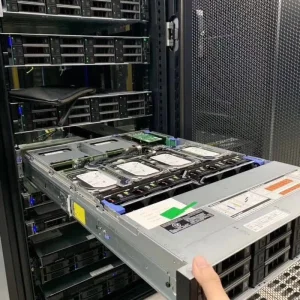
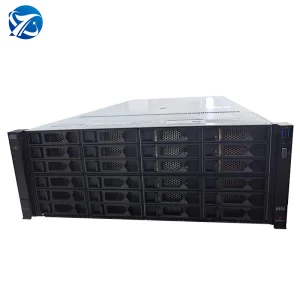
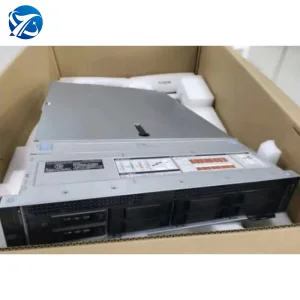
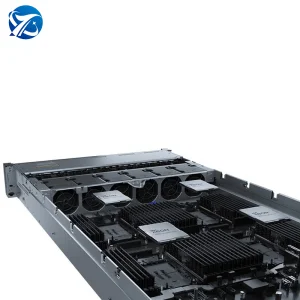
In the modern hyper-scale data center, space conservation, operational efficiency, and thermal dynamics dictate profitability. Traditional rackmount infrastructure, while reliable, incurs significant overhead due to individual power supply units, disparate management planes, and redundant cabling. Blade Server Technology resolves these structural challenges by consolidating processing nodes within a shared, high-density chassis. By sharing power, cooling, network backplanes, and management modules, blade architectures reduce data center footprints while boosting computational density.
As enterprise workloads transition from traditional databases to dense artificial intelligence (AI) inference, Large Language Model (LLM) training, and massive analytics, blade configurations have evolved. Standard processing blades now integrate high-speed PCIe Gen 5 fabrics, high-bandwidth memory (HBM), and specialized AI acceleration units (GPUs/NPUs). For procurement directors and data center architects, understanding the architectural nuances of blade solutions is critical to achieving a low Power Usage Effectiveness (PUE) and long-term investment protection.
China has evolved from an electronics assembler into the primary hub for advanced computing research, component sourcing, and systems design. For global enterprises looking to purchase blade servers, partners in China—particularly within the Pearl River Delta (Shenzhen-Dongguan axis)—offer distinct advantages in speed-to-market, custom designs, and component sourcing.
Nexora Intelligent Technology Co., Ltd. (NexoraGPU) leverages this integrated supply chain to deliver high-performance GPU and blade servers globally. With access to over 1,250 certified supply chain partners, we source raw PCBs, high-density backplanes, copper heat pipes, dynamic power distribution units (PDUs), and specialized chassis components without shipping delays. This close proximity allows us to prototype, test, and ship complete systems much faster than competitors outside of China.
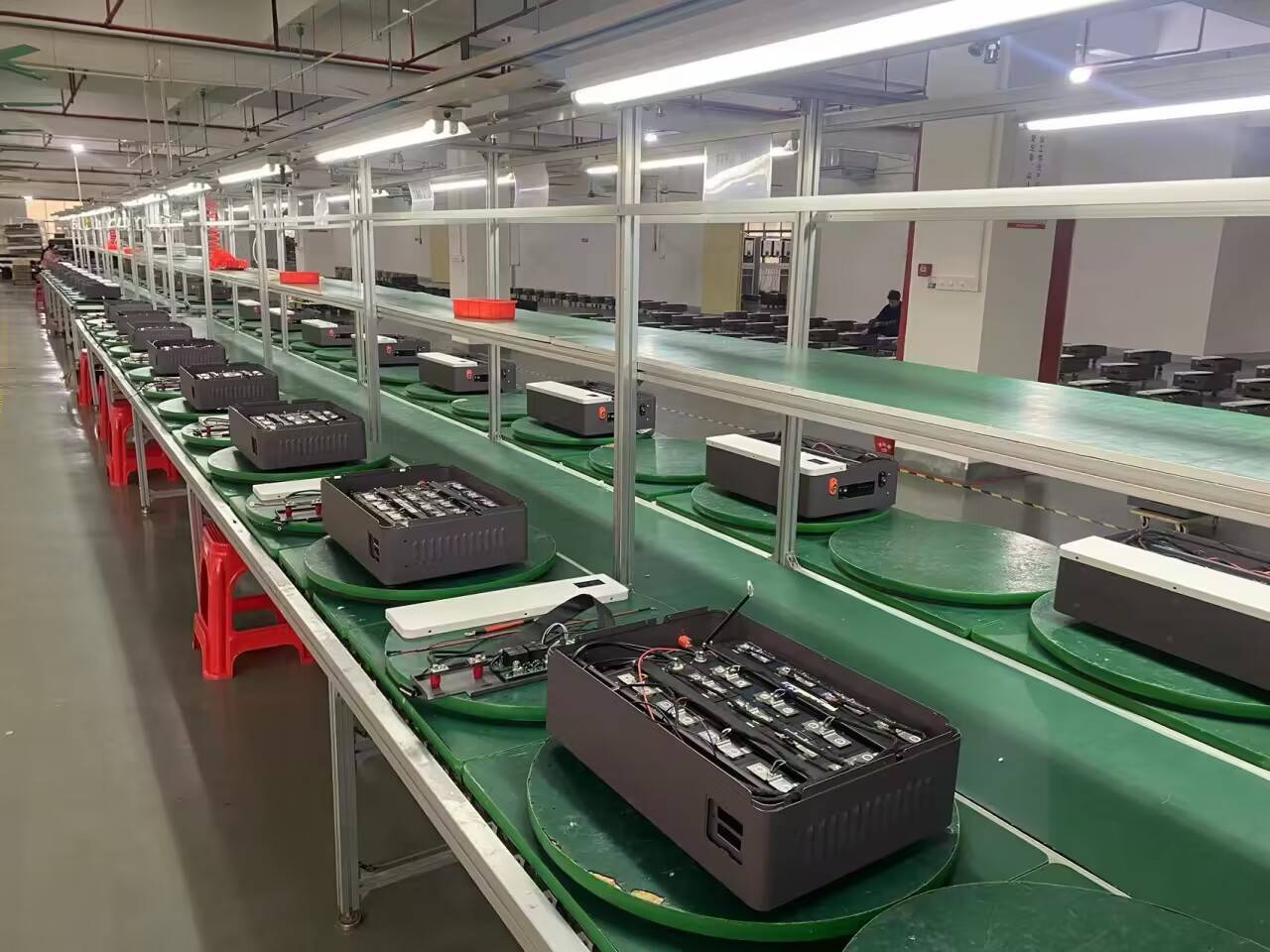
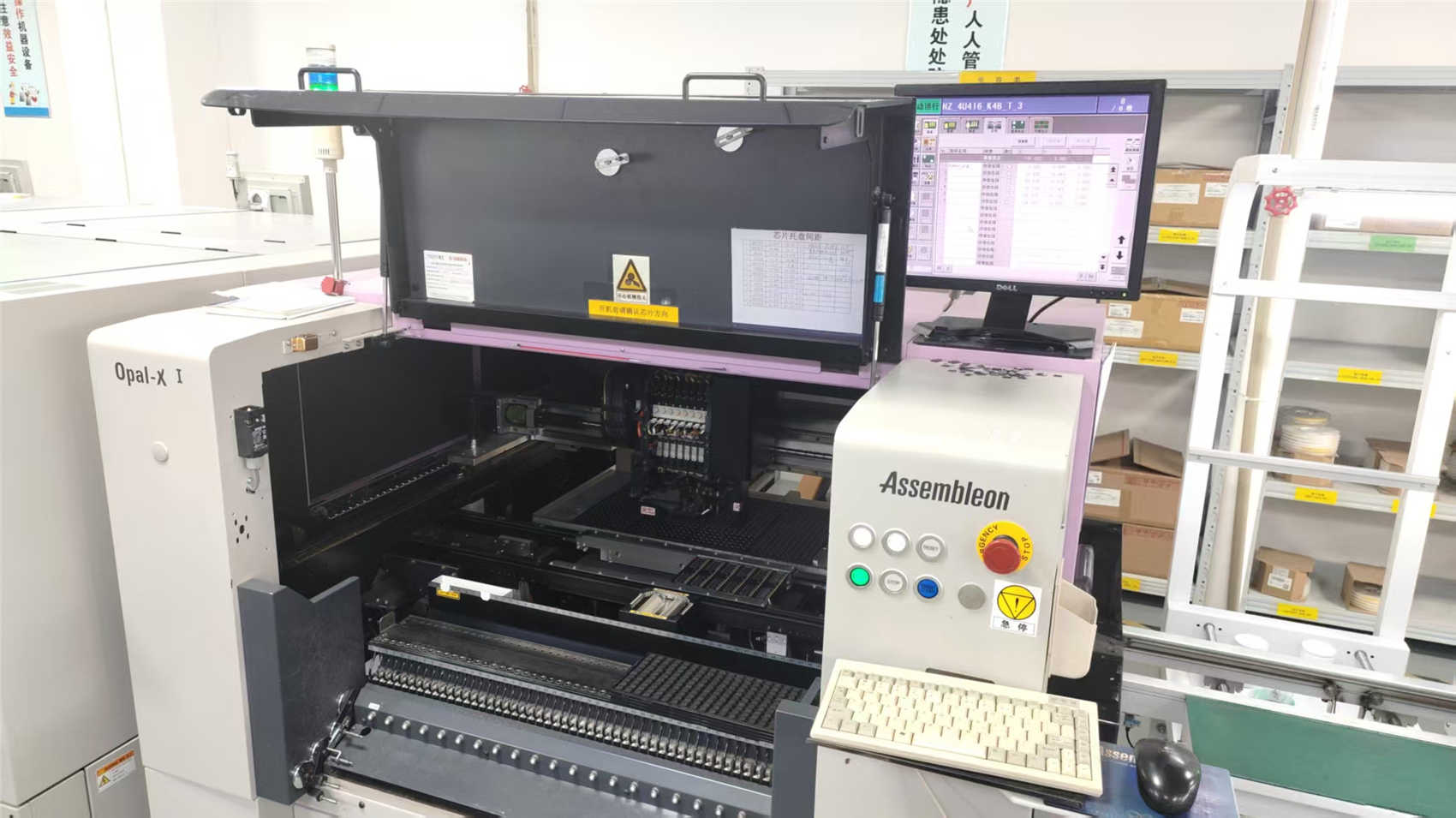
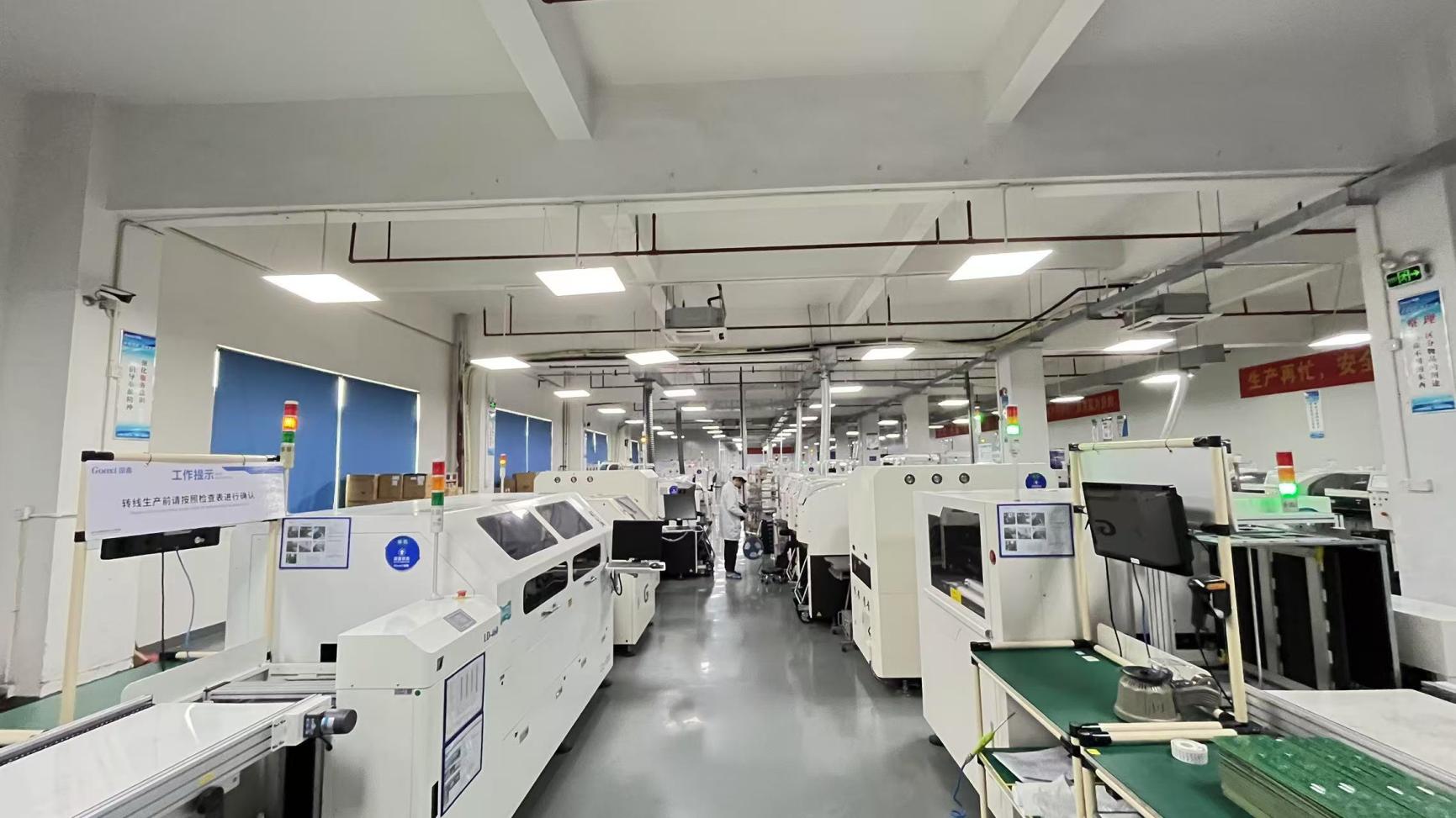
Furthermore, Chinese manufacturing advantages extend beyond raw material access to advanced automated production. Our facilities feature automated SMT lines, high-precision thermal profiling tools, and specialized testing environments. This structural efficiency translates to lower capital expenditure (CAPEX) for global buyers, allowing organizations to allocate budget to high-value silicon, such as Intel Xeon Scalable Processors, AMD EPYC platforms, and high-performance NVIDIA or domestic AI GPUs.
| Production Metric | Traditional Global Manufacturing | NexoraGPU China Integrated Ecosystem |
|---|---|---|
| Prototyping Cycle | 6 - 12 Weeks (Distributed components) | 2 - 3 Weeks (Localized sourcing & R&D) |
| Supply Chain Partners | Fragile, multi-national logistics dependencies | Over 1,250 direct partners within a 50km radius |
| OEM/ODM Customization Cost | High tooling fees; rigid minimum order sizes | Flexible architectural design, cost-effective tooling |
| Quality Control Staff | Outsourced or remote inspection models | 42 in-house QC personnel, 100% full-functional testing |
Server technology is changing rapidly, driven by AI computing demands, high-speed storage requirements, and strict carbon emission regulations. Five primary trends shape the future of high-density blade architecture:
With processor thermal design power (TDP) exceeding 350W for CPUs and 700W for GPUs, air cooling is hitting its physical limits. Next-gen blade systems feature integrated liquid loop connectors that interface directly with facility water systems to lower cooling energy costs.
Data transfer limits are minimised by PCIe Gen 5.0, offering up to 128 GB/s bandwidth. Compute Express Link (CXL) enables memory sharing between CPUs and accelerators, allowing blades to dynamically share memory pools and reduce latency.
Modern blades are no longer CPU-only. Designers now pack multi-GPU arrays into specialized blade form factors to run high-performance AI inference, neural network training, and models like DeepSeek in space-constrained data centers.
Additionally, software-defined infrastructure manages these dense physical setups. Hardware-agnostic management controllers, utilizing standard Redfish APIs and IPMI 2.0, allow operators to monitor blade health, temperatures, fan speeds, and power usage from a single dashboard. This level of automation is essential for cloud providers running thousands of nodes across multiple regions.
Different industries require tailored configurations of blade server technology. By using modular chassis layouts, organizations can deploy node configurations optimized for their specific computational tasks.
Requires low-latency networking and high single-core processor speeds. Blade systems with direct fiber connections minimize transmission delays, enabling real-time algorithmic trades.
For edge installations, space and ruggedness are key. Shallow-depth blade chassis fit inside standard telecom cabinets, enabling localized data processing for 5G network traffic.
Deploying DeepSeek or other generative models requires high GPU density and fast memory throughput. Accelerating these clusters uses specialized GPU blades running over high-bandwidth backplanes.
National research labs and universities deploy dense blade nodes for climate modeling, structural analysis, and genomic sequencing, utilizing direct liquid cooling to sustain peak CPU workloads.
When sourcing blade hardware, buyers must evaluate more than just upfront unit costs. True cost efficiency depends on structural factors: (1) Backplane capacity (is it ready for PCIe Gen 6/CXL?), (2) Power supply efficiency (80 Plus Titanium certification is standard for minimizing conversion loss), (3) Management licensing costs, and (4) The manufacturer's custom configuration capabilities.
Founded in 2017, Nexora Intelligent Technology Co., Ltd. (Brand: NexoraGPU) is a specialized manufacturer of high-performance GPU servers, AI computing systems, HPC clusters, and customized data center solutions. Based in China, we manage a modern production facility designed for custom assembly, system validation, and rigorous thermal testing.
With 9 years of industry experience and 6 years of export history, we have built a reputation in the global high-performance computing market. Our annual export revenue exceeds US$18 million, serving customers across North America, Europe, Southeast Asia, the Middle East, and South America.
Quality assurance is central to our production. Our quality control system is managed by 42 professional quality control personnel. Every blade server and GPU system undergoes testing before shipment, including:
NexoraGPU operates as an OEM & ODM manufacturer with direct export capabilities. Supported by our network of over 1,250 supply chain partners, we can source, build, and scale customized server configurations to fit specific B2B project budgets.
Innovation drives our engineering. Our R&D department includes 128 experienced engineers specializing in server architecture, thermal management, hardware optimization, and custom firmware design. In the past year alone, we introduced 86 new products, supporting emerging technologies like GPU-accelerated computing and dense storage solutions.

Rackmount servers are self-contained systems with their own power supply units (PSUs), cooling fans, and network connections, designed to operate independently in a standard rack. Blade servers, by contrast, are thin compute cards that slide into a shared chassis. The chassis houses the shared power supply, cooling infrastructure, and network switches. This consolidation saves space, simplifies cabling, and uses less energy per compute node.
Yes. Our R&D team of 128 engineers specializes in customization. We offer ODM and OEM services to tailor blade configurations with specific GPU accelerators, PCIe Gen 5 configurations, direct liquid-cooling blocks, and customized BIOS/firmware, matching the demands of large language model (LLM) training and inference.
We have 42 quality control staff who manage our testing protocol. Every server undergoes full-load stress testing, thermal cycling, and hardware compatibility checks for at least 48 hours. This process ensures hardware and software components operate reliably before shipment to clients in North America, Europe, or other regions.
Lead times depend on the complexity of the customization. Standard configurations can ship within 2 to 3 weeks due to our on-site component stock and partner network of 1,250 suppliers. Fully customized chassis designs or unusual GPU configurations typically take 4 to 8 weeks, including prototype validation and quality testing.
Yes, our servers support IPMI 2.0 and Redfish standards. They integrate with common infrastructure software like Kubernetes, OpenStack, VMware vSphere, Proxmox, and Ansible, allowing administrators to automate management and deployments.