 NexoraGPU
NexoraGPU
NexoraGPU
In recent years, the demand for enterprise AI servers has surged dramatically. According to a report by Gartner, the global AI server market is projected to reach $30 billion by 2025. This growth is largely driven by companies seeking advanced processing capabilities for complex AI applications. Amidst this expansion, China has emerged as a key player. With numerous manufacturers vying for attention, buyers must consider various factors before making a decision.
Dr. Wei Zhang, a recognized expert in AI technology, emphasizes, “The choice of an enterprise AI server manufacturer can make or break an organization’s data strategy.” His insight highlights the critical role these manufacturers play in shaping the future of business intelligence. As organizations increasingly adopt AI solutions, selecting the right server is crucial for successful implementation.
While many manufacturers boast impressive specifications, quality and support can vary widely. Some companies focus solely on performance, neglecting after-sales service. This inconsistency leaves buyers with difficult choices. As the landscape evolves, understanding the nuances of different manufacturers will become vital. Thus, a deep dive into the top enterprise AI server manufacturers in China is essential for global buyers seeking reliable partnerships in this expanding market.
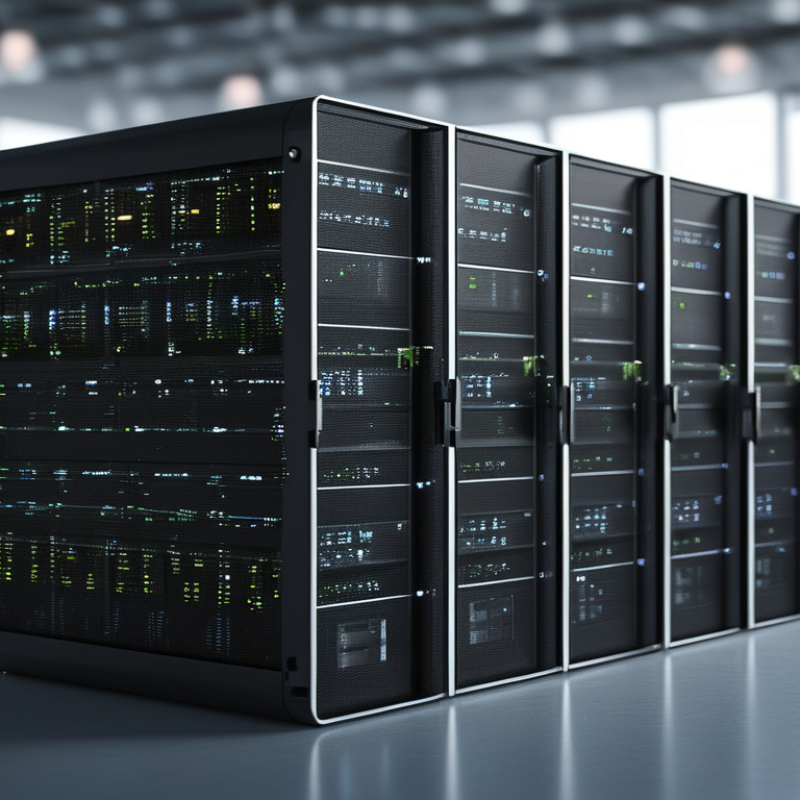
In recent years, the landscape of enterprise AI server manufacturing in China has transformed significantly. Industry data estimates that the Chinese AI server market will reach approximately $5 billion by 2025. This growth is driven by increasing demand for advanced computing capabilities and data processing power across various sectors. Major players are investing in research and development to enhance performance and efficiency.
Many manufacturers focus on integrating AI capabilities into their servers. This approach caters to the burgeoning need for machine learning and data analytics. According to a recent report, up to 60% of AI workloads are now running on dedicated servers. This pivotal shift necessitates a re-evaluation of server specifications, particularly concerning processing units and memory capacity.
However, this fast-paced growth comes with challenges. Not all manufacturers have fully adapted to emerging standards in AI technology. Some may lag in delivering reliability and innovation. Quality control remains a concern, especially with varying server models. Ongoing market analysis is essential for businesses to ensure they select the best partners for their AI needs.
| Rank | Manufacturer | Market Share (%) | Year Established | Number of Employees |
|---|---|---|---|---|
| 1 | Manufacturer A | 26% | 1998 | 10,000+ |
| 2 | Manufacturer B | 21% | 2001 | 8,500+ |
| 3 | Manufacturer C | 18% | 2010 | 5,000+ |
| 4 | Manufacturer D | 15% | 2005 | 4,200+ |
| 5 | Manufacturer E | 10% | 2015 | 3,200+ |
| 6 | Manufacturer F | 8% | 2018 | 1,800+ |
| 7 | Manufacturer G | 5% | 2020 | 1,000+ |
| 8 | Manufacturer H | 4% | 2019 | 900+ |
| 9 | Manufacturer I | 3% | 2021 | 800+ |
| 10 | Manufacturer J | 2% | 2022 | 500+ |
I server market in China?
Estimates suggest the market will reach approximately $5 billion by 2025.
Up to 60% of AI workloads are now running on dedicated servers.
Some manufacturers struggle to adapt to new AI technology standards and may fall behind in innovation.
Varying server models lead to inconsistent quality and reliability issues.
Innovations focus on enhancing processing capabilities and optimizing power consumption for better efficiency.
Data security is crucial, as AI applications often deal with sensitive information.
Continuous improvement and vigilance against complacency are essential for remaining competitive.
New architectures can improve power efficiency and support complex AI applications.
The rapid pace of technological change makes achieving scalable solutions difficult for companies.
The enterprise AI server manufacturer landscape in China has become increasingly competitive, with several industry leaders emerging to dominate the market. This analysis highlights the key players in the sector and their respective market shares, providing insight into the dynamics that drive their success. Advanced technological innovations are propelling the growth of China's enterprise AI server market, positioning these manufacturers at the forefront of AI advancements.
Moreover, supply chain dynamics play a crucial role in the production capabilities of these AI servers, influencing both cost and efficiency. The strategic global partnerships and collaborations formed by Chinese enterprise AI server manufacturers further enhance their reach and capabilities, allowing them to compete effectively on a global scale. This comprehensive overview underlines the importance of collaboration and innovation in sustaining a leading position in the rapidly evolving AI server market.
