In today's rapidly evolving technological landscape, selecting the right AI server hardware manufacturer is crucial for businesses aiming for competitive advantage. According to a recent market report by Gartner, the global AI hardware market is projected to reach $40 billion by 2026. This underscores the growing importance of robust hardware solutions designed to power AI applications effectively.
The choice of an AI server hardware manufacturer impacts not just performance but also long-term reliability. Industry leaders emphasize that not all manufacturers are created equal. Some may offer cutting-edge technology but falter on customer support and service reliability. Reports indicate that 30% of enterprises faced challenges during deployment due to inadequate hardware choices, pointing to the necessity of thorough research.
Potential buyers must assess various factors, such as compatibility, scalability, and cost. Each manufacturer has its strengths and weaknesses, and making a hasty decision could lead to future regrets. As the market continues to mature, understanding the nuances of each manufacturer's offerings is fundamental. A thoughtful approach will ensure businesses select the best AI server hardware manufacturer to meet their specific needs.
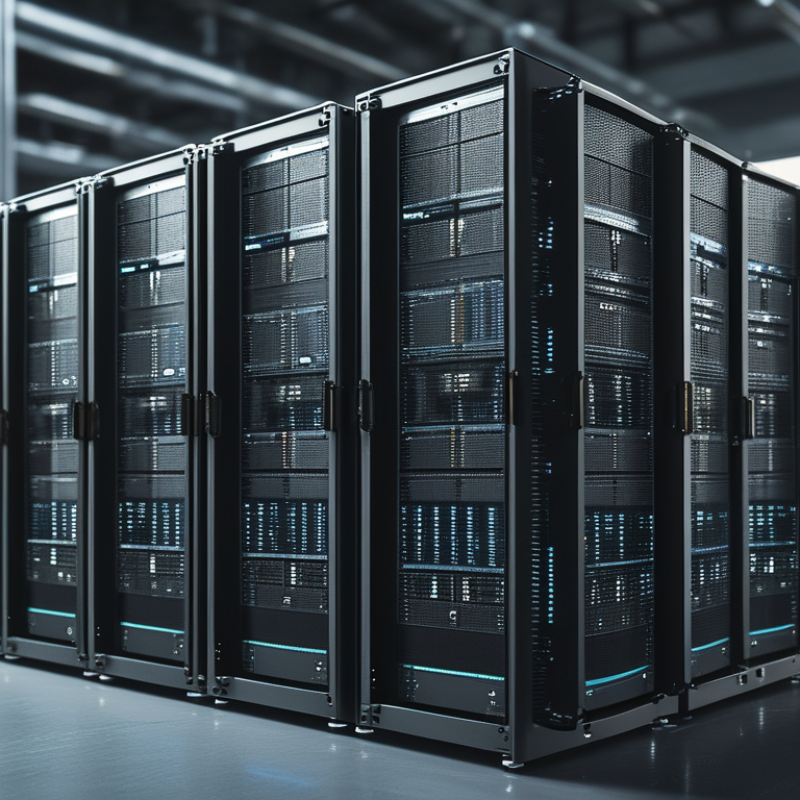
Overview of AI Server Hardware Manufacturing Industry
The AI server hardware manufacturing industry is rapidly evolving. This market plays a crucial role in powering artificial intelligence applications. While many manufacturers offer a variety of products, not all are created equal. Buyers need a keen understanding of their specific requirements and the technology landscape.
When selecting AI server hardware, consider the architecture that best fits your needs. Different workloads demand unique configurations. High-performance GPUs are often essential for deep learning tasks. However, they can lead to increased energy consumption. Balancing performance with energy efficiency is a significant consideration.
Tips: Always compare specifications and performance benchmarks before making a purchase. Test samples if possible. Keep in mind that the latest technology may not always be necessary for your applications. Sometimes, older models can be a more cost-effective option while still meeting your requirements. Remember, the right choice will depend on your specific use cases and budget constraints.
Key Factors Influencing AI Server Hardware Performance
The performance of AI server hardware hinges on several critical factors.
Processing power is paramount.
The speed and efficiency of CPUs and GPUs directly impact computational tasks.
According to the latest industry report, high-performance AI servers can achieve over
300 teraflops in processing capabilities.
This staggering power allows them to handle complex algorithms and large datasets effectively.
Thermal management also plays a vital role in performance. Inefficient cooling solutions can lead to
system throttling, reducing processing power by up to 30%.
Effective thermal solutions ensure that hardware operates within optimal temperature ranges. This enhances longevity
and reliability, reducing maintenance costs in the long run.
Tip: When selecting AI server hardware, prioritize models known for thermal efficiency.
Power supply quality is another essential factor. Fluctuations in power can destabilize operations,
leading to potential system failures. Consistent and reliable power supply systems can mitigate these risks.
A robust power management strategy enhances performance consistency across various workloads.
Tip: Always invest in uninterruptible power supply systems for critical AI applications.
Discrepancies in hardware specifications can lead to unanticipated bottlenecks. Buyers must analyze
components thoroughly. Not all high specifications translate to better performance. Rigorously assessing
compatibility and efficiency could save significant time and resources.
Top Global Manufacturers of AI Server Hardware in 2026
As we move into 2026, the demand for AI server hardware continues to rise globally. Many companies are investing heavily in their AI infrastructure. This shift requires innovative solutions in hardware design and engineering. Machine learning and data processing are increasingly reliant on powerful servers to function effectively. The best manufacturers understand this need and prioritize performance.
In this competitive landscape, choosing the right server hardware can be complex. Global manufacturers are striving to enhance efficiency while reducing costs. Some focus on energy-saving designs, acknowledging environmental impacts. Others emphasize speed and processing power. It's essential to assess specific requirements before selecting hardware. Relying only on well-known names may not always bring the best results.
Conversely, there are notable gaps in available options. Many emerging players struggle to match the established giants in credibility or performance. While some manufacturers promote cutting-edge features, their reliability may be unproven. Buyers must approach these offerings with caution. Balancing innovation and dependability will be crucial when sourcing AI server hardware in the coming year.
2026 AI Server Hardware Market Share
Comparison of Leading AI Server Hardware Features and Specifications
When selecting AI server hardware, understanding the features and specifications is crucial. Key components include processing power, memory capacity, and speed. Many manufacturers focus on high-performance GPUs, which enhance machine learning tasks. A server's architecture can significantly impact efficiency. Opt for designs that minimize bottlenecks.
Tips: Consider your specific workloads. Not every AI application requires top-tier specifications. Sometimes, a mid-range option suffices. Additionally, evaluate energy consumption; efficiency often drives long-term savings.
Cooling systems are also vital. Effective cooling prolongs hardware life and maintains peak performance. Some designs incorporate liquid cooling for optimal heat management. This feature may seem complex, but it can be a game-changer in demanding environments.
Finally, think about support and updates. Manufacturers with a history of reliability often provide better after-sales experience. Research their customer feedback and service levels before making a decision. These factors can prevent future challenges and ensure smooth operation.
Future Trends in AI Server Hardware Development and Innovation
The evolution of AI server hardware is already shaping our digital future. Emerging technologies are pushing the boundaries of server capabilities. High-performance computing (HPC) and energy efficiency are two critical focuses for development. Manufacturers are integrating advanced cooling systems to manage heat. As data demands surge, innovative designs are essential for ensuring longevity and reliability.
Tips: Consider power consumption when selecting hardware. Efficiency can lead to significant cost savings. Future trends also include modular designs for scalability. This allows users to adapt to rapid changes in data processing needs. Look for servers that support varied workloads. Versatile configurations can enhance operational flexibility.
AI hardware must evolve with advancements in algorithms and machine learning models. The shift toward edge computing necessitates smaller, more efficient servers. There’s a growing need to balance performance with sustainability. Innovations like specialized chips are becoming essential for optimizing tasks. While these developments promise great potential, ongoing research is crucial. Challenges in manufacturing and costs remain significant hurdles to overcome.
Conclusion
The article titled "2026 Best AI Server Hardware Manufacturers for Global Buyers" provides a comprehensive overview of the AI server hardware manufacturing industry. It explores the key factors influencing the performance of AI server hardware, including processing power, energy efficiency, and scalability, essential for meeting the demands of advanced AI applications. The piece highlights the top global manufacturers projected to dominate the market in 2026, discussing their innovative features and specifications that set them apart.
Moreover, the article delves into the future trends in AI server hardware development and innovation, emphasizing the increasing importance of AI capabilities in various sectors. As the demand for high-performance hardware continues to grow, understanding the landscape of AI server hardware manufacturers will be crucial for buyers seeking optimal solutions for their technological needs.
 NexoraGPU
